
Yes. PVC spouting and downpipes take a good-quality exterior acrylic without much fuss, as long as the plastic is properly cleaned first, you choose a light colour, and you keep solvent-based paint well away from it.
When paint peels off plastic spouting, the cause is nearly always one of those three things being skipped, not the plastic being unpaintable.
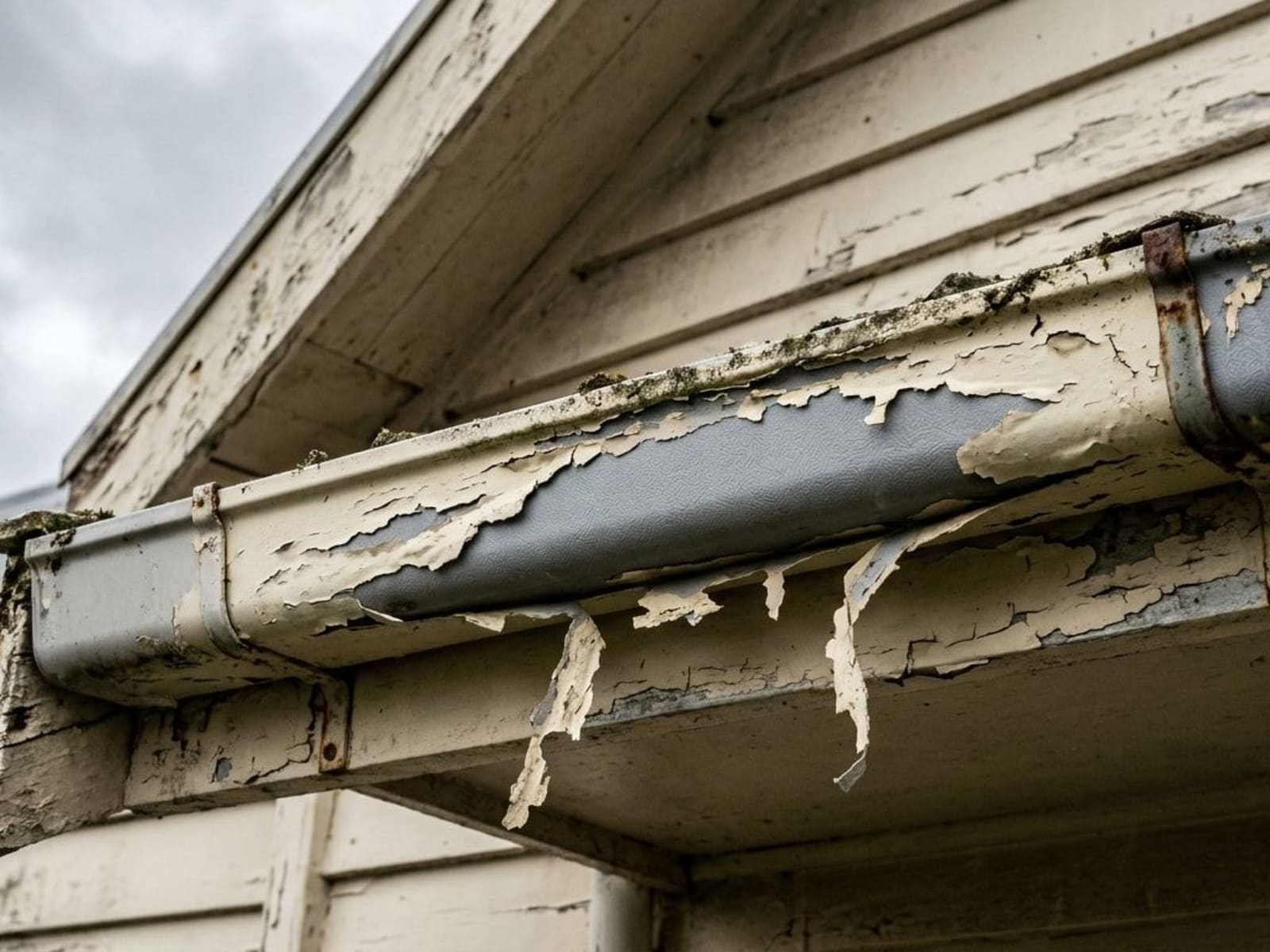
Why does paint peel off plastic spouting?
There are two usual culprits, and they depend on the age of the spouting.
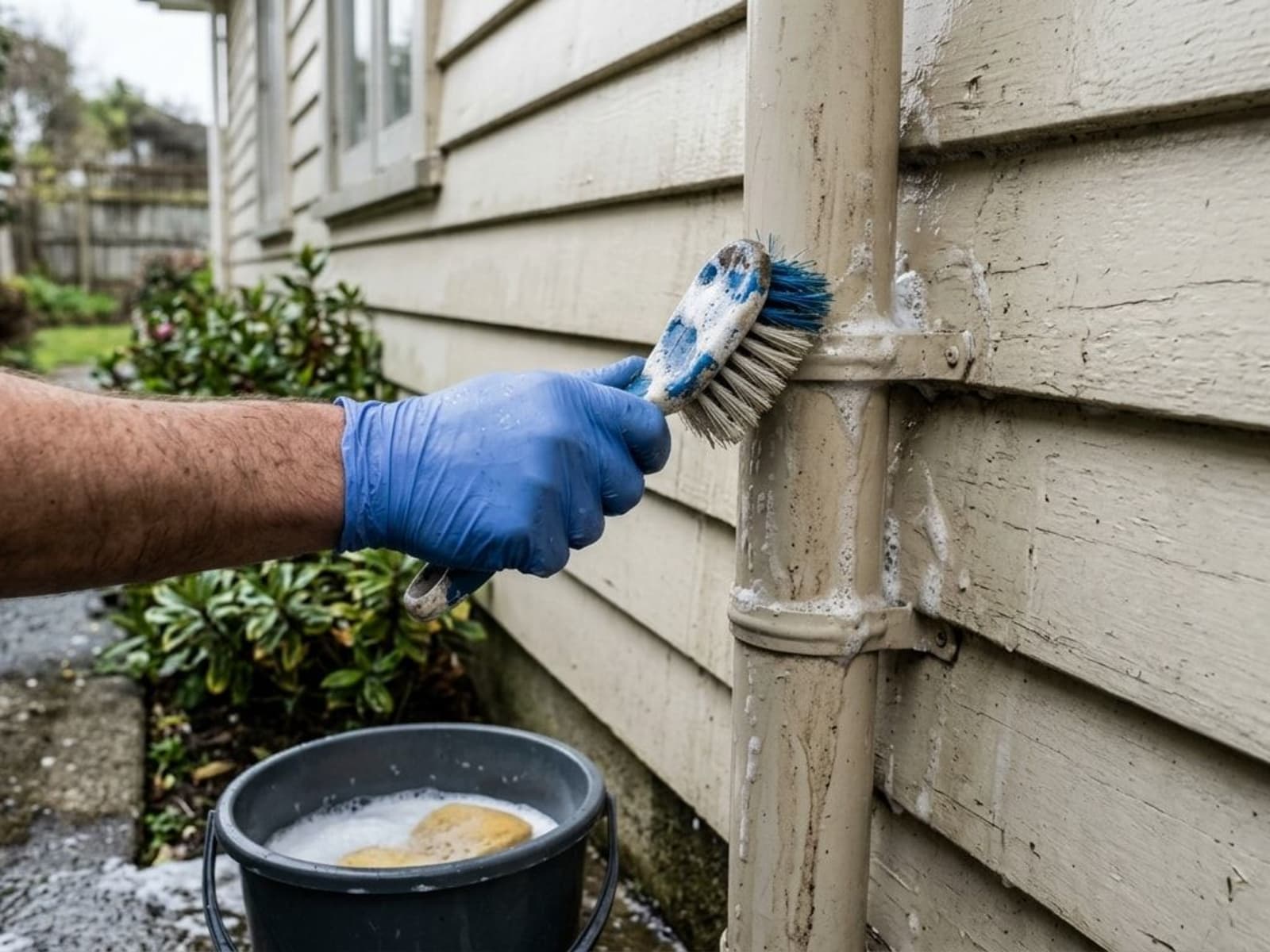
New PVC comes with a film on it. Resene's surface preparation guide for PVC notes that new spouting and downpipes generally carry form oils, plus dirt and grease from the fixing process, all of which need removing before painting. Paint over that film has nothing sound to hold, and it lets go in sheets.
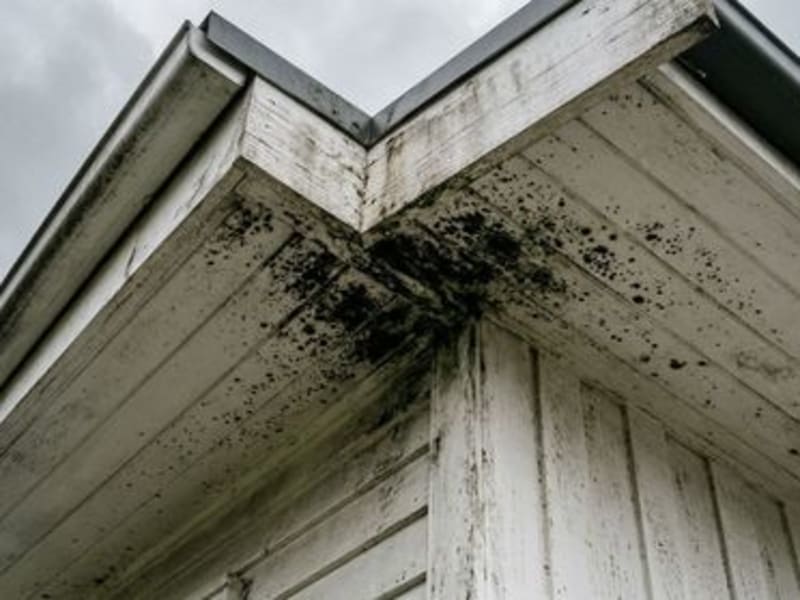
Old unpainted PVC has the opposite problem. Sun breaks the surface down. Resene lists chalking, surface degradation and embrittlement as the result of UV damage, worst on high-exposure elevations, and usually with moss and mould on top. Paint applied over a chalky surface is bonded to powder, not to plastic.
The third cause is movement. Resene describes PVC as prone to movement, shrinkage and expansion. A dark coating makes that worse, because it absorbs more heat. Paint that cannot follow the plastic tends to crack at joints and lift at the ends.
Do you need a primer on PVC?
The two manufacturers involved word this differently, which is why people get confused.
Resene's guidance is that a primer is not required on PVC spouting and downpipes if the surface is correctly prepared and their recommended topcoats are used. Marley's installation guide suggests cleaning with methylated spirits, then a mineral-based undercoat and two coats of fully weatherable acrylic, or following the paint supplier's instructions for PVC.
Both are reasonable. The practical answer is to pick one paint system and follow that paint maker's instructions all the way through, rather than mixing advice from two sources. What both agree on is that the preparation matters more than the product.
What preparation does each type of spouting need?
Resene's preparation guide splits PVC into three situations, and the work involved is quite different in each.
| Spouting condition | Main problem | Preparation before painting |
|---|---|---|
| New PVC, never painted | Form oils and grease from installation | Thorough scrub with a paint prep and house wash solution to remove contaminants |
| Old PVC, never painted | UV chalking, brittleness, moss and mould | Moss and mould treatment, then a thorough scrub to remove all chalking and residue |
| Previously painted PVC | Chalking old paint, possibly failing coating | Moss and mould treatment and wash; if the old paint is failing, scrape and sand loose paint back to a feathered edge |
The simple test is to wipe a clean dry finger along the plastic after washing. If it still comes away chalky, the washing is not finished.
Why should you stick to light colours on plastic?
Because dark colours make the plastic move more. Resene strongly recommends light colours on PVC and warns that dark colours in exposed areas can lead to extension, shrinkage and warping of the spouting. Where a dark colour is chosen anyway, they say their Cool Colour technology should be specified if it is available for that colour.
Marley makes a related point from the installation side: spouting can be painted any colour, but dark colours need extra allowance for expansion and contraction. That allowance is set when the spouting goes up. On an existing house you rarely know what the installer allowed, which is one more reason to be cautious about taking old grey spouting to charcoal or black on a sunny wall. Our article on dark colours and heat covers the same issue on timber.
If you want spouting to disappear against a dark house, a mid-tone that is close to the wall colour usually does the job without the risk.
What paint should never go on PVC?
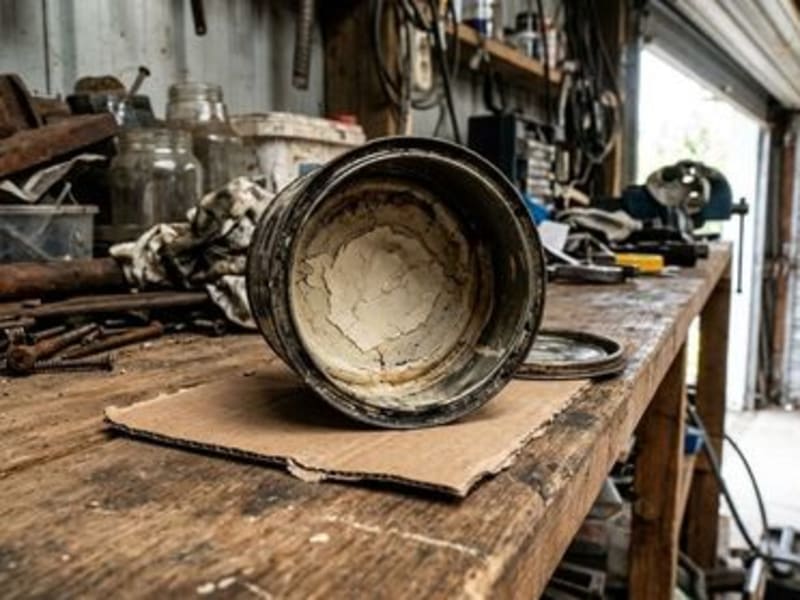
Solvent-based paint. Resene's guidance is that solvent-based paints should be avoided on PVC because they can damage the plastic. That rules out the old tin of oil-based enamel in the garage. Use a waterborne exterior acrylic, usually the same one going on the fascia or walls.
Two smaller points from Marley's guide are worth following. Do not paint the inside of the spouting or the internal brackets. And paint the ends of the gutter where they sit inside an expansion outlet, so that when the spouting contracts in cold weather it does not show a bare stripe of original colour.
Is it worth painting, or should the spouting be replaced?
Painting is worth it when the spouting is sound: straight, not cracked, not sagging between brackets, and draining properly. Paint changes the colour and protects the surface. It does not fix spouting that holds water, leaks at joints or has gone brittle enough to crack when you lean a ladder on it. If a length snaps or splits while you are cleaning it, that section needs replacing, and there is no point painting it first.
Downpipes at ground-floor level are a very reasonable DIY job. Spouting is a different matter, because nearly all the work is done off a ladder at the roofline, often above a steep drop on a Wellington section. On a two-storey house it is scaffolding work; our piece on scaffolding or ladders explains where that line usually falls.
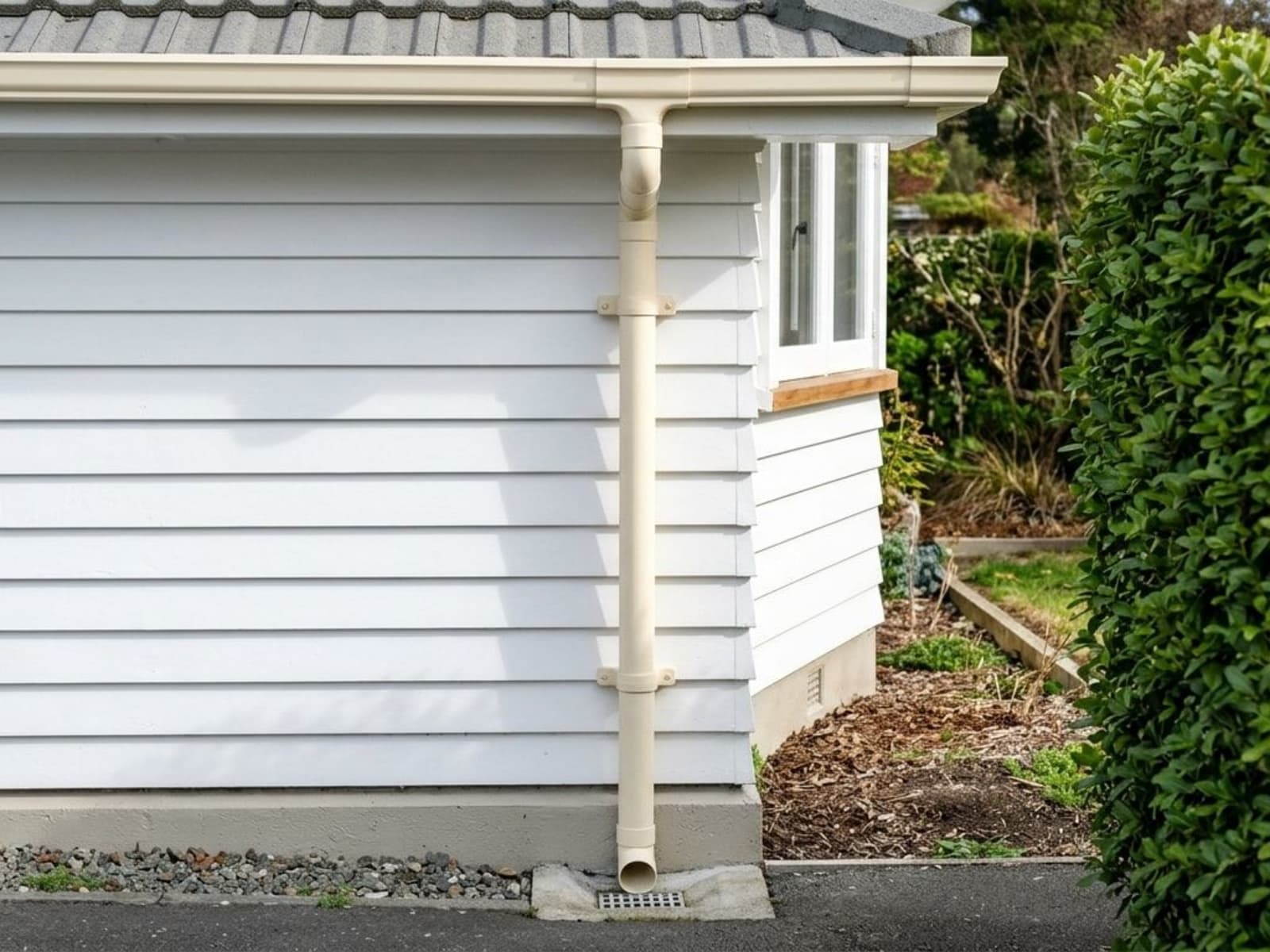
Spouting is usually painted as part of the fascia and trim, and our guide to gutter and fascia painting covers the rest of that job.
If you would rather have it done alongside the rest of the house, ask us for a quote.
Related Articles

Need Help With Your Painting Project?
Wellington Decorators has been transforming homes across the Wellington region since 2023, led by a founder with 18+ years in the trade. As Registered Master Painters, we back every job with a 5-year workmanship guarantee.
Prefer to talk? Call us now 027 458 6465