
Plastering & GIB Stopping
Professional plastering and GIB stopping services for a smooth, flawless finish ready for painting.
- ✓ New GIB Installation
- ✓ GIB Stopping & Finishing
- ✓ Wall Repairs & Patching
- ✓ Crack & Hole Repairs
- ✓ Free Consultation & Quote
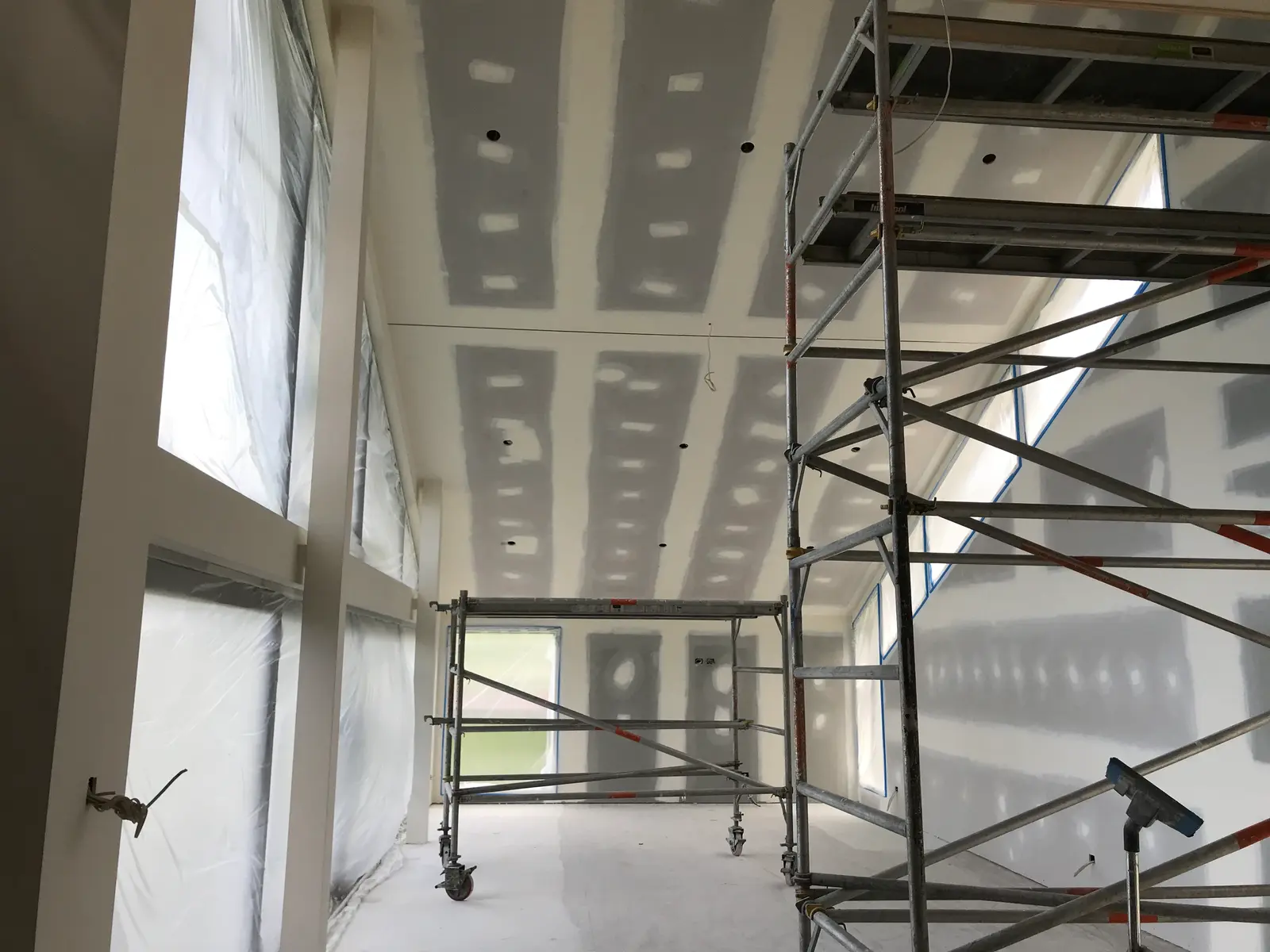
Wellington Decorators offers professional plastering and GIB stopping services throughout Wellington. From new GIB installation to wall repairs, crack filling, and smooth finishing, our skilled team ensures surfaces are perfectly prepared for painting. As Registered Master Painters, we deliver high-quality plaster finishes backed by our workmanship guarantee.
What We Offer
Complete plastering and finishing services for any project.
Why Choose Our Plastering Services
Paint doesn't hide bad walls — it advertises them. Wellington's housing stock makes this worse than most places: century-old villas in Newtown and Berhampore with cracked lath-and-plaster, 1970s Gib that's popped its nails after decades of small quakes, and new builds where the stopper was rushed and every joint shows up the first sunny afternoon. Low winter sun raking across a wall is brutal at exposing joints, screw pops, and patch marks.
Most of the plastering work we do in Wellington is fixing exactly that: settlement cracks above door frames, water-damaged ceilings, and joints that were stopped in two coats when they needed three. We build coats up properly, sand between every layer, and check the finished surface under raking light — the same light that will find the flaws once the room is painted.
Our Commitment to Quality
As Registered Master Painters and Resene Eco Decorators, we stand behind every plastering job with our 5-Year Workmanship Guarantee. Our team uses premium stopping compounds and quality tools to ensure a durable, long-lasting finish. We set realistic timelines and always honour our commitments. If any issues arise after completion that are caused by our workmanship, we provide a free touch-up service. We work across Wellington, Lower Hutt, Upper Hutt, Porirua, and the Kapiti Coast.
Our Plastering & GIB Stopping Process
We follow a systematic process to deliver smooth, paint-ready surfaces every time:
- Assessment: We inspect all wall and ceiling surfaces to identify cracks, holes, uneven joints, damaged GIB, or areas that need repair before stopping can begin.
- GIB Installation (if required): For renovations or new rooms, we install new GIB board to manufacturer specifications, with correct fixing and spacing.
- First Coat Stopping: All GIB joints, screw holes, and corner beads receive a first coat of quality stopping compound. This base layer fills the major gaps and establishes the foundation.
- Sanding: Once dry, surfaces are sanded smooth to remove ridges and high spots. We sand between every coat — skip it and the joints telegraph through the paint.
- Second Coat Stopping: A wider second coat feathers the joints outward so they disappear into the surrounding board. Additional coats are applied to internal and external corners.
- Final Sand & Inspection: A light final sand ensures all surfaces are perfectly smooth. We inspect under strong lighting to catch any imperfections before priming.
- Priming: A quality sealer or primer is applied to create a uniform surface for the topcoat paint to adhere to evenly.
Types of Plastering Work
Day to day, our plastering work across Wellington, the Hutt Valley, and Porirua looks like this:
- New GIB installation & stopping: Complete wall and ceiling lining for new builds, extensions, and renovations
- GIB stopping for renovations: Matching new work to existing wall textures and finishes
- Crack & hole repairs: Fixing settlement cracks, accidental damage, and wear over time
- Skim coating: Applying a thin plaster layer over existing surfaces for a fresh, smooth finish
- Textured finishes: Creating specific wall textures to match existing decor or achieve a desired look
- Water damage repairs: Replacing and stopping GIB affected by leaks or moisture
Finish Levels Explained
Not all plastering jobs require the same level of finish. The right level depends on the final paint type and the room's use:
- Level 4 (Standard): Suitable for most residential rooms where flat or low-sheen paint will be used. Joints are stopped, sanded, and finished to a smooth standard.
- Level 5 (Premium): Required for areas with gloss or semi-gloss paint, or where strong lighting may highlight surface imperfections. Includes a full skim coat over the entire surface for a flawless result.
We'll tell you which level your job actually needs — paying for Level 5 in a flat-paint bedroom is wasted money, but skipping it under a gloss hallway ceiling is a mistake you'll see every single day.
Related Articles
Gib Stopping Cost Wellington
Pricing guide for gib stopping and plastering in Wellington
Read Guide →Gib Stopping DIY Guide
Step-by-step guide to DIY gib stopping for Wellington homeowners
Read Guide →How to Gib Stop: DIY Plastering Guide
Detailed instructions for DIY gib stopping and plastering
Read Guide →Gib Board Price Guide
Current gib board pricing and cost information in New Zealand
Read Guide →Gib Stopping for New Builds
Professional gib stopping for new construction projects
Read Guide →Gib Stopping vs Plastering
Understanding the differences between gib stopping and plastering
Read Guide →Project: Lohia Street Plastering
Interior plastering and wall repairs project on Lohia Street, Wellington
Read Guide →Project: Reece Plumbing Commercial Plastering
Commercial plasterboard installation and finishing for Reece Plumbing showroom
Read Guide →Things to Keep in Mind
Plastering & GIB Stopping Considerations
Surface Inspection
Identify issues first
Check for cracks, holes, and uneven surfaces. All imperfections should be identified before plastering or stopping begins.
Proper Preparation
Clean surfaces first
Dust, dirt, grease, or loose material must be removed before stopping — compound won't bond to a dirty surface.
Joint Treatment
Prevent future cracking
GIB stopping requires correct taping and joint compound application to prevent future cracking or shrinkage.
Multiple Coats and Drying Time
Patience for quality
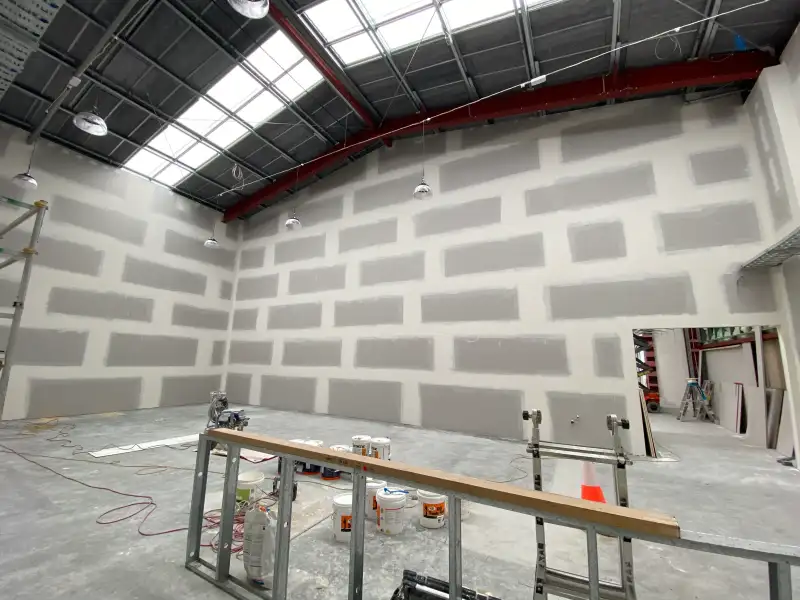
Most plastering and stopping require multiple coats, and each coat needs proper drying time — rushing it is what causes shrink-back and visible joints.
Sanding and Finishing
Achieve uniformity
Once dry, surfaces should be sanded carefully for a uniform finish ready for painting.
Moisture Control
Dry surfaces only
Ensure walls and ceilings are dry before plastering or stopping. Excess moisture can cause adhesion problems and cracking.
Quality of Materials
Right products matter
Use the right plaster or stopping compound for the surface type and expected wear — the wrong product fails early.
Timing Before Painting
Allow full cure
Fresh plaster and stopping must be fully cured before painting. Rushing this step can lead to paint adhesion failure and visible defects.
Common Questions
Find answers to frequently asked questions about our plastering services.
What is GIB stopping and why is it important?
Filling joints, screw holes, and imperfections in plasterboard to create a smooth, even surface. Without it, every joint and screw line shows through the paint.
How long does plastering or GIB stopping take?
Depends on area size and number of joints. Typically 2 to 3 coats with drying time between each.
Can you paint immediately after GIB stopping?
No. Surface must be fully dry and sanded smooth. Moisture or uneven stopping causes cracks or paint defects.
How much does GIB stopping cost in Wellington?
Standard room typically $500 to $1,500 depending on area size and finish level required.
What GIB stopping finish level do I need?
Level 4 is standard for most homes. Level 5 recommended for areas with critical lighting or gloss paint finishes.
Do you handle both new builds and renovation plastering?
Yes, new construction and renovations or repairs — we match new work to existing wall textures so you can't tell where the patch ends.
Will cracks or imperfections reappear after stopping?
Minor settling cracks can occur in new builds, but multiple coats and proper sanding minimise this. Future minor cracks are easy to repair before repainting.
What does your plastering service include?
New GIB installation, GIB stopping and finishing, wall repairs and patching, crack and hole repairs, skim coating, and textured finishes.
Explore Our Other Services
Discover our complete range of professional painting services.
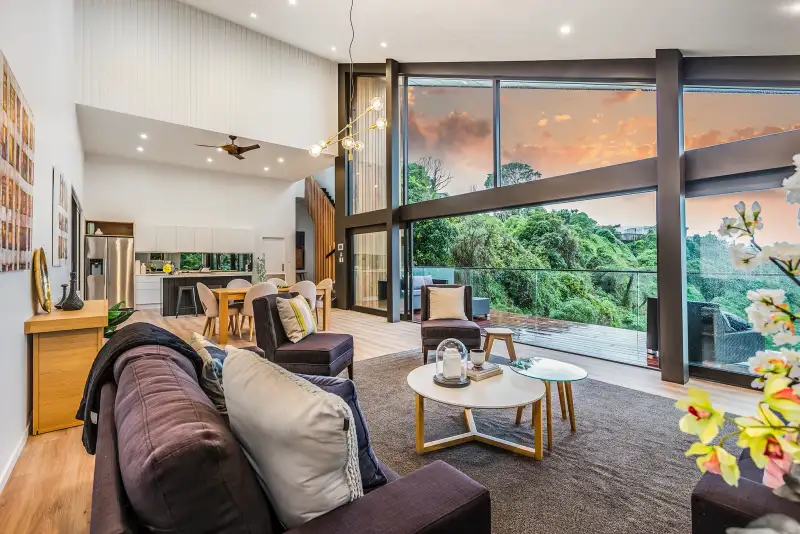
Interior House Painting
Complete your walls with a flawless finish
Learn More →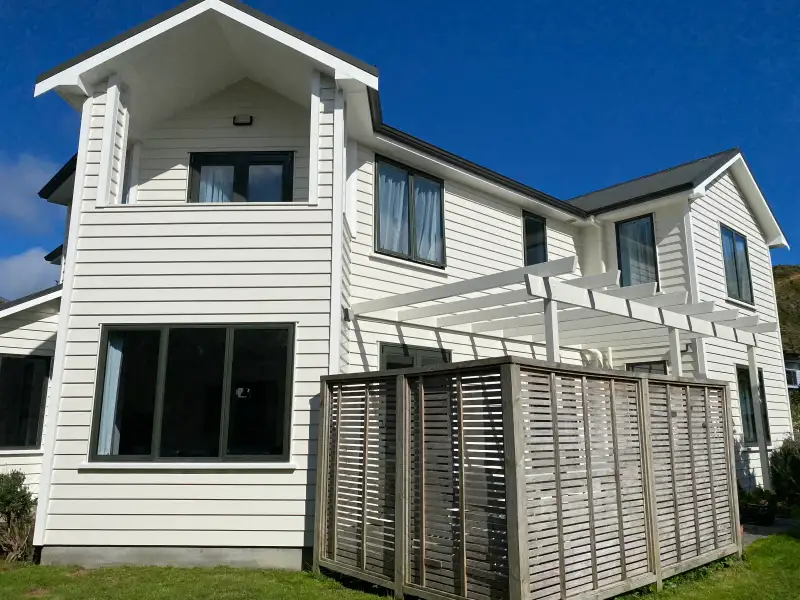
Exterior House Painting
Weatherproof protection that suits your street
Learn More →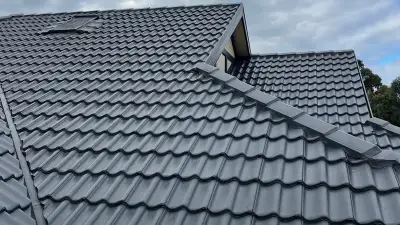
Roof Painting
Extend the life of your roof with quality coatings
Learn More →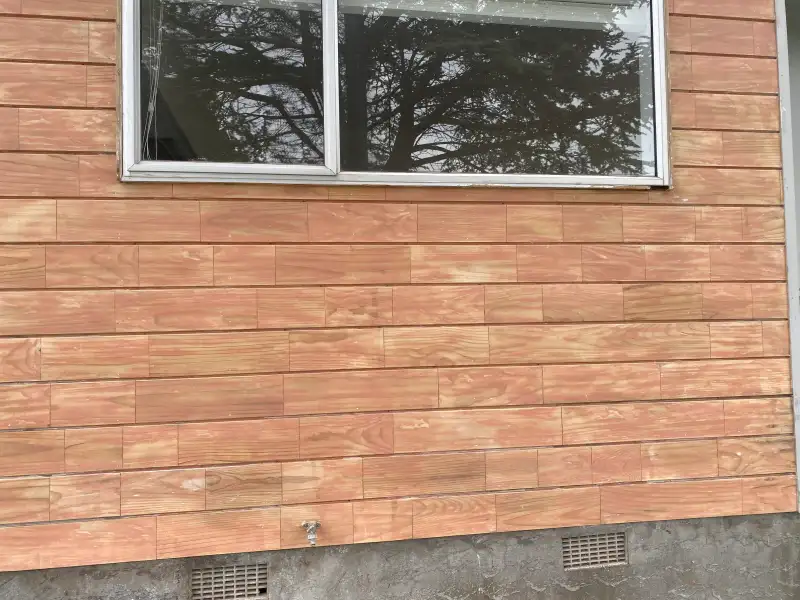
Paint Stripping
Expert removal for a fresh start
Learn More →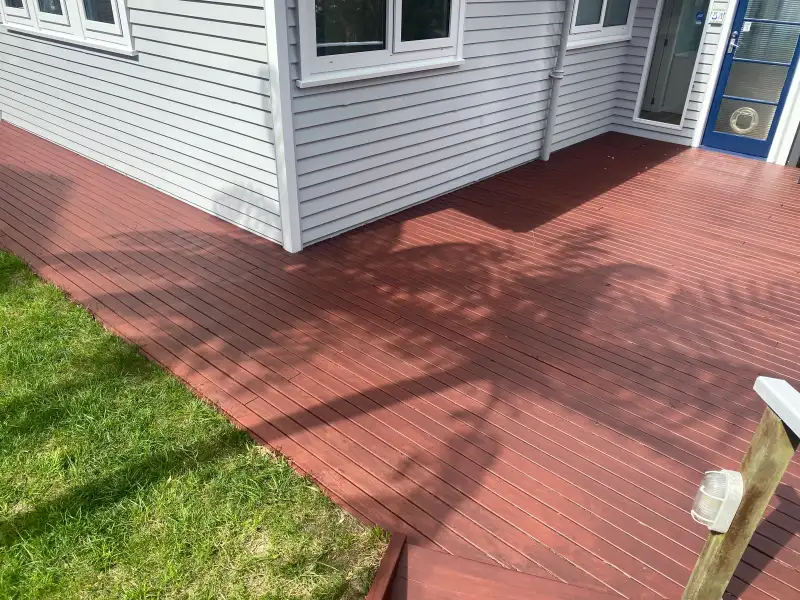
Wood Staining
Enhance the natural beauty of wood
Learn More →Need Plastering Services?
Get a free quote from Wellington's trusted plastering professionals