
Healthcare facilities demand more than fresh paint. Medical centres, dental practices, aged care facilities, and hospitals need coatings that support hygiene, comply with health standards, and minimise disruption to patient care.

Professional healthcare painting balances aesthetics, compliance, and operational continuity.
Why Healthcare Painting is Different
Medical environments have unique requirements:
Hygiene Standards – Surfaces must resist bacteria and support cleaning regimes
Low Odour – Paint fumes can't affect patients or operations
Compliance – Meeting health department and infection control standards
Minimal Disruption – Patient care continues during painting
Durability – High-traffic, frequent cleaning, constant use
Psychology – Colour affects patient comfort and recovery
General domestic painters working in healthcare settings without understanding these requirements create real risks — wrong product in a clinical area can mean failed compliance inspections, or paint that breaks down within months under hospital-grade disinfectants. Healthcare painting is a specialist discipline.
Hygienic and Anti-Bacterial Coatings
Healthcare-grade paint systems include:
Anti-Bacterial Properties
Coatings with built-in microbial resistance:
- Silver Ion Technology – Prevents bacterial growth on painted surfaces
- Mould Resistance – Critical in humid clinical environments
- Long-Term Effectiveness – Properties last the life of the coating
Anti-bacterial coatings don't replace surface disinfection protocols — they complement them. The goal is a surface that doesn't actively harbour pathogens between cleaning cycles, and that withstands the frequent, aggressive cleaning necessary in clinical environments without degrading.
Washable and Chemical-Resistant
Healthcare surfaces need frequent cleaning:
- High Scrub Ratings – Withstanding daily cleaning protocols
- Chemical Resistance – Compatible with hospital-grade disinfectants
- Stain Resistance – Preventing absorption of bodily fluids or medications
Low-VOC and Odourless
Patient and staff health requires:
- Zero or Near-Zero VOC – No harmful emissions
- Minimal Odour – Won't affect patients or trigger sensitivities
- Fast Return to Use – Rooms available quickly after painting
Recommended Systems
- Resene SpaceCote – Low-VOC, excellent washability
- Dulux Wash&Wear – Anti-bacterial, extreme durability
- Specialised Healthcare Coatings – Certified for hospital use
Healthcare Facility Types We Serve
Medical Centres and GP Practices
General practice painting includes:
- Waiting rooms and reception
- Consultation rooms
- Treatment rooms
- Staff areas and offices
Scheduling: Weekend or after-hours work, room-by-room approach. Wellington's busy GP practices — particularly those in high-density suburbs like Newtown, Kilbirnie, and Johnsonville — maintain near-full appointment books Monday through Saturday. We work around their schedule, not against it.
Dental Practices
Dental-specific requirements:
- Surgeries and treatment rooms (clinical-grade coatings)
- Sterilisation areas (moisture and chemical resistance)
- Waiting areas (calming colours)
- X-ray rooms (often specific colour requirements)
Scheduling: Closed days or between patient sessions. Many Wellington dental practices take their annual leave in January — this is the ideal window for a full refresh, giving fresh surfaces time to fully cure before the practice returns to full operation.
Aged Care and Rest Homes
Elderly care facility painting:
- Resident rooms (calming, comfortable colours)
- Common lounges and dining areas
- Hallways (high-durability for wheelchair traffic)
- Bathrooms and wet areas (moisture-resistant systems)
Scheduling: Phased approach with minimal resident disruption. Aged care painting requires particular sensitivity — residents' rooms are their homes, and disruption must be minimised. We work one wing at a time, coordinate with care staff to temporarily relocate residents during painting, and prioritise quick return to use of each space.
Specialist Clinics
Physiotherapy, radiology, pathology, specialist consultants:
- Treatment and consultation rooms
- Waiting areas
- Reception and administration
Scheduling: Coordinated with clinic closure times
Hospitals and Surgical Centres
Large facility requirements:
- Patient rooms and wards
- Operating theatres (specialised systems)
- Emergency departments
- Public areas and corridors
Scheduling: Staged approach, night shifts, coordinated with facility management. Hospital projects are our most logistically complex work. We develop detailed scheduling plans in conjunction with facilities managers, infection control nurses, and department heads before a single drop sheet is laid.
Colour Psychology for Healthcare
Paint colour affects patient wellbeing:
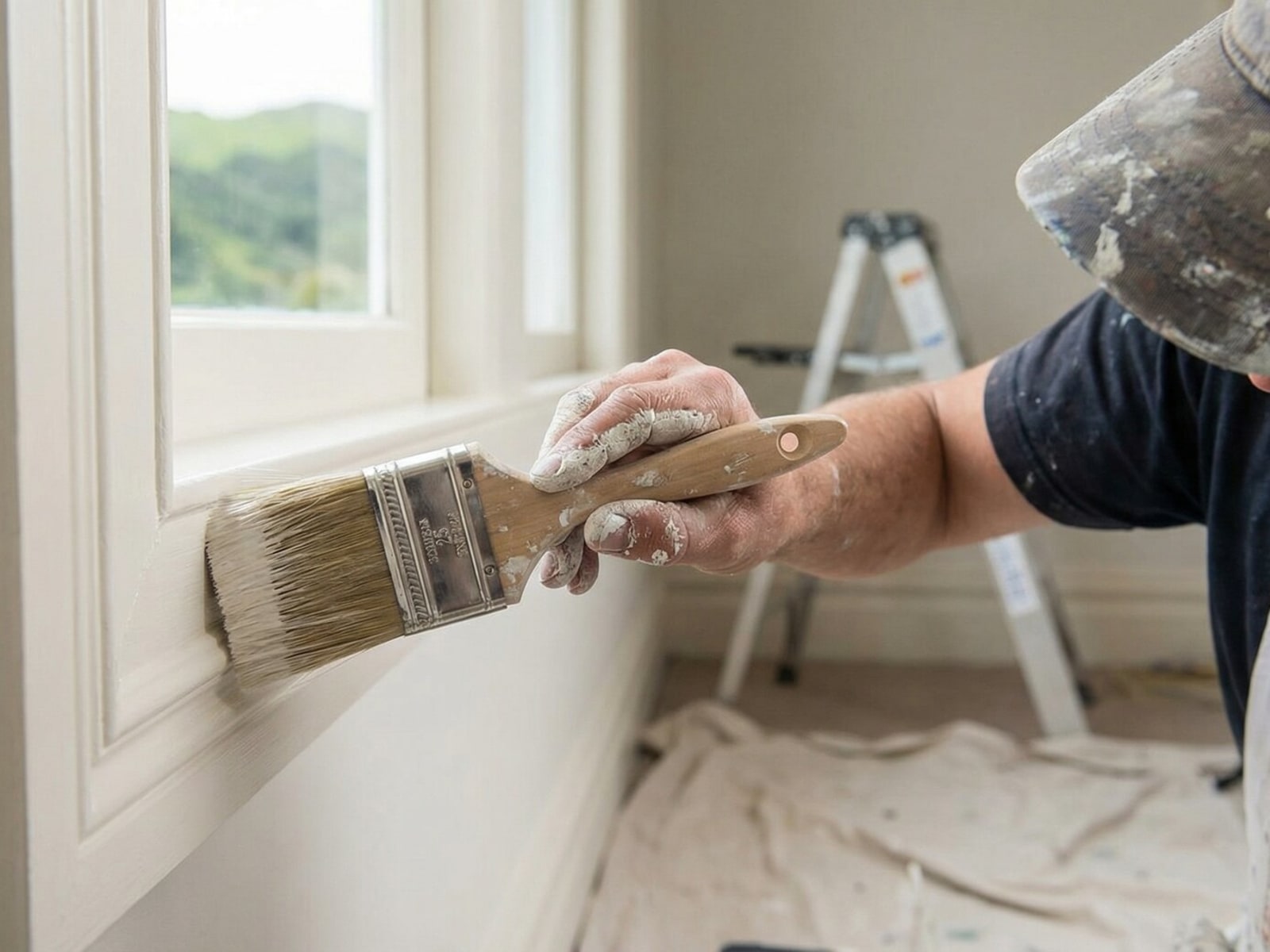
Calming Colours
For waiting rooms, patient rooms, recovery areas:
- Soft Blues – Reduce anxiety, promote calm (Resene Half Escape, Resene Coastal Blue)
- Gentle Greens – Healing associations, reduce stress (Resene Mantle, Resene Sea Mist)
- Warm Neutrals – Comfort without clinical coldness (Resene Quarter Spanish White, Resene Flotsam)
The old institutional white-only approach to healthcare interiors has been largely replaced by evidence-based colour strategies. Research shows that soft blues and greens measurably reduce patient anxiety in waiting environments — relevant for practices where patients often arrive already stressed.
Energising Colours
For rehabilitation, physiotherapy, children's areas:
- Soft Yellows – Optimism and energy (Resene Half Solitaire)
- Warm Oranges – Encouraging movement (Resene Half Buttercup, used sparingly)
Clinical Whites and Greys
For treatment rooms, surgeries, sterile areas:
- Pure Whites – Clean, clinical appearance (Resene Black White)
- Cool Greys – Modern, professional (Resene Quarter Masala, Resene Alabaster)
Avoid
- Harsh Reds – Can increase heart rate and anxiety
- Dark Colours – May depress mood or make spaces feel smaller
- High-Gloss Finishes – Glare affects patients and staff
Minimal Disruption Scheduling
Patient care continues during painting:
After-Hours and Weekend Work
Most healthcare painting happens when facilities closed or least busy:
- Weekend Work – Medical centres closed Saturday afternoon/Sunday
- Evening Work – After last patient appointments
- Holiday Periods – Extended closure windows
Room-by-Room Approach
Larger facilities work in phases:
- Week 1 – Consultation rooms 1–3
- Week 2 – Consultation rooms 4–6
- Week 3 – Waiting room and reception
Each area completes before moving to next. For a 6-room GP practice in Wellington, this approach means the practice never closes — but progresses steadily to a complete refresh over 3–4 weekends.
Emergency Contingency
Healthcare projects include:
- Flexible Scheduling – Adjusting if emergencies require space
- Quick Cleanup – Ability to make rooms operational if needed
- Communication Protocols – Coordinating with practice managers
Infection Control Protocols
Painters working in healthcare environments follow:
Site-Specific Safety Plans
- Infection Control – Hand hygiene, PPE requirements
- Patient Privacy – Respecting confidentiality and dignity
- Contamination Prevention – Containing dust and materials
- Waste Management – Proper disposal of materials
Before starting any healthcare project, we prepare a site-specific infection control plan in consultation with the facility's infection control lead or practice manager. This covers containment of dust and debris, PPE requirements, hand hygiene protocols, and waste disposal procedures for each type of material we use on site.
Facility access and health rules
Individual facilities set their own access requirements for contractors, and they differ between sites and can change. We confirm what applies with the facility manager before the job starts and brief the crew accordingly.
Compliance and Standards
Healthcare facility painting meets:
Ministry of Health Standards
- Infection prevention and control
- Hygiene and cleanliness requirements
- Patient safety protocols
Building Code Requirements
- Fire-rated systems where specified
- Accessibility standards
- Ventilation and air quality
ACC and WorkSafe
- Contractor safety in healthcare environments
- Hazard management
Durability for High-Use Environments
Healthcare surfaces endure:
Wheelchair and Trolley Traffic – Wall protection and scuff-resistant coatings
Frequent Cleaning – Multiple daily cleans with strong chemicals
Hand Contact – Walls near beds, chairs, support rails
Equipment Impact – Medical devices, beds, machinery
Premium systems prevent premature wear. In corridors where bed trolleys and wheelchairs run close to walls, we specify impact-resistant coatings with hard-wearing primers. These cost more per litre but dramatically extend the repaint cycle — relevant in facilities where repainting disrupts patient care and requires the same complex scheduling as the initial job.
Cost Considerations
Healthcare painting pricing reflects:
- Specialised coating systems (anti-bacterial, low-VOC)
- After-hours work requirements
- Strict compliance and documentation
- Coordination with ongoing operations
Typical Wellington healthcare rates:
- Waiting rooms and offices: $22–30/sqm
- Clinical areas: $28–38/sqm
- Aged care facilities: $20–28/sqm
Example: Medical Centre (300sqm)
- Full interior refresh: $7,000–10,000
- Staged over 3–4 weekends
Healthcare painting costs more than standard commercial work because of the specialised products, compliance requirements, and scheduling complexity. The comparison to make is not "cost vs standard painting" but "cost vs an infection control failure or a failed Health Department inspection" — the consequences of getting it wrong are disproportionately expensive.
Frequently Asked Questions
How do we keep the practice running while painting?
We design every healthcare project around your appointment schedule. For GP practices and specialist clinics, we use a room-by-room approach — one room offline at a time, completed and returned to use before the next room starts. Most practices can maintain 70–80% normal appointment capacity throughout a staged repaint.
What documentation do you provide for compliance purposes?
We provide a project completion report that includes all product specifications, Safety Data Sheets (SDS), Environmental Choice certifications, and application records. This documentation supports your infection control records and satisfies Health Department requirements for material specifications in food and healthcare environments.
Can you paint around fixed medical equipment?
Yes. We work around X-ray rooms, dental chairs, treatment couches, and examination equipment regularly. We protect equipment with appropriate coverings and work in the spaces immediately around fixed items without requiring removal. Where equipment does need to be briefly moved for access, we coordinate with your team.
How long before a painted room can be used for patients?
With low-VOC Resene products, most rooms are ready for patient use within 4–6 hours of final coat application. We schedule work to ensure rooms painted in the evening are fully ready by the time your first appointments begin the next morning. For particularly sensitive patients — immunocompromised, chemotherapy, or respiratory conditions — we recommend a full 24-hour cure period, which we can accommodate through careful scheduling.
Trusted Healthcare Painting Partner
Healthcare facility painting requires understanding of clinical environments, patient needs, and operational constraints.
Ready to refresh your healthcare facility?
Wellington Healthcare Painting Specialists
Anti-Bacterial Systems | Minimal Disruption | Registered Master Painters
Create healing environments through professional painting.
Commercial Painting Across Wellington
We provide commercial painting services across Wellington suburbs including Newlands, Ngaio, Hataitai, Island Bay. Get a free quote for your project.
Related Articles


Need Help With Your Painting Project?
Wellington Decorators has been transforming homes across the Wellington region since 2023, led by a founder with 18+ years in the trade. As Registered Master Painters, we back every job with a 5-year workmanship guarantee.
Prefer to talk? Call us now 027 458 6465