
Managing rental property painting costs requires balancing quality, durability, and budget constraints. Understanding true costs — including long-term value and tax implications — helps Wellington landlords make smart investment decisions that protect property value while managing cashflow.

Standard Rental Property Painting Costs
Interior Painting Costs by Property Size
Studio/1-bedroom unit (45-55m²): Touch-up/refresh $1,200-$2,000 | Full repaint $2,500-$3,800 | Premium prep and finish $3,500-$4,500
2-bedroom unit/apartment (60-80m²): Touch-up/refresh $1,800-$2,800 | Full repaint $3,500-$5,200 | Premium prep and finish $4,800-$6,500
3-bedroom house (100-140m²): Touch-up/refresh $2,500-$4,000 | Full repaint $5,000-$7,500 | Premium prep and finish $7,000-$9,500
4-bedroom house (150-180m²): Touch-up/refresh $3,500-$5,500 | Full repaint $6,500-$10,000 | Premium prep and finish $9,500-$12,500
5+ bedroom house (180m²+): Touch-up/refresh $4,500-$7,000 | Full repaint $8,500-$13,000 | Premium prep and finish $12,000-$16,000
Exterior Painting Costs
Small weatherboard (100-120m²): Standard condition $9,000-$13,000 | Weathered/repairs needed $12,000-$16,000 | Premium prep $15,000-$19,000
Medium weatherboard (140-180m²): Standard condition $13,000-$18,000 | Weathered/repairs needed $17,000-$23,000 | Premium prep $21,000-$27,000
Large weatherboard (200m²+): Standard condition $18,000-$25,000 | Weathered/repairs needed $23,000-$30,000 | Premium prep $28,000-$36,000
Rendered/plaster homes: Add 10-20% to weatherboard pricing due to surface preparation requirements.
What Is Included in These Costs
Standard professional painting includes initial consultation and colour selection, surface preparation (water blasting, scraping, sanding), minor repairs (filling holes, cracks), protection of surroundings, premium Resene paint products (2 coats), cleanup and waste disposal, and a workmanship guarantee.
Additional costs if needed: Major repairs $500-$2,000+ | Lead paint testing/removal $1,500-$5,000 | Extensive prep on severely damaged surfaces $1,000-$3,000 | Wallpaper removal $800-$2,500 | Mould treatment $500-$1,500
Cost Factors That Impact Pricing
Property Condition
Good condition (last painted 3-5 years ago): Minimal prep, base pricing applies, 2 coats typically sufficient.
Fair condition (last painted 5-8 years ago): Moderate prep and repairs, add 20-30% to base pricing, may need extra primer or coats.
Poor condition (8+ years or damaged): Extensive prep, repairs, primer needed — add 40-60% to base pricing.
Wellington factor: Coastal and hilltop properties weather faster. Expect fair condition after 5 years rather than 7-8 years for sheltered inland properties. Areas such as Kelburn, Karori ridgelines, Seatoun, and Island Bay are particularly exposed and often need repainting a full cycle earlier. Salt air on coastal-facing weatherboards accelerates chalking and paint breakdown, so annual inspections matter more than inland.
Paint Quality Choice
Budget paint ($50-$70 per 10L): Lower upfront cost but requires 3 coats versus 2 for premium. Lasts 3-4 years. Higher 10-year total cost due to repainting frequency.
Mid-range paint ($80-$110 per 10L): Reasonable upfront, 2 coats sufficient, lasts 4-6 years. Moderate 10-year total cost.
Premium paint (Resene SpaceCote $120-$150 per 10L): Higher upfront, 2 coats excellent coverage, lasts 6-8 years. Often the lowest 10-year total cost.
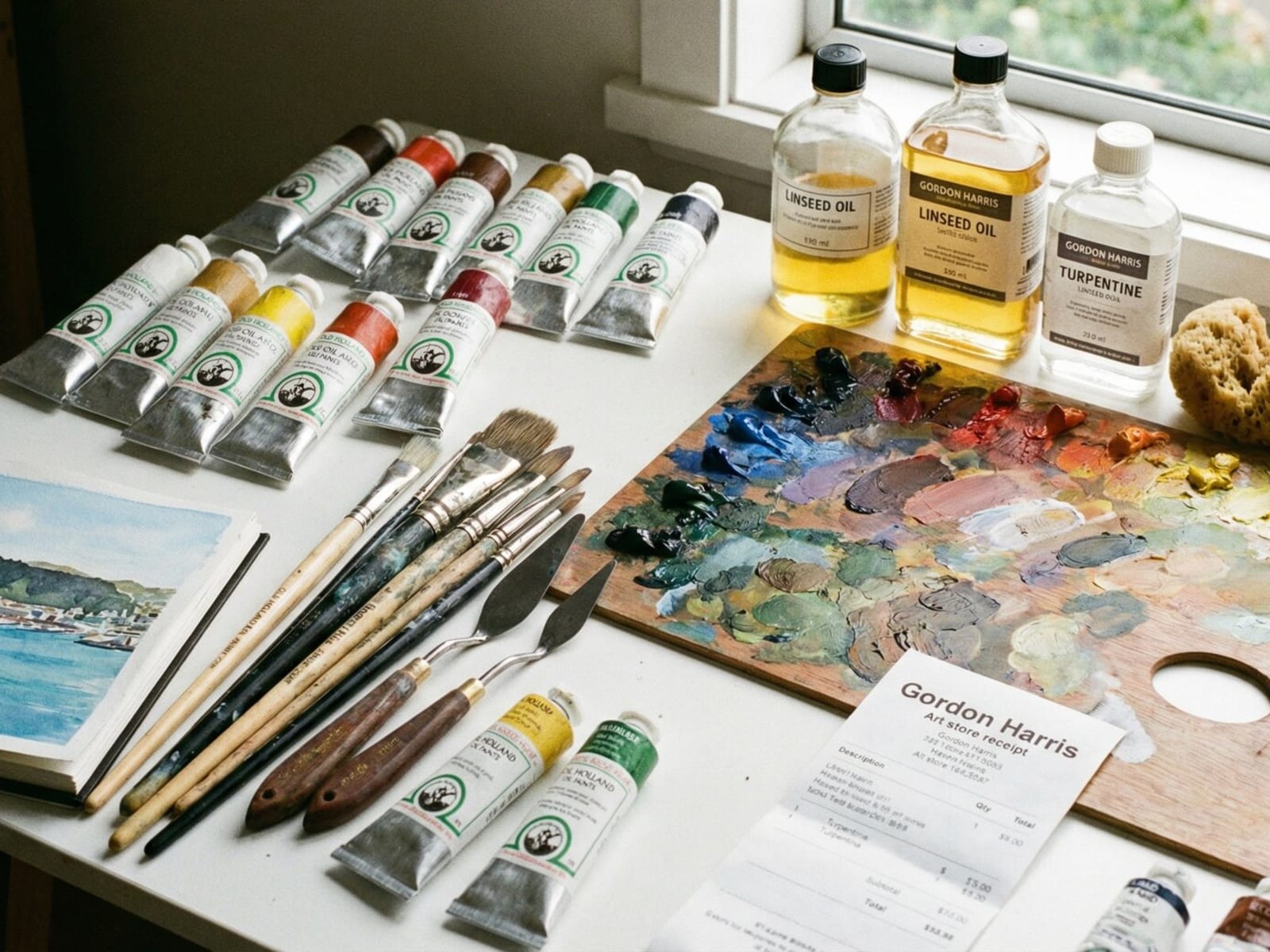
Landlord recommendation: Premium paint is not a false economy — it pays for itself through durability and reduced repainting frequency.
Timing and Urgency
Scheduled maintenance (2-4 weeks notice): Standard pricing, painter can schedule efficiently, no urgency premium.
Tenant changeover (1-2 weeks notice): Minimal premium (0-10%), reduces vacancy time, worth the small premium to get tenants in faster.
Urgent turnaround (under 1 week): 20-40% urgency premium. Reserve this for genuine emergencies only.
Off-season discount: Winter (June-August) sometimes offers 5-10% discounts as painter demand is lower.
Multi-Property Discounts
Portfolio Pricing Advantages
Landlords with multiple properties can negotiate meaningfully better rates. Two to three properties together attract 5-10% per-property discounts. Four to six properties with an annual maintenance agreement can yield 10-15% discounts. Seven or more properties on a preferred contractor arrangement typically receive 15-20% off standard rates.
The key is offering the painter predictable, schedulable work across the year. A painter who knows they have six properties spread across twelve months can price more competitively than one called in reactively.
Bulk Material Purchasing
Standardising your colour palette across a portfolio allows paint purchases in 20L+ volumes at 15-25% better pricing versus retail 10L cans. Keeping a central touch-up inventory means a handyperson can address minor scuffs between tenancies without calling a painter. Consistent colours also mean any leftover paint from one property works as touch-up for another.
Example savings for a 6-property portfolio: Individual pricing at $6,000 each = $36,000. Portfolio pricing at 15% discount = $30,600. Annual savings: $5,400.
Budget vs Quality Trade-Offs
Where NOT to Compromise
Surface preparation: Skimping causes premature paint failure. Proper prep is non-negotiable for longevity and is the single biggest determinant of how long the job lasts.
Paint quality: Budget paint in rentals means more frequent repainting and higher long-term costs. The maths consistently favours premium products over a 10-year horizon.
High-traffic areas: Living rooms, hallways, and kitchens need durable products. These surfaces absorb the most punishment from tenants and take the most time to repaint when they fail.
Exterior weatherproofing: Wellington's wind, rain, and coastal salt demand quality exterior paint. Cheap products fail quickly here, often within 3-4 years, and deteriorating exterior paint leads to timber damage that is far more expensive to repair than the cost of premium paint was to begin with.
Where You CAN Save Money
Scope management: Paint high-impact areas only (living, kitchen, master bedroom) if the full budget is not available right now.
Standard colours: Avoid custom tinting. Stock neutral colours cost less and simplify touch-ups between tenancies.
Timing flexibility: Schedule during off-peak winter months for possible discounts of 5-10%.
DIY prep work: Handle water blasting and cleaning yourself. The painter then does skilled application work only, reducing labour hours.
Touch-ups vs full repaint: Between good tenants, strategic touch-ups may extend another 12-18 months before a full repaint is needed.
Tax Deductibility and ROI
Painting as Tax-Deductible Expense
Rental property painting is generally fully tax-deductible as a maintenance expense. Regular maintenance repainting, repairs to damaged paintwork, repainting in the same or similar colours, and between-tenant refresh painting are all typically deductible as operating expenses.
Major colour or finish changes as part of a renovation, or painting that forms part of a capital improvement, may require depreciation treatment. Your accountant will advise based on scope and intent.
Record keeping essentials: Keep all invoices and quotes, photograph before and after condition, document clearly as property maintenance, and link each invoice to a specific rental property address for your records.
ROI on Quality Painting
Scenario: 3-bedroom rental at $550/week
Budget approach: $4,000 paint cost, lasts 3-4 years, 10-year total $10,000-$13,000 across three repaints.
Premium approach: $6,500 paint cost, lasts 6-7 years, 10-year total $9,750-$13,000 across 1.5 repaints.
Premium finish also supports a $20/week rent premium ($10,400 over 520 weeks), attracts better tenants who stay longer and cause less damage, and reduces vacancy time through better presentation.
Net benefit: $10,000+ over 10 years from a $2,500 extra upfront investment. The case for quality paint is clear.
Strategic Cost Management
Planned Maintenance Calendar
Spread painting costs across a portfolio to avoid lumpy expenses. A staggered 5-year rolling programme — exterior on properties A and B in year one, interior on C and D in year two, and so on — converts unpredictable large expenses into a predictable annual budget line. Allocate a fixed amount per property per year into a painting reserve account. This approach avoids scrambling for $8,000 when a property suddenly needs attention.
Preventive Maintenance Reduces Costs
Annual inspections catch problems early — peeling paint, water ingress, mould — before they escalate into major work. Fixing a small peeling section costs a fraction of repainting an entire wall that has been water-damaged for two years. Tenant education on reporting moisture and using ventilation correctly extends paint life. Good tenant screening reduces damage frequency and painting cycle length.
Hidden Costs to Consider
Vacancy costs: Empty property during painting means lost rent ($550-$900/week in Wellington). Efficient scheduling that completes work before a tenant departs or immediately after minimises this cost significantly.
Furniture storage: If painting while tenanted and furniture must move, storage costs $100-$300/week.
Cleaning coordination: Professional clean after painting adds $300-$600 but is necessary for re-letting and presenting the property well in listing photos.
Healthy Homes compliance: If painting coincides with insulation or ventilation upgrades, coordinate tradespeople together to reduce multiple call-out costs.
Long-Term Cost of Deferred Maintenance
Deferring a $6,000 interior repaint by three years: Year 0 saves $6,000. Year 2 the property becomes harder to rent — accept $30/week less = $1,560 lost rent. Year 3 a major refresh costs $8,500 due to extensive prep from deterioration.
Net outcome: $8,500 paint + $4,680 lost rent - $6,000 saved = $7,180 net loss from deferring. Preventive maintenance consistently wins the maths.
Getting Accurate Quotes
For accurate quotes provide: property address and size, last painted approximate year, current condition with photos if possible, scope required (full repaint versus touch-up), required timeframe, and any specific issues such as water damage, mould, or lead paint concerns.
When comparing quotes, do not just look at the bottom line. Compare paint products specified (brand and quality), number of coats included, prep work scope, minor repairs included or excluded, guarantee terms, painter credentials, and timeline commitments.
Red flags: Quote significantly lower than others without clear explanation, vague product specifications using terms like "standard paint", no written quote or contract, large upfront payment over 30%, no insurance or credentials available on request.
Cost-Effective Product Recommendations
Interior — living areas and bedrooms: Resene SpaceCote Low Sheen (durable, washable, excellent rental value)
Interior — kitchens and bathrooms: Resene SpaceCote Kitchen & Bathroom (moisture resistant, easy clean)
Ceilings: Resene Ceiling Paint (economical, fit for purpose)
Trim: Resene Enamacryl Semi-Gloss (durable, classic finish)
Materials cost for a 3-bedroom: $800-$1,200.
Exterior — weatherboards: Resene Sonyx 101 Low Sheen (excellent durability-to-cost ratio for Wellington conditions)
Exterior — rendered: Resene Lumbersider Low Sheen (proven performance)
Trim: Resene Sonyx 101 or Enamacryl
Materials cost for a standard home exterior: $1,200-$2,000.
Frequently Asked Questions
How often should I repaint a rental property interior?
Every 5-7 years as a general rule. Wellington properties in high-wind or coastal areas may need it every 4-5 years. High-traffic surfaces like hallways and kitchens wear faster than bedrooms and may need attention sooner.
Can I claim painting costs immediately or do I need to depreciate?
Routine maintenance repainting is generally immediately deductible. Major renovation painting may need capital treatment. Your accountant will advise based on the scope and intent.
What colour should I use for a rental?
Neutral light tones such as Resene Half Rice Cake, Resene Quarter Stonehenge, or Resene Alabaster. They appeal broadly to prospective tenants, make rooms feel larger, and are easier to touch up consistently between tenancies.
Should I paint between every tenancy?
Not necessarily. Assess condition honestly. If a good tenant has left the property in excellent shape after 2-3 years, strategic touch-ups may be all that is needed. A full repaint is warranted after significant wear, damage, or every 5-7 years regardless.
Ready to Budget Smart?
Professional painting does not have to break the bank when approached strategically. Our Registered Master Painters work extensively with Wellington landlords, understanding the unique requirements and budget considerations of rental properties. We provide honest quotes with clear scope, durable product recommendations, portfolio discounts for multi-property landlords, and efficient scheduling that minimises vacancy periods.
Get your free landlord painting quote | Interior painting services
Wellington Decorators Limited — Registered Master Painters | Resene Eco Decorator
Interior Painting
Our Painting Services Across Wellington
Wellington Decorators serves all Wellington suburbs. Find painting services in your area: Hataitai, Island Bay, Brooklyn, Wadestown. Get a free quote for your project.
Related Articles

Need Help With Your Painting Project?
Wellington Decorators has been transforming homes across the Wellington region since 2023, led by a founder with 18+ years in the trade. As Registered Master Painters, we back every job with a 5-year workmanship guarantee.
Prefer to talk? Call us now 027 458 6465