
The south and south-east walls take the cold, wet, wind-driven weather and get the least sun to dry out afterwards, so the coating there ages faster and the timber underneath stays damp longer. The west wall fails for the opposite reason and often ends up in much the same state. On most Wellington houses it is those two elevations that need far more preparation than the sheltered sides, and the south is usually the one you notice first.
That is why a quote can read as though it covers two different houses. The sheltered walls get washed and given two coats. The exposed ones get scraped, treated, spot primed, and occasionally stripped back to timber.
What does the south side get that the others do not?
Four things, and they compound. It takes the southerly, which arrives cold and carries rain horizontally off Cook Strait. It gets little or no direct sun, so it dries slowly after every one of those events. Its surface sits colder, which means it spends more hours at or near dew point, wet from condensation even on days it has not rained. And because it stays damp and shaded, it grows things.
Winter is when all four line up. The days are short, the sun sits low enough that a south wall gets none of it, and fronts come through often enough that drying time rather than temperature is the scarce resource. On the sunny side of the house there is still usable drying between one band of rain and the next. On the south wall, some weeks, there is not, and paint applied into that is paint applied onto a damp substrate.
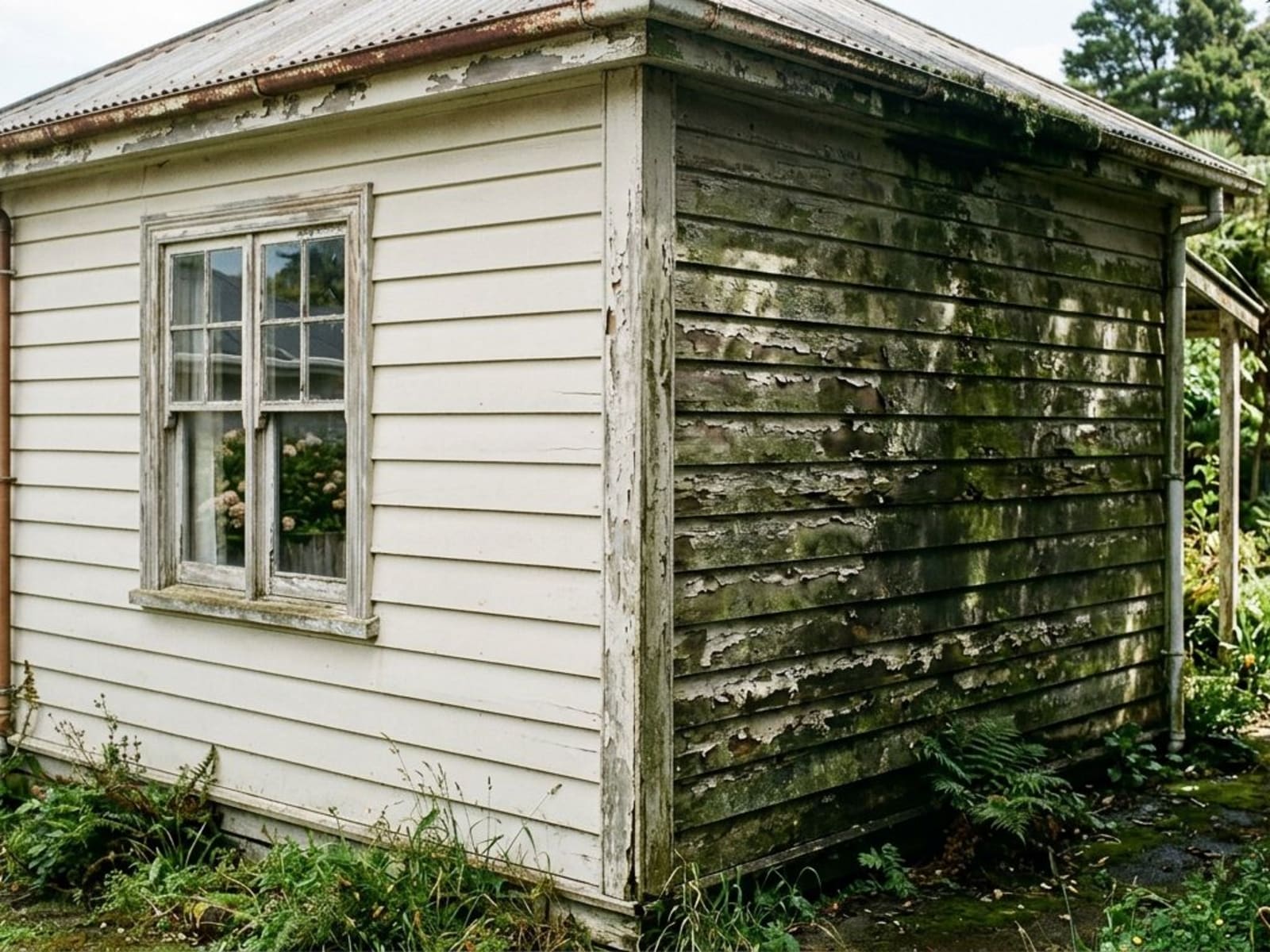
Why does the green growth matter so much?
Because it is not dirt and it does not come off with a wash. Lichen and moss anchor into the paint film, and mould sends growth below the surface. Water blasting the visible green off a wall leaves the roots in place, and they come back through new paint within a season or two, at which point you have paid for a repaint that looks worse than the wall you started with.
Treating it properly means applying a moss and mould treatment, leaving it to work for the time the label says rather than the time the schedule allows, then washing. On a badly affected south wall that can mean a treatment, a wait, a wash, and on the worst areas a second round. It is slow, unglamorous, and it is the difference between a coating that lasts and one that does not.
How do the four elevations usually compare?
| Elevation | Main exposure | What you typically find | Typical preparation |
|---|---|---|---|
| South and south-east | Cold wind-driven rain, little sun, slow drying | Green growth, damp boards, flaking at ends and laps, soft filler | Treat growth, wash, scrape, dry out, spot prime, sometimes strip |
| West and north-west | Strong afternoon sun plus wind-driven rain | Fading, chalking and lifting together, often as bad as the south for different reasons | Wash, sand back chalk, extensive spot priming |
| North | Maximum ultraviolet, dries quickly | Even fade, chalky surface, brittle film, little lifting | Wash, sand, prime bare areas, two coats |
| East | Morning sun, most sheltered from the worst weather | Generally the best condition on the house | Wash and recoat |
West is the one people forget. It collects the afternoon ultraviolet that breaks the binder down and the wind-driven rain that gets in behind it, which is the worst combination available. On plenty of Wellington houses the west wall is in poorer shape than the south, even though the south feels like it should be.
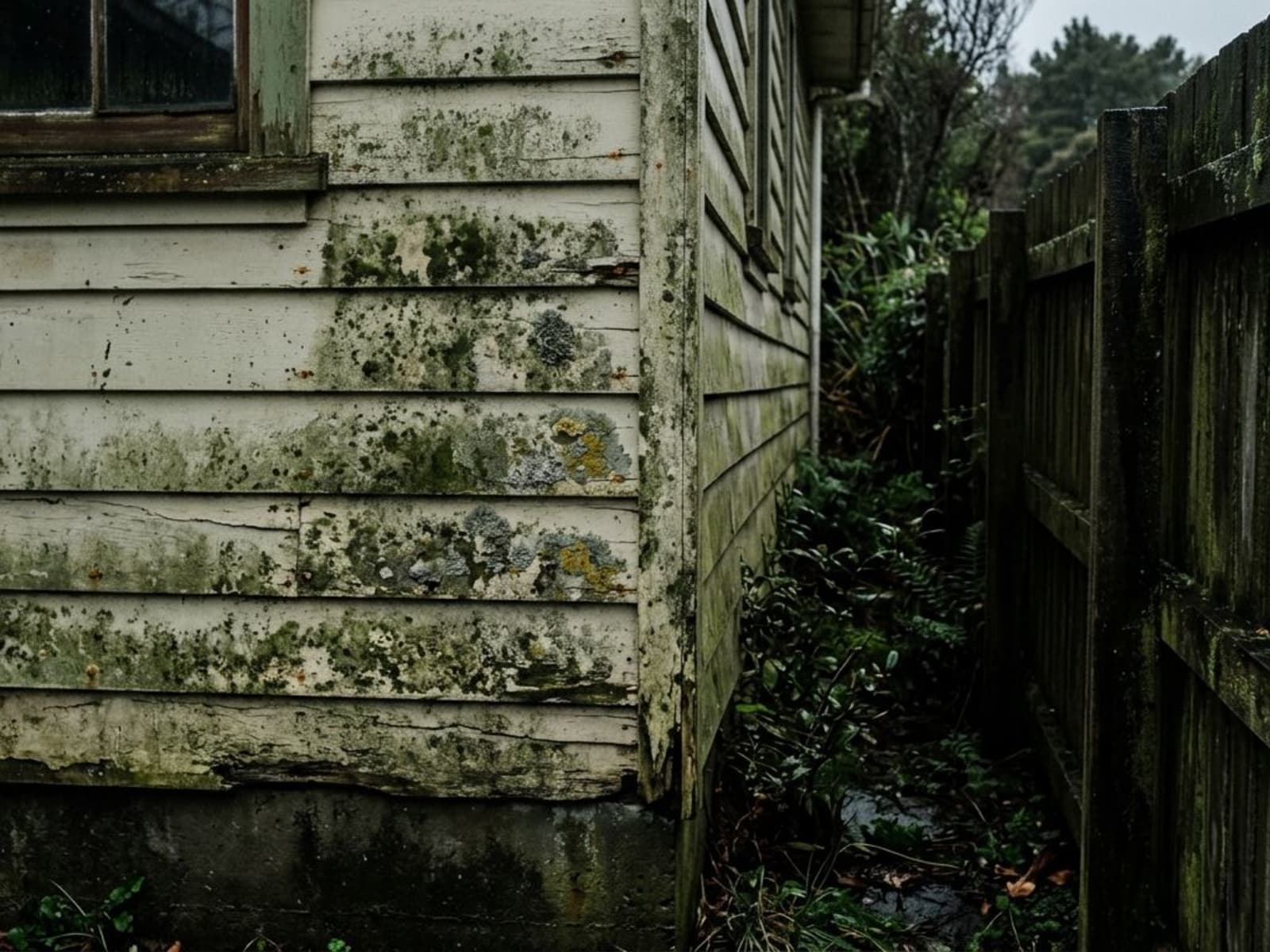
How should this show up in the quote?
Elevation by elevation. A quote that says "prepare as required" across the whole house has moved all the risk onto a phrase nobody can measure, and it is the single most common source of arguments halfway through an exterior job.
What you want to see is which walls are wash and recoat, which are wash, scrape and spot prime, and which are full strip. If any wall is priced as a full strip, ask what happens if it turns out to be less work than expected, and if the others are priced as recoat, ask what happens if they turn out to be more. Those two answers tell you a great deal about who you are dealing with.
Should you just paint the south wall?
Sometimes, honestly, yes. If the other three elevations are sound and only the exposed one has failed, doing that wall alone is legitimate maintenance and it is a fraction of the cost of a whole-house job.
The catch is colour. Existing paint on the other walls has faded, and a fresh coat of the original colour will not match it exactly even from the same formula. On a wall that faces the street this is worth thinking about. On a shaded wall against a bank that nobody sees, it rarely matters. There is also a case for repainting the south wall now and doing the rest at its natural interval, which stages the spend without compromising anything.
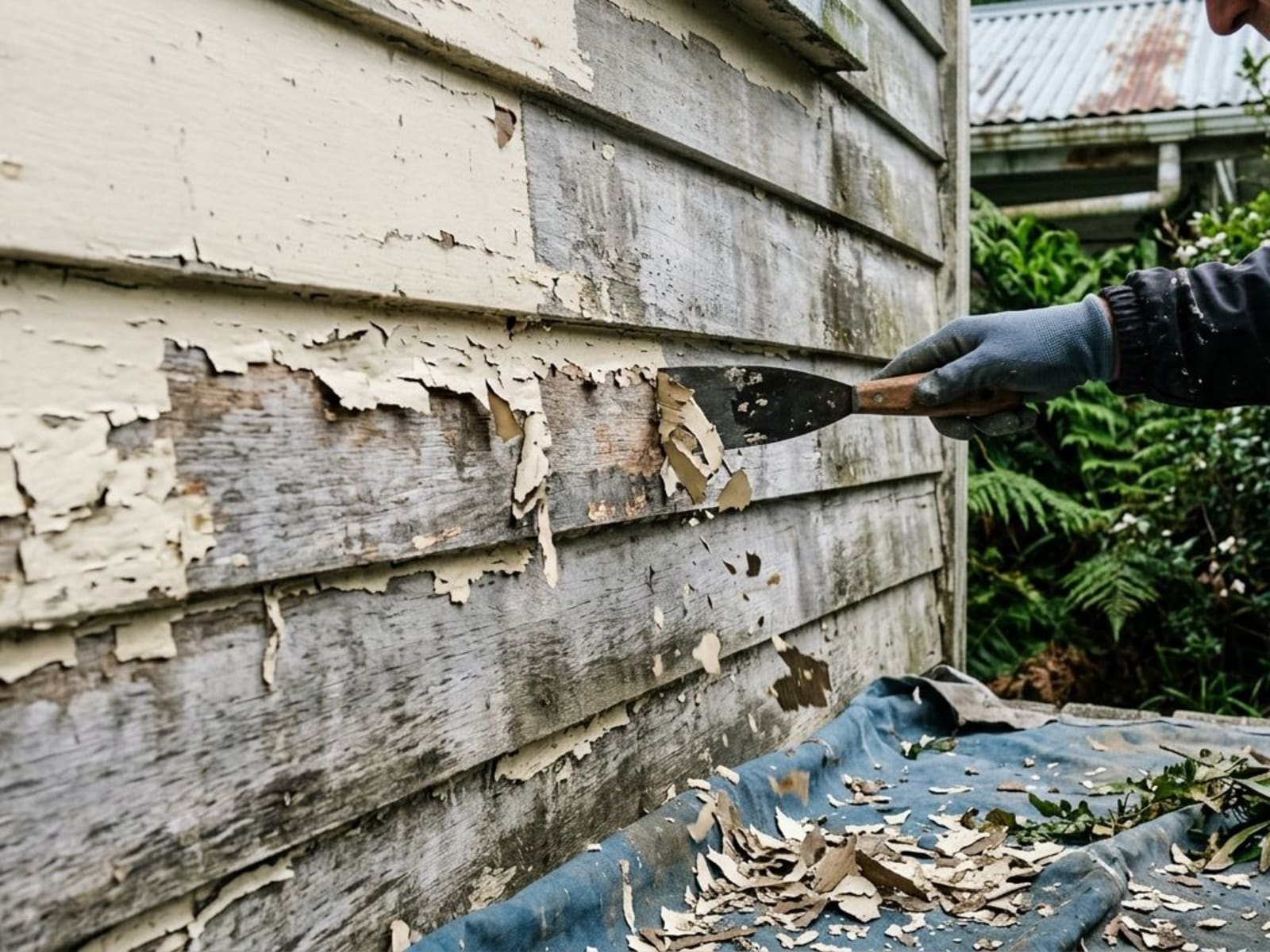
Does the order of work matter?
Yes, and any experienced crew will already be doing it. The south elevation is prepared and coated in the warmest, driest part of the programme, because it has the narrowest drying window of the four. Leaving it until the end of an autumn job means finishing the hardest wall in the worst conditions.
Winter is the real problem. A north wall on a fine June day gets several usable hours. A south wall on the same day may not get above dew point at all, which is why exterior work in Wellington tends to be planned around the shaded elevations rather than the sunny ones.
What can you do that costs nothing?
- Cut vegetation back off the wall, hard. Light and moving air are the two things that shaded elevation is short of, and both are free.
- Move the woodpile, the stacked timber and the trailer that has been leaning against it since last winter.
- Clear the gutter above it and check where the downpipe discharges.
- Wash it down once a year. On a south wall this genuinely delays the next repaint.
- Check the ground clearance at the bottom of the cladding, particularly if a garden bed has crept up over the years.
Does a different product help? A little. Coatings vary in how well they resist growth, and a topcoat suited to a shaded damp wall is a sensible choice. But preparation still decides the outcome, and no product survives being applied over live lichen.
If one side of your house looks a decade older than the rest, get in touch and we will price the exterior work wall by wall rather than as one number.
Related Articles


Need Help With Your Painting Project?
Wellington Decorators has been transforming homes across the Wellington region since 2023, led by a founder with 18+ years in the trade. As Registered Master Painters, we back every job with a 5-year workmanship guarantee.
Prefer to talk? Call us now 027 458 6465