
Paint runs and sags when more of it goes on in one place than the surface can hold, or when it is thinned or applied in conditions that keep it wet and mobile for longer than it should be. Once a run has dried, the only real fix is to let it harden, cut or sand it flat, and recoat that section, because painting over a run just gives you a run with more paint on it.
The good news is that runs are cosmetic. They are not a sign that the paint has failed or will peel.
What is actually happening when paint runs?
Paint is made to flow. A little flow after it goes on is what lets brush marks and roller texture level out into a smooth film. Resene's technical training material on paint problems makes the point that there is a fine line between paints with good flow and paints that sag, and that applying such a paint too heavily, or thinning it, can tip the balance.
A sag is the result: paint on a vertical surface that starts to slide a few minutes after it went on. A run is a narrow version, usually from a single heavy spot. A curtain is a wide one, where a whole band of paint has slid and bunched into a wavy edge.
What causes it?
- Too much paint in one pass. An overloaded brush or roller, or going back over an area that already has a full coat.
- Paint pooling in edges and gaps. Resene's training notes describe paint being pushed into the gaps between weatherboards and later running down. The same thing happens at door mouldings, window corners and the laps on fences.
- Thinning. Paint thinned to make it easier to brush has more flow, and that is exactly what sagging is. The same material says to avoid thinning.
- Slow drying. Anything that keeps paint wet for longer gives it longer to move. Resene's notes single out slower-drying solventborne paints as particularly sensitive, especially when sprayed. Cold and damp conditions also slow drying, which is part of why runs are more common on a cool, still day than a warm, breezy one.
- Spraying too heavily. A spray gun can put down a thick film very quickly. Holding it too close or moving too slowly produces a curtain almost immediately.
Gloss enamels on doors and joinery show runs most, because the sheen picks out every ridge. The same run in a flat paint on a rough surface may not be noticeable at all.
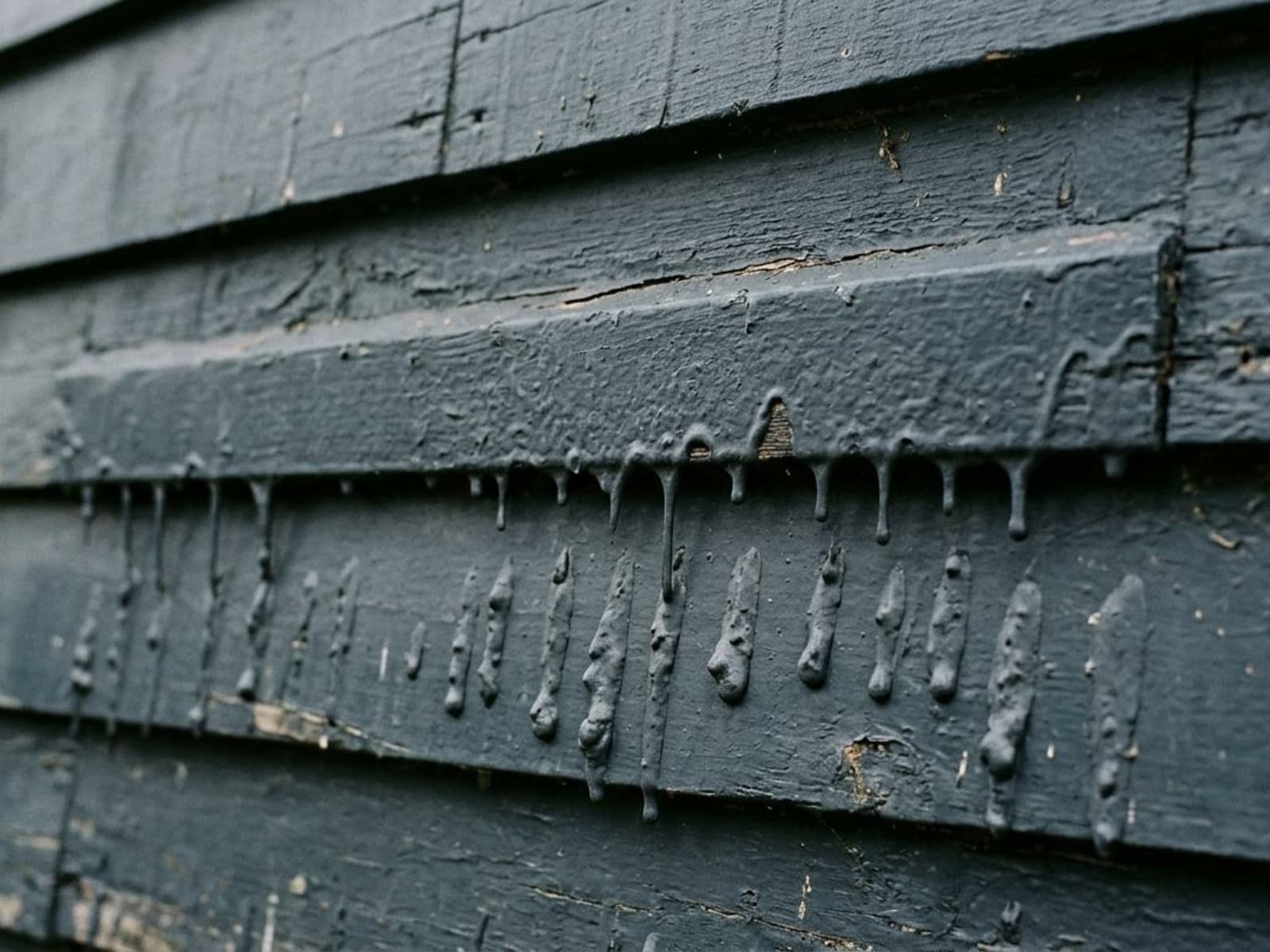
Can you fix a run while it is still wet?
Yes, and this is the cheapest time to do it. If you notice a run within the first few minutes, brush or roll it back out with a nearly dry brush or roller, working lightly in the direction of the rest of the coat, then leave it alone. Resene's advice on waterborne paints is to avoid excessive re-brushing, especially with semi-gloss and gloss finishes, so the aim is one or two light strokes, not a scrub.
If the paint has started to set and drags under the brush, stop. Working a half-dry run leaves a rough patch that is harder to fix than the run itself. Let it dry and deal with it properly.
How do you fix a run once it has dried?
The important word is hardened, not dried. A run holds far more paint than the film around it, so it takes longer to firm up, and a run that feels dry on the outside can still be soft inside. Sanding it too soon tears it open and smears it. Our explanation of drying time versus curing time covers why the surface can fool you.
Once it is genuinely hard:
- Cut down the ridge. On a thick run, carefully shave the raised bead off with a sharp scraper or blade held nearly flat, without digging into the coat underneath.
- Sand it flush. Use a sanding block, not your fingers, so you flatten the run rather than following its shape. Start with a medium paper and finish with a fine one, and stop when the area feels level with the surrounding paint.
- Clean off the dust. A damp cloth, then let it dry.
- Spot prime if you broke through. If sanding exposed bare timber or metal, prime that spot with the primer suited to the surface.
- Recoat the whole section. Paint to a natural boundary, such as the whole board, the whole panel of the door, or the whole side of the frame, not a dab over the sanded patch.
That last step is the one people skip. A small touch-up in the middle of a surface usually shows as a patch of different sheen, even from the same tin, and Resene's training notes recommend applying a full coat over the smallest area with a natural boundary for that reason.
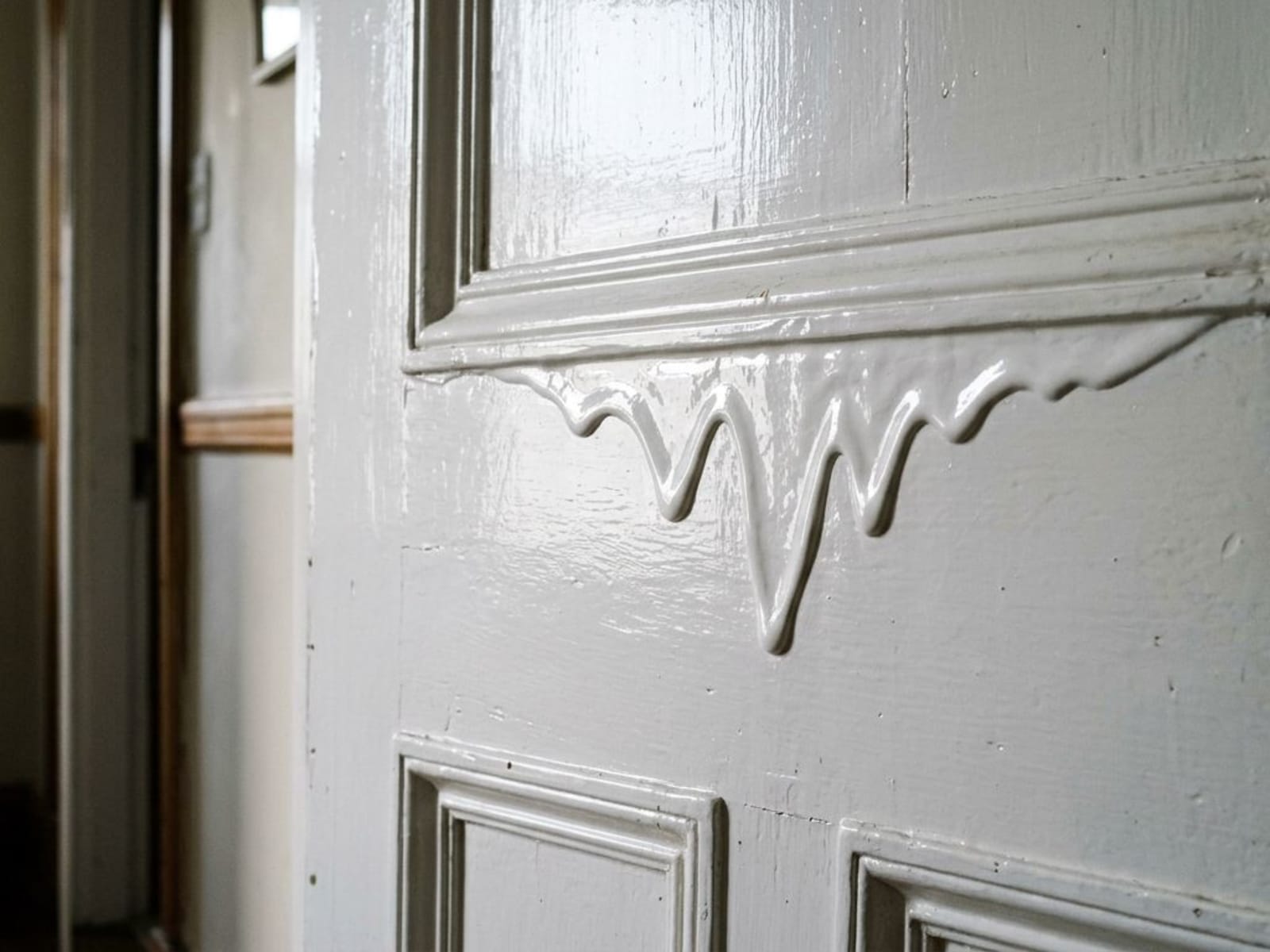
Is there a sanding risk on older houses?
Yes. Homes painted before the 1980s may contain lead-based paint, and a run on a repaint can be sitting over old layers. If there is any chance of sanding into old paint, have it tested before you sand. On a new coat over a surface that has already been tested or stripped, this is not a concern.
How do you stop it happening in the first place?
| Cause | Prevention |
|---|---|
| Overloaded brush or roller | Offload in the tray or on the side of the tin and spread each load fully |
| Paint collecting in edges and laps | Brush out the edges after rolling and check them a few minutes later |
| Thinned paint | Use it as supplied unless the data sheet says otherwise |
| Slow drying in cold or damp | Paint in the drier part of the day and within the tin's temperature limits |
| Heavy spray passes | Keep the gun moving at a steady distance and build with lighter coats |
The single most useful habit is the one Resene's material gives for avoiding sags: take care with application and watch what the paint you have just put on is doing. Look back along a wall or a set of weatherboards a few minutes after you finish each section. Runs form in that window, and a painter who checks catches nearly all of them while they are still easy to brush out.
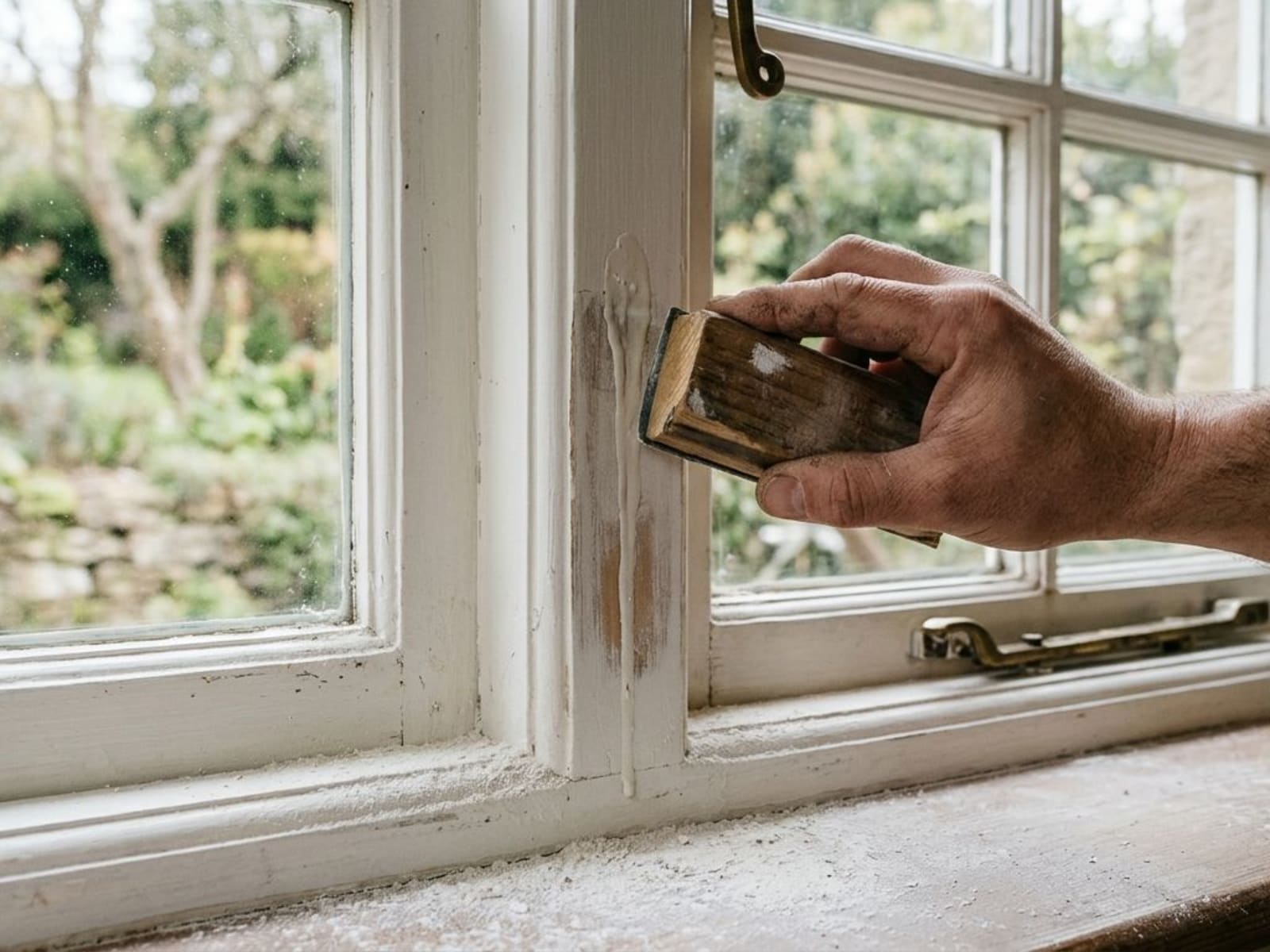
When is it worth calling someone?
A few runs on a door or a fence are a Saturday afternoon with a sanding block. A house where the finish coat has sagged along every board is different, because fixing it properly means sanding and recoating whole elevations. If you are planning an exterior job and want to know how to avoid this and other common faults, our exterior painting tips are a good place to start, and if you would rather hand it over, get in touch for a quote.
Related Articles

Need Help With Your Painting Project?
Wellington Decorators has been transforming homes across the Wellington region since 2023, led by a founder with 18+ years in the trade. As Registered Master Painters, we back every job with a 5-year workmanship guarantee.
Prefer to talk? Call us now 027 458 6465