
Wood Staining in Karori — Protecting Timber the Right Way
Karori is Wellington's largest suburb, and with size comes variety. You've got heritage villas sitting next to modern family homes, established gardens with mature native timber fences, and hillside decks that cop the full force of the westerlies. That mix of old and new timber — rimu weatherboards, aged pine fences, treated pine decks — means there's no one-size-fits-all approach to wood staining out here. Every job needs a read of what the timber's telling you.

Why Timber Deteriorates Faster in Karori
Karori's elevation puts your outdoor timber in the firing line. The suburb sits high enough that wind-driven rain comes in sideways — and it does that repeatedly, week after week over winter. Water works into end grain, around joists, under deck boards. UV from summer sun bleaches the surface and breaks down the lignin that holds wood fibres together. Then the cycle repeats.
For the older homes in Karori, you're often dealing with native timber that's been painted or stained multiple times over the decades. Some of it holds up remarkably well with the right maintenance. Some of it has been neglected and needs serious restoration work before any new stain will take properly. The new builds and extensions tend to have treated pine decks — solid material, but it still needs protection or it greys off, checks, and starts lifting at the ends within a few seasons.
The other thing we see a lot in Karori is mature timber fencing around established gardens. These fences have been there 20, 30, 40 years in some cases. They've dried out, the grain has opened up, and they absorb moisture readily. A good penetrating oil or semi-transparent stain gets into that open grain and gives real protection — far better than a surface-coat product that just sits on top and peels.
Our Process for Karori Homes
We don't just show up and roll stain on. Every job starts with an assessment. We look at the timber species, its current condition, how much weathering has occurred, and what's been applied before. That tells us what prep is needed and which product system will perform best.
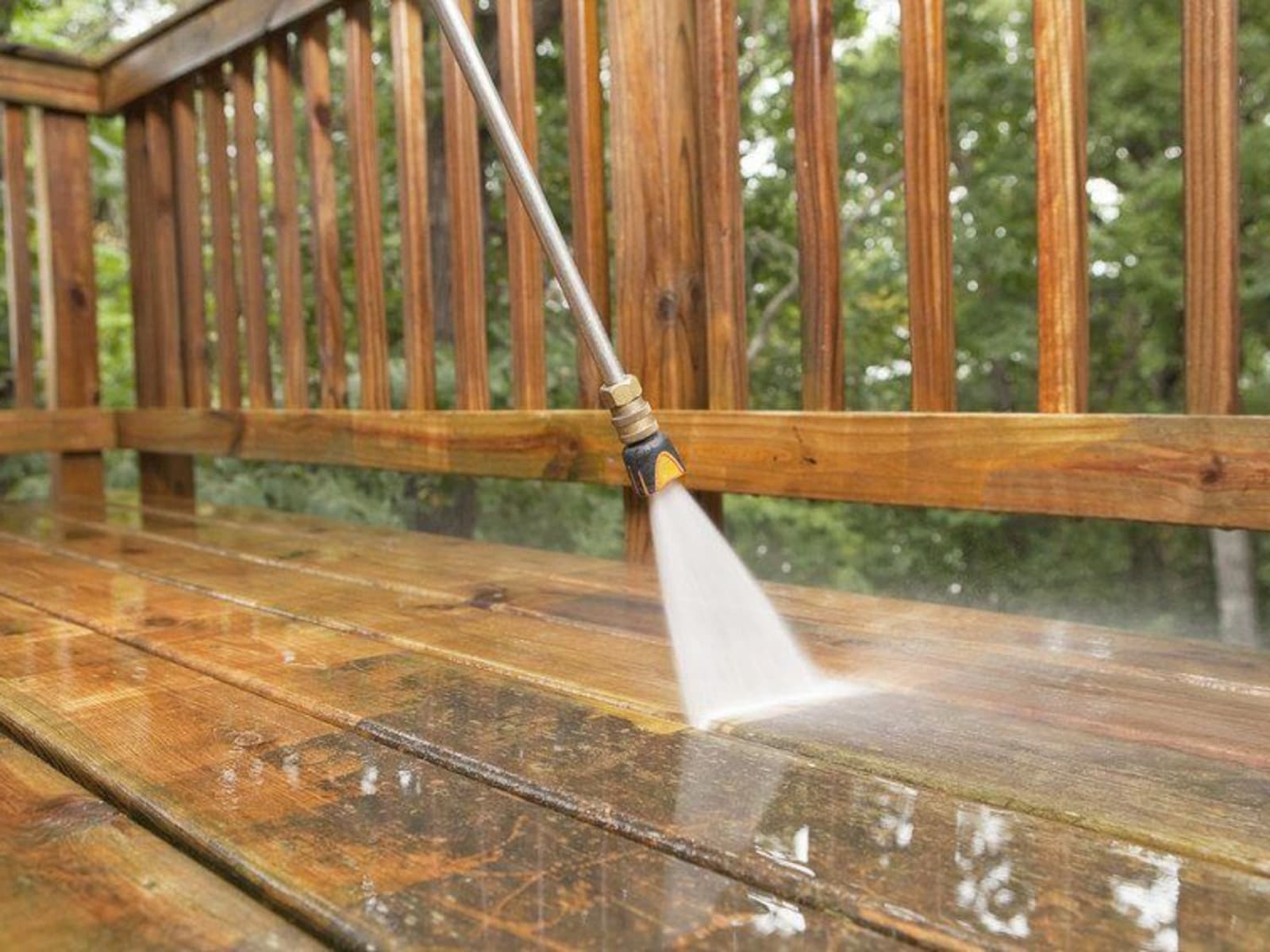
Preparation is where most of the work is. For decks, that means a thorough clean — either a soft wash or light pressure wash depending on the timber — followed by sanding if the surface is rough or if old coating needs feathering back. We check for any soft boards, loose fixings, or sections that need repair before we even open a tin of stain. Staining over a structurally compromised deck is a waste of everyone's time and money.
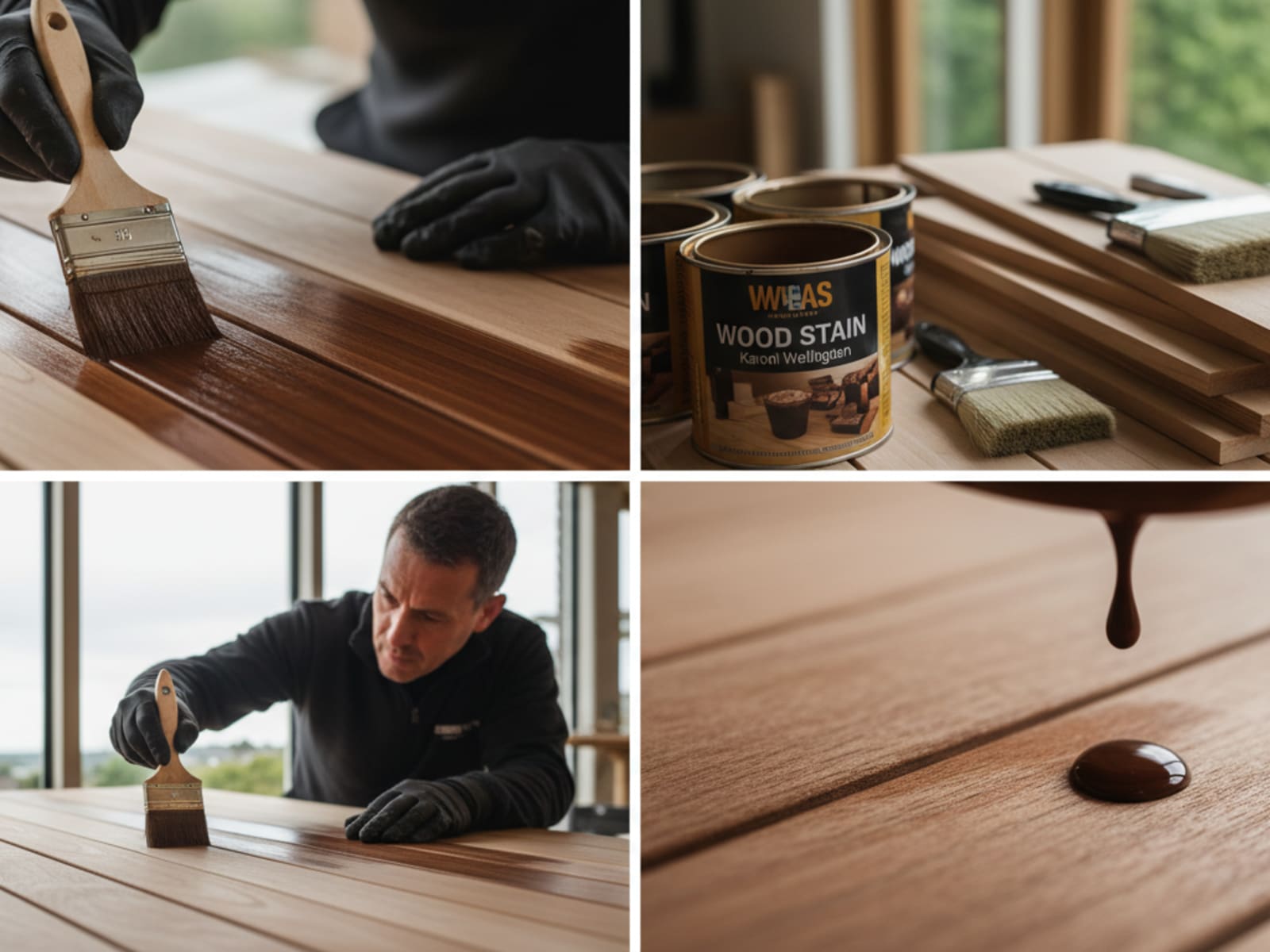
For fences and weatherboards, we prep back to a clean, dry, sound surface. Old peeling stain comes off. Bare timber gets a conditioner or primer coat if needed. We choose between oil-based and water-based stain systems depending on the timber and the look the homeowner wants. Oil-based products give deeper penetration and a richer finish — better for thirsty older timber. Water-based systems dry faster, have lower odour, and clean up easily — good for jobs where access or drying time is tight.
We apply stain in the right conditions. Not in direct midday sun, not when rain is forecast, not when the timber is still damp from overnight dew. Getting the application conditions right is the difference between a finish that lasts three or four years and one that starts peeling by the end of its first winter.
Pricing Guide for Karori
Staining costs depend on timber area, condition, and how much prep work is involved. Here's a realistic guide for most Karori properties:
- Deck staining: $15–$30 per m²
- Fence staining: $12–$25 per m²
- Small deck (15–20m²): $400–$800
- Large entertainment deck (30–50m²): $1,200–$2,000
- Full deck restoration including repairs: $1,500–$4,000
Heritage homes with original native timber or extensive prep requirements sit toward the upper end. A newer treated pine deck in reasonable condition will come in at the lower end. We'll give you a fixed quote after the site assessment — no surprises on the invoice.

How often does timber need restaining in Karori?
For decks and horizontal surfaces that take foot traffic and direct weather, plan on restaining every 2–3 years. Vertical surfaces like fences and weatherboards hold their coat longer — typically 4–6 years with a quality product. Karori's wind and rain accelerate weathering compared to more sheltered suburbs, so err on the side of sooner rather than later.
Can you stain timber that's already been painted?
Not without removing the paint first. Stain needs to penetrate the timber to do its job — it won't work over a paint film. We can strip painted surfaces back and then stain, but it adds to the prep time and cost. Sometimes it's more practical to repaint in those cases. We'll advise you honestly at the assessment stage.
What's the difference between oil-based and water-based stains?
Oil-based stains penetrate deeper into the timber, especially useful for older or more porous wood. They give a warm, rich colour and tend to last well in harsh conditions. Water-based stains have improved a lot in recent years — they dry faster, have less odour, and the technology is now very good. We select the right system based on your specific timber and situation, not just what's convenient for us.
Do you handle repairs as part of a staining job?
Yes. If we find soft boards, damaged joists, loose decking screws, or structural issues during the assessment, we can include repairs in the same scope of work. It's better to fix problems before staining than to stain over issues that will worsen underneath.
If your Karori deck or fence is overdue for attention, get in touch. We'll come out, have a proper look, and give you a straight quote for the work.
Related Articles


Need Help With Your Painting Project?
Wellington Decorators has been transforming homes across the Wellington region since 2023, led by a founder with 18+ years in the trade. As Registered Master Painters, we back every job with a 5-year workmanship guarantee.
Prefer to talk? Call us now 027 458 6465