
Wood Staining & Timber Care in Ngaio
Ngaio is one of Wellington's most distinctive suburbs. Bush-clad, quiet, and full of character homes built when tradesmen took their time. The 1920s and 1930s weatherboard houses here have original timber features that most modern homes simply don't have: deep verandahs, decorative balustrades, exposed rafters, and native timber decking. Keeping that timber in good shape is what we do. Our wood staining service covers everything from deck restoration to fence staining across Ngaio and the surrounding bush suburbs.
Why Wood Staining Matters in Ngaio
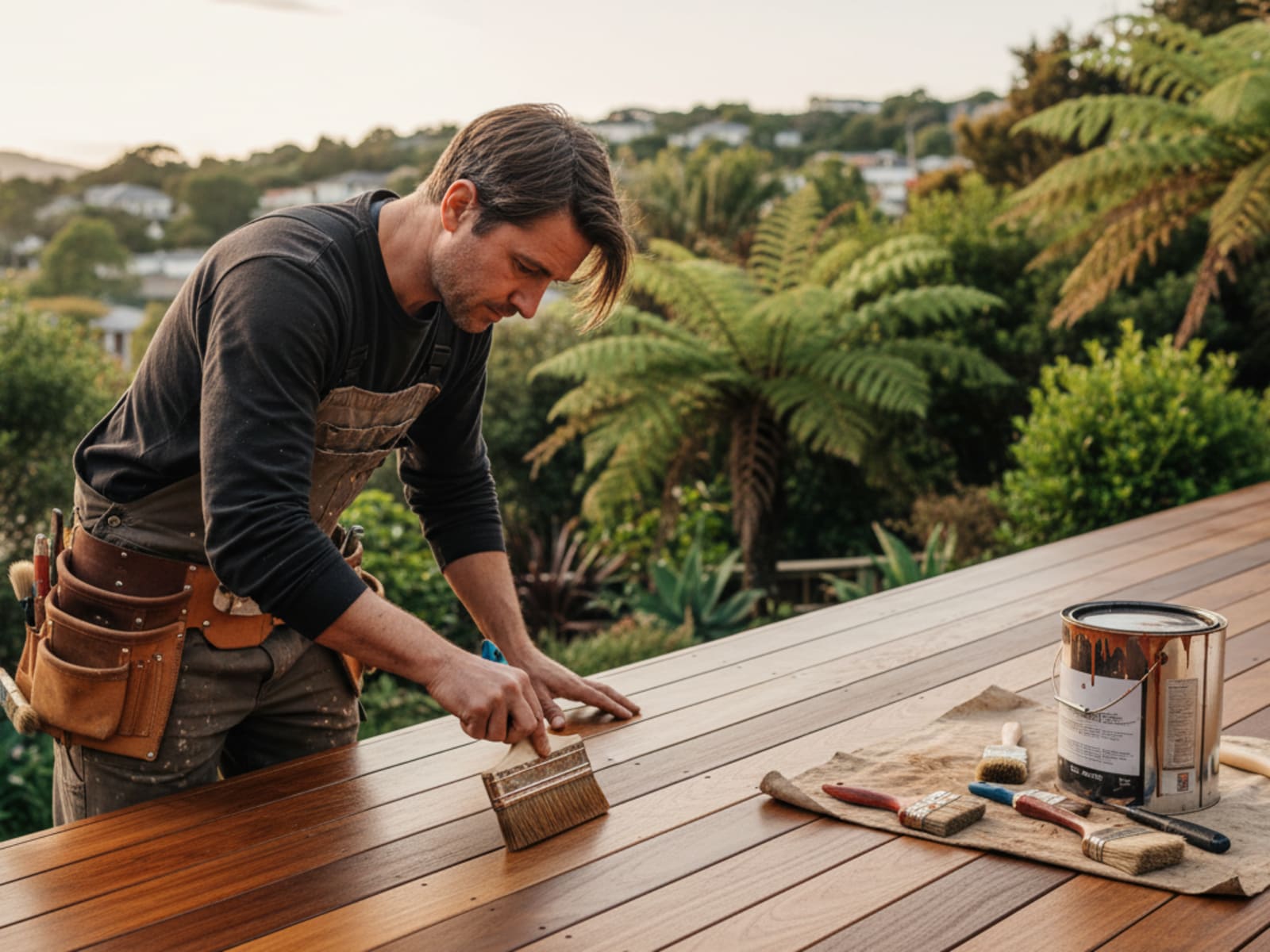
If you live in Ngaio, you already know the microclimate is different. The native bush canopy creates shade and holds moisture. It's part of what makes the suburb feel like an escape from the city. But for timber, that combination of shade, humidity, and limited air movement is a recipe for problems. Mould and algae establish fast on surfaces that don't dry out properly between rain events. Unprotected decking develops a slimy surface that's both ugly and genuinely dangerous underfoot.
The older homes in Ngaio also present a different challenge to the pine decks you'd find in newer suburbs. Many properties still have original native timber, rimu, matai, or totara, used in verandahs, steps, and structural framing. These timbers are dense and naturally durable, but they've been around for 80 or 100 years and they need the right products applied correctly to stay that way.
We see a lot of Ngaio decks treated with the wrong product. A thick film-forming stain applied over damp timber peels within a season. The right approach for bush-surrounded, moisture-exposed timber is a penetrating oil or semi-transparent stain that lets the wood breathe while keeping water out. Wellington Decorators has been working in Ngaio long enough to know which products hold up in these conditions.

Our Process
Every job in Ngaio starts with a thorough assessment. We check the timber species where we can, test for moisture content, look for signs of mould penetration rather than just surface growth, and identify any structural issues that need attention before staining.
The full process:
- Anti-mould treatment. On Ngaio properties we almost always treat for mould and algae before any other prep. A biocide wash neutralises the growth and stops it re-establishing under the new coat.
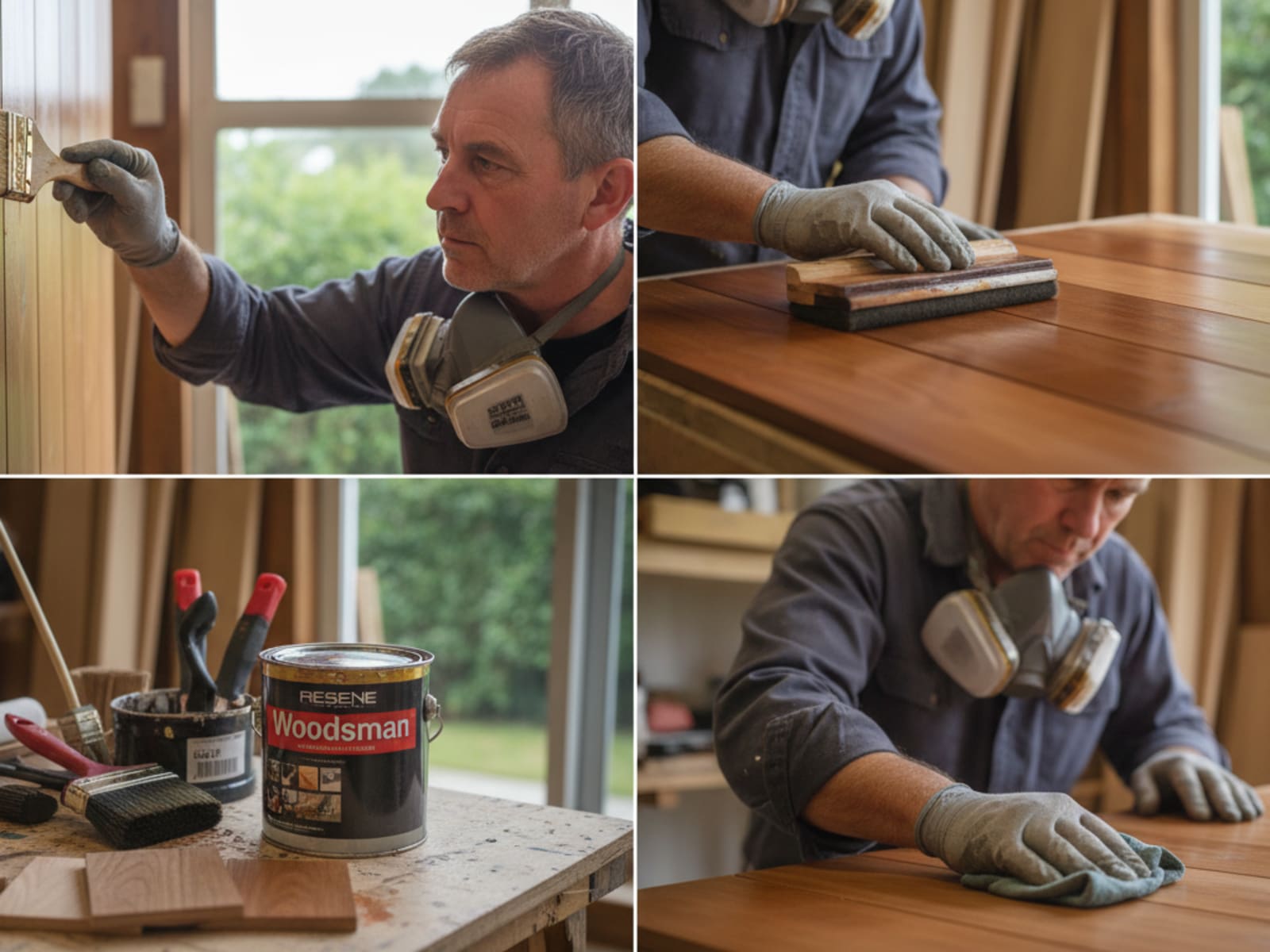
- Pressure washing and cleaning. Removes the treated mould, dirt, and old failing finish. We let the timber dry fully before going further, especially in a humid environment. No shortcuts here.
- Sanding and surface preparation. Restores the grain and gives the stain something to bond to. On original native timber we're careful not to oversand and remove material we don't need to.
- Stain application. Penetrating oil-based stain applied in two coats. On particularly porous or weathered timber we may apply a third coat to the most exposed areas.
- Timber repairs. Loose boards, damaged posts, and minor rot dealt with as part of the job. We're tradesmen, not just painters, so structural fixes are within scope.
Pricing Guide
Ngaio jobs often involve more preparation than a straightforward suburban deck. The moisture exposure and tendency toward mould means a clean, well-prepped surface takes more time. Here's what to expect:
- Deck staining: $15–$30 per m²
- Fence staining: $12–$25 per m²
- Small deck (15–20m²): $400–$800
- Large entertainment deck (30–50m²): $1,200–$2,000
- Full deck restoration with repairs: $1,500–$4,000
Character home verandahs with detailed joinery take longer than a flat deck, so we price these individually. Get in touch for an accurate quote based on your specific property.
Frequently Asked Questions
My deck is surrounded by bush and always seems damp. Will stain even hold?
It will, but timing and preparation matter. We won't stain over damp timber. Moisture trapped under a stain coat is the main reason stains fail early. We schedule Ngaio jobs during settled dry periods, and we use a moisture meter to confirm the timber is ready before applying anything. On the right day with the right prep, a penetrating oil stain will hold for 2–3 years even in a moist environment.
I have an older home with what I think is original native timber on the verandah. Can it still be stained?
Yes, and it's worth doing. Native timbers like rimu and matai are dense and hard, so they take stain differently to pine. They absorb less, so you need fewer coats, but the surface needs to be clean and lightly sanded to let it penetrate. We've worked on original Ngaio verandahs that were last done decades ago and brought them back well. The trick is using the right product for a dense hardwood, not a generic pine deck stain.
The timber on my deck has black patches. Is that mould or is the wood rotting?
Black patches are usually mould or tannin staining rather than rot. Rot tends to show up as soft, spongy areas. If you press with a screwdriver and the wood gives way, that's rot. Mould is surface-deep and treatable. We can assess this properly on-site. Even if there is some localised rot, it doesn't mean the whole deck is gone. Individual boards can be replaced and the rest treated.
How do I stop mould coming back after you've stained the deck?
A quality penetrating stain with a fungicide component helps a lot. Beyond that, improving air movement under and around the deck helps too. Clearing vegetation from directly against the deck boards makes a real difference. We'll give you specific advice based on your site after seeing the conditions.
Ngaio properties need a tradesman who understands bush-environment timber. Get in touch for a free site visit and quote.
Related Articles

Need Help With Your Painting Project?
Wellington Decorators has been transforming homes across the Wellington region since 2023, led by a founder with 18+ years in the trade. As Registered Master Painters, we back every job with a 5-year workmanship guarantee.
Prefer to talk? Call us now 027 458 6465