
Brown, sticky or glossy streaks running down freshly painted bathroom walls or ceilings are almost always surfactant leaching: ingredients in the waterborne paint drawn to the surface by steam before the film has cured. It is not mould, it does not usually mean the paint has failed, and in most cases it washes off with mild soapy water and a soft cloth.
It tends to show up in the first few weeks after painting, typically after the first few hot showers, and it can look alarming. The fix is cheap. The mistakes people make trying to fix it are what cost money.
What exactly is the brown stuff?
Waterborne paints contain surfactants, which are soap-like ingredients that help the paint mix, flow and wet the surface. Dulux describes them as critical to the paint's performance, and says all water based paints will show this tendency to some extent. Normally they stay in the film while it dries and cures. If the paint dries too slowly, or water condenses on it before it has cured, the surfactants migrate to the surface and are left behind when the water evaporates.
Dulux's technical advice on surfactant leaching describes the result as soapy, sticky or oily spots or glossy streaks, and says the colour can range from almost clear, through whitish, to shades of tan, brown or orange. Resene describes the same thing on its paint care page as white streaks giving a watermark effect, and says waterborne interior products are especially vulnerable when moisture settles on the film, such as in a steamy bathroom.
The typical pattern is runs or drips that start where condensation collects: the ceiling above the shower, the top of the wall behind it, around the extractor fan. On a white or light ceiling the brown streaks look like something is dripping through from above, which is why people panic.

How can you tell it is not mould or a leak?
The differences are usually obvious once you know what to look for.
| What you see | Surfactant leaching | Mould | Water from a leak |
|---|---|---|---|
| Timing | Weeks after new paint, after showers | Builds up over months | Any time, often after rain or a shower upstairs |
| Look | Tan, brown, orange or glossy runs and drips | Black, grey or green spots and clusters | Rings or tide marks, often with bubbling or soft plaster |
| Feel | Sticky, soapy or oily | Powdery or fuzzy | Damp, sometimes soft |
| Wash test | Comes off with mild soapy water | Stains and regrows unless killed | Comes back through new paint |
If you see spotty dark growth rather than runs, read our guide to mould and mildew before painting.
If there is bubbling or the paint is lifting, that is a different problem, covered in why bathroom ceiling paint keeps bubbling.
How do you wash it off without damaging the paint?
Gently. The paint underneath is still soft and can be burnished or marked if you scrub it.
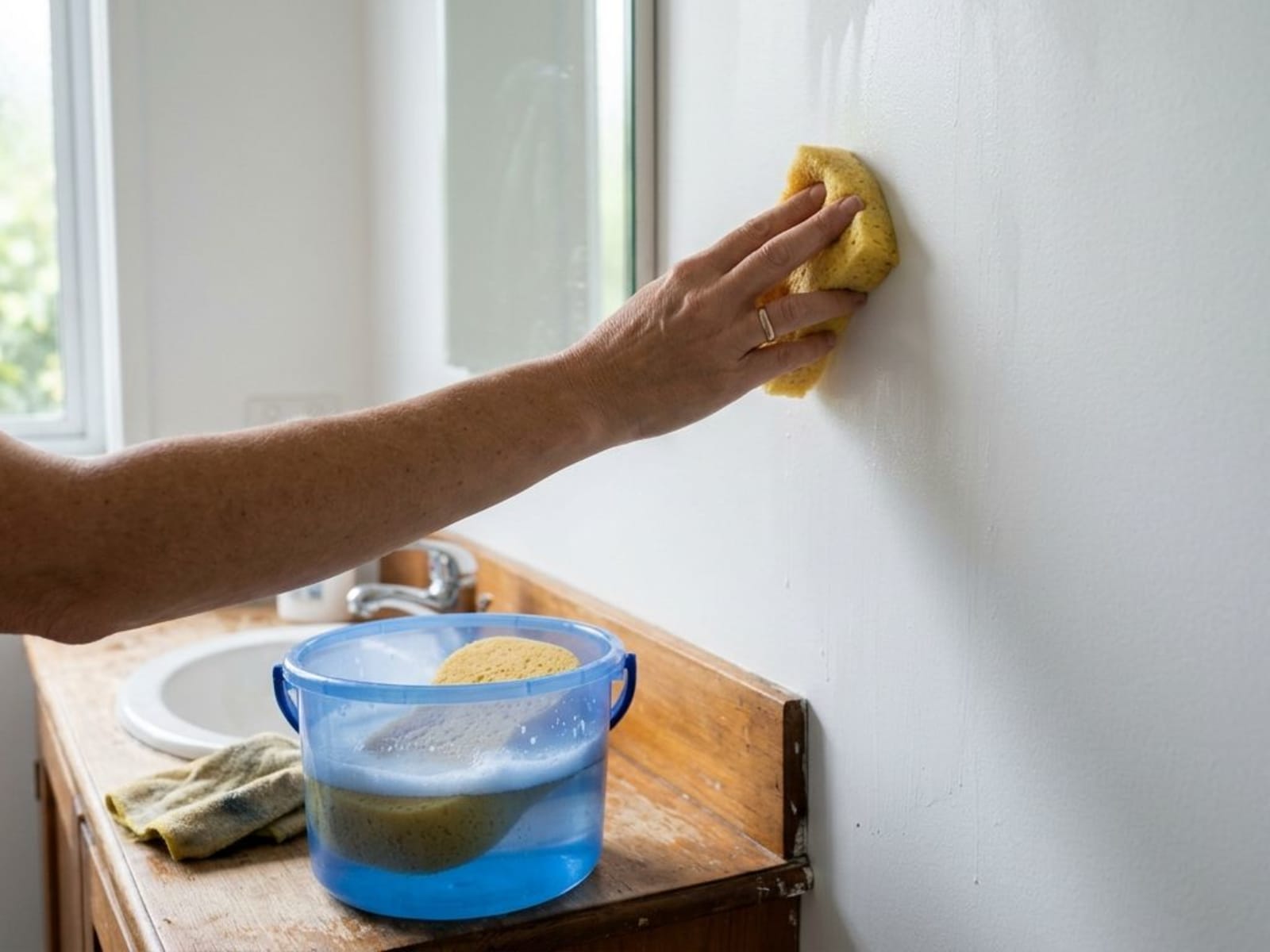
- Mix a mild solution of lukewarm water and a little dishwashing liquid.
- Wipe the streaks with a soft cloth or sponge. Do not use a scourer, a magic eraser or anything abrasive.
- Rinse with clean water and a fresh cloth, so no soap residue is left to dry on the wall.
- Let it dry, with the window open or the fan running.
Dulux's advice is to wash it off with a mild soapy solution and a soft cloth or sponge, followed by a thorough rinse, once the paint has had about a week to cure and harden. Resene's advice is to clean the surface early. The practical middle ground is to wait until the paint feels properly hard to the touch, then wash with a light hand rather than rubbing.
Expect it to come back. Dulux notes that under severe conditions the leaching may reappear once or twice until all the surfactant has been removed, and that it gets progressively less noticeable. Wash it again the same way each time it shows.
Does it mean the paint job is faulty?
Not usually. Dulux states that the leached surfactant does not lessen the durability of the paint film. It is a timing and conditions problem rather than a product failure: the paint met steam before it had cured.
There are two situations where it is worth asking more questions. The first is if the paint used was not a bathroom or wet-area product at all. A standard low sheen wall paint on a bathroom ceiling will struggle for reasons that go well beyond surfactant. The second is staining that will not wash out. Dulux says that in rare cases the leached material can stain the surface, which would then need a repaint once the surface has been washed and the paint has cured. Painting straight over the sticky residue without washing it first gives the new coat a poor surface to grip.
How do you stop it happening next time?
Give the paint time and dry air before it sees steam. The specifics:
- Keep the shower off as long as you can. Dulux recommends letting fresh paint in bathrooms, kitchens and laundries fully cure and harden before exposing it to steam, condensation or high humidity, and says interior paint takes approximately seven days to cure and become washable, longer in cold or humid conditions. If the household has one bathroom, plan the painting around a stretch where people can shower elsewhere.
- Ventilate. Run the extractor fan and open the window during and after painting. Resene's care guidance stresses keeping good ventilation throughout the drying period.
- Avoid cold, damp painting days. A cold bathroom in a Wellington winter dries paint slowly, which is exactly the condition that lets surfactants rise. Warm the room gently, but do not use an unflued gas heater, which adds water vapour to the air.
- Use the right product. Bathrooms and ceilings above showers want a paint made for wet areas. The data sheet on the tin will say whether it is.
The longer difference between paint feeling dry and actually being cured is explained in drying time versus curing time.

When is this not a DIY job?
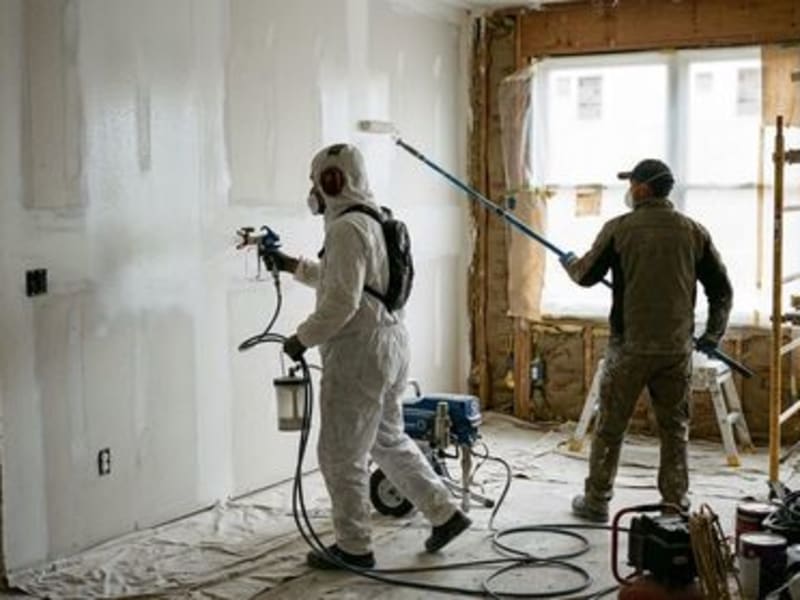
Washing off surfactant is a DIY job, full stop. Nobody needs to pay a painter to wipe a ceiling. It becomes a professional job when the paint is bubbling, peeling or growing mould underneath, when the stain will not wash out, or when the room has a ventilation problem that keeps putting the finish under stress. Those need the cause fixed, then proper preparation and a wet-area paint system.
If your bathroom needs more than a wash, contact us for a free quote.
Related Articles


Need Help With Your Painting Project?
Wellington Decorators has been transforming homes across the Wellington region since 2023, led by a founder with 18+ years in the trade. As Registered Master Painters, we back every job with a 5-year workmanship guarantee.
Prefer to talk? Call us now 027 458 6465