
Gib stopping quotes in Wellington range from $8 to $60 per square metre. That's an 8x price difference for what looks like the same job.
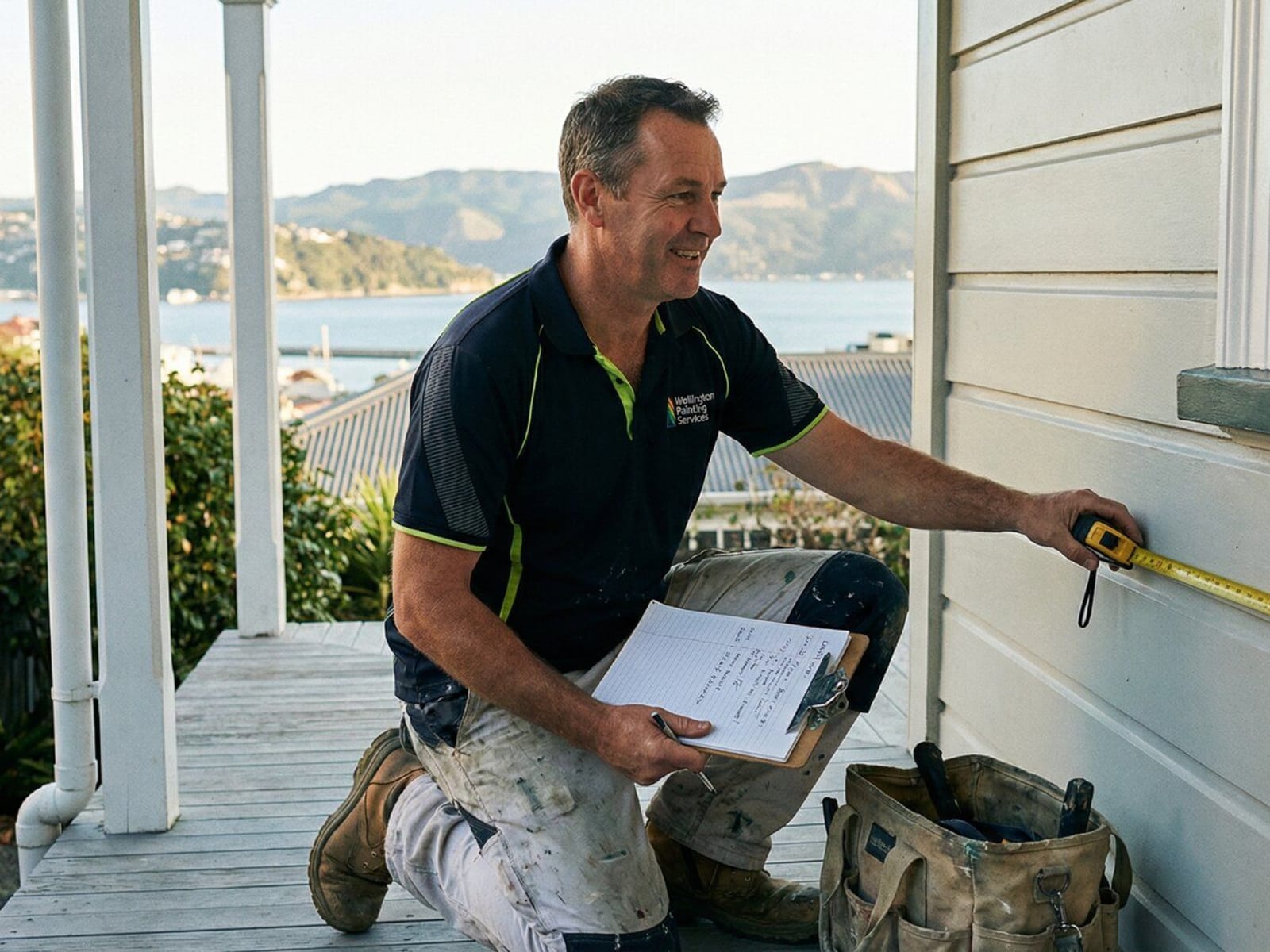
Understanding why costs vary helps you compare quotes accurately and avoid paying for quality you don't need — or getting poor quality because you chose the cheapest option.
Cost Per Square Metre by Level
Gib stopping pricing depends primarily on finish level:
Level 1: Fire Taping
$8-12 per sqm
- Tape joints for fire rating only
- No compound over tape
- Screw heads exposed
- Not suitable for painting
When used: Behind tiles, fire-rated concealed areas
Level 2: Rough Coat
$12-18 per sqm
- Single coat over tape
- Screw holes filled once
- Visible imperfections acceptable
When used: Garages, storage rooms, areas behind wallpaper
Level 3: Standard Residential
$18-28 per sqm
- 2-3 coats over joints
- Screws filled 2-3 times
- Sanded smooth
- Paint-ready finish
When used: 90% of residential walls and ceilings
Level 4: High-Quality Finish
$28-40 per sqm
- Multiple coats
- Extensive sanding
- Very smooth finish
- Suitable for gloss paints
When used: Feature walls, critical lighting, high-end homes
Level 5: Skimmed Finish
$40-60 per sqm
- Full skim coat over entire surface
- Perfect finish
- Commercial quality
When used: Showrooms, luxury homes, critical lighting situations
Most Wellington homes use Level 3 — the sweet spot between cost and quality.
Room-Based Pricing Examples
Small Bedroom (3m x 3m)
Dimensions:
- Floor area: 9sqm
- Ceiling: 9sqm
- Walls (2.4m height): 28sqm
- Total gib surface: 37sqm
Level 3 Cost: $665-1,035
Medium Bedroom (4m x 3.5m)
Dimensions:
- Floor area: 14sqm
- Ceiling: 14sqm
- Walls: 36sqm
- Total gib surface: 50sqm
Level 3 Cost: $900-1,400
Living Room (5m x 4m)
Dimensions:
- Floor area: 20sqm
- Ceiling: 20sqm
- Walls: 43sqm
- Total gib surface: 63sqm
Level 3 Cost: $1,135-1,765
Kitchen (4m x 3m)
Dimensions:
- Floor area: 12sqm
- Ceiling: 12sqm
- Walls: 33sqm
- Total gib surface: 45sqm
Level 3 Cost: $810-1,260
Bathroom (2.5m x 2m)
Dimensions:
- Floor area: 5sqm
- Ceiling: 5sqm
- Walls: 21sqm
- Total gib surface: 26sqm
Level 3 Cost: $470-730
Note: Bathrooms often have less gib due to tiled areas (lower total cost).
Whole House Pricing
Small House (100sqm floor area)
Approximate gib surface: 300-350sqm
- Level 2: $3,600-6,300
- Level 3: $5,400-9,800
- Level 4: $8,400-14,000
Medium House (150sqm floor area)
Approximate gib surface: 450-500sqm
- Level 2: $5,400-9,000
- Level 3: $8,100-14,000
- Level 4: $12,600-20,000

Large House (200sqm floor area)
Approximate gib surface: 600-650sqm
- Level 2: $7,200-11,700
- Level 3: $10,800-18,200
- Level 4: $16,800-26,000
New Build vs Renovation Costs
New Build Gib Stopping
Advantages:
- Clean, undamaged gib board
- All joints fresh and consistent
- No existing paint or finishes
- Easier access (before flooring/fixtures)
Cost: Base rates ($18-28/sqm for Level 3)
Renovation Gib Stopping
Additional challenges:
- Matching existing finishes
- Working around fixtures and flooring
- Repairing damaged sections
- Dustier (occupied homes)
Cost: Often 15-30% higher than new build rates
Repair Work
Small repairs (holes, cracks):
- Minimum call-out: $150-300
- Per-repair pricing: $50-150 per hole/crack
- Often combined with painting for better value
Factors Affecting Gib Stopping Cost
1. Ceiling Height
Standard (2.4m): Base rate
High (2.7m-3m): Add 10-20%
Very high (3m+): Add 20-40% (scaffolding required)
Taller ceilings mean more wall surface area and difficult overhead work. Wellington villas and bungalows often have 2.7m-3m stud heights, which pushes gib stopping costs above the standard residential baseline.
2. Access and Site Conditions
Easy Access: Base rate
Stairs/Multiple Levels: Add 10-15%
Difficult Access (scaffolding): Add 20-40%
Occupied Homes (dust protection): Add 10-20%
Wellington's hilly terrain and split-level homes add complexity. Properties in Kelburn, Karori, or Northland with steep driveways or tight access can increase mobilisation costs by $100-300 per day.
3. Surface Condition
New Gib Board: Base rate
Minor Repairs: Add $50-200
Extensive Repairs: Add $200-800+
Water Damage Replacement: Gib board replacement + stopping costs
4. Region Within Wellington
Central Wellington (CBD, Mount Vic, Oriental Bay): Base to +10%
Suburban (Johnsonville, Karori, Miramar): Base rate
Outer Areas (Upper Hutt, Lower Hutt, Porirua): Base to -10%
Travel time and parking affect pricing. Inner-city apartment jobs in suburbs like Te Aro or Thorndon often carry a parking/access surcharge.
5. Project Size
Single Room: Higher per-sqm rate (setup costs spread over small area)
Whole House: Lower per-sqm rate (economies of scale)
Multi-Unit/Commercial: Negotiated rates for large volumes
6. Timing and Urgency
Standard Timeline: Base rate
Rush Jobs: Add 20-50%
Off-Peak (Winter): Potential discounts
Peak Season (Spring/Summer): Premium rates possible
7. Compound Type
Standard All-Purpose: Included in base rate
Lightweight Compound: Similar pricing, easier sanding
Specialized Compounds: Add 10-15% (moisture-resistant, flexible)
Wellington-Specific Gib Stopping Considerations
Wellington's climate creates unique challenges for interior plastering and gib work that affect both cost and process:
Humidity and Drying Times
Wellington averages 80%+ relative humidity on many days of the year. High humidity slows compound drying between coats, meaning stoppers may need to allow extra time between applications — particularly in winter months (June to August). This can extend project timelines by 20-30% compared to drier cities.
Practical impact: A 3-day stopping job in Auckland may take 4-5 days in Wellington. Professional stoppers account for this in their scheduling, but it's worth asking any contractor how they manage drying times.
Older Character Homes
Wellington has a high concentration of pre-1970s homes — villas, bungalows, and state houses — many of which have existing plaster walls alongside gib board. Matching gib stopping to existing plaster finishes requires additional skill and time, typically adding 15-25% to standard rates.
If your home has the original lath-and-plaster walls in some rooms and gib in others, ensure your stopper has experience working with both substrates for a seamless result.
Seismic Repair Context
Following Kaikoura (2016) and ongoing Wellington seismic activity, many homeowners have gib stopping requirements from earthquake damage repairs. Insurance-funded work follows standard rates, but documentation and coordination with assessors can add project management time. Always confirm whether quotes are GST-exclusive or inclusive when submitting for insurance claims.
What's Included in Quotes
Professional gib stopping quotes should include:
Materials
- Gib stopping compound
- Paper or mesh tape
- Corner beads
- Sandpaper and consumables
Labour
- Application of coats (specified number)
- Sanding and finishing
- Cleanup and dust removal
Site Preparation
- Drop sheets and floor protection
- Furniture covering (if required)
- Dust extraction systems
Quality Assurance
- Final inspection
- Touch-ups if needed
- Workmanship warranty (typically 12-24 months)
What's Usually NOT Included
Gib Board Installation
Quotes typically cover stopping only, not:
- Gib board supply
- Gib board installation/fixing
- Framing or structure
Some contractors offer combined packages.

Painting
Gib stopping creates paint-ready surfaces but doesn't include:
- Primer coats
- Paint application
- Final painting finish
Many offer combined gib stopping + painting packages for better value.
Extensive Repairs
Beyond minor filling:
- Replacing damaged gib board sections
- Structural timber repairs
- Mould remediation
Other Trades
- Electrical (moving light switches/outlets)
- Plumbing (if affecting gib work)
DIY Cost Comparison
Materials for Standard Bedroom (40sqm)
- Compound (2-3 buckets): $80-120
- Tape: $15-25
- Corner beads: $20-40
- Sandpaper: $20-30
- Primer: $40-60
- Total materials: $175-275
Tools (if you don't own)
- Taping knives set: $80-150
- Mud pan: $25-40
- Sanding pole: $40-70
- Total tools: $145-260
DIY Total: $320-535 (plus your time and learning curve)
Professional: $720-1,120 (perfect finish, warranty, fast completion)
Is DIY worth it? For small repairs, yes. For whole rooms or homes, professional work typically delivers better value. Gib stopping is one of those trades where the quality gap between amateur and professional is immediately visible under raking light — and even more obvious after painting.
Cost-Saving Strategies
1. Combine with Painting
Gib stopping + painting packages often cost 10-15% less than separate quotes. Wellington Decorators offers combined interior packages that bundle stopping, priming, and painting for a single fixed price.
2. Choose Appropriate Level
Don't pay for Level 5 if Level 3 meets your needs (which it does for 90% of homes). The only scenarios where Level 5 makes sense are showrooms, executive homes with dramatic raking light from large windows, or spaces painted in high-sheen finishes.
3. Do Your Own Prep
Moving furniture and covering items yourself saves labour costs.
4. Flexible Timing
Allow contractors to schedule during quieter periods for better rates. Wellington's winter (June-August) typically sees lower demand for interior work — stoppers may offer 5-10% discounts to fill schedules.
5. Bundle Multiple Rooms
Whole-house projects receive better per-sqm rates than single rooms. If you're renovating, stop the entire house in one go rather than returning to individual rooms over time.
Red Flags in Quotes
Watch for:
Extremely Low Prices — Likely poor quality or hidden costs
No Level Specification — What standard are they providing?
Vague Scope — "Gib stopping" without details on coats, sanding, finish
No Warranty — Reputable contractors guarantee workmanship
Cash-Only Deals — Tax avoidance and no consumer protection
Getting Accurate Quotes
For comparable quotes:
- Specify Finish Level — Request Level 3 (or your preferred level)
- Measure Accurately — Provide floor plans or measurements
- Clarify Inclusions — Materials, prep, cleanup, warranty
- Multiple Quotes — Get 3 quotes for comparison
- Check References — View previous work if possible
Frequently Asked Questions
How long does gib stopping take to dry between coats?
Each coat typically requires 4-8 hours drying time in normal conditions. In Wellington's high humidity, expect 8-12 hours between coats. Full cure before sanding is usually 24 hours. Rushing drying with excessive heat can cause cracking.
Can gib stopping be done in winter in Wellington?
Yes — gib stopping is an interior trade and can be performed year-round. However, adequate ventilation and heating are required to ensure proper drying. Experienced Wellington stoppers adjust their scheduling and product selection for winter conditions.
How do I know if my gib stopping needs redoing?
Signs include visible joint lines showing through paint, cracks at corners or along joints, nail pops (screws pushing through), or uneven surfaces visible under direct light. These are all fixable without replacing the entire gib board.
Do I need to vacate my home during gib stopping?
Not usually. Modern dust extraction systems keep mess manageable. However, expect significant dust in adjacent rooms. Most homeowners find it easiest to complete one section of the house at a time rather than all rooms simultaneously.
What's the difference between gib stopping and plastering?
Gib stopping refers specifically to finishing plasterboard joints and surfaces. Traditional plastering involves applying wet plaster to a substrate (lath, wire, or masonry). Many Wellington homes have a mix of both — original plaster walls in older sections and gib board in additions or renovations.
Investment Value
Quality gib stopping delivers:
Long-Term Durability — Proper finishing prevents cracks and issues
Better Paint Results — Smooth surfaces showcase paint quality
Property Value — Professional finishes increase home value
Fewer Callbacks — Quality work doesn't need redoing
Cheap gib stopping often needs re-work within 1-3 years. Given that re-stopping a room typically costs almost as much as the original job (you still need to repaint afterwards), cutting corners on the first pass rarely saves money overall.
Get Accurate Gib Stopping Quotes
Understanding costs helps you make informed decisions and choose contractors offering genuine value, not just low prices.
Ready for professional gib stopping?
Wellington Gib Stopping Specialists
Level 3-5 Finishes | Transparent Pricing | Registered Master Painters
Get smooth, paint-ready walls at fair prices.
Local Gib Stopping Services
Need gib stopping in your area? We provide professional gib stopping services across Wellington suburbs including Hataitai, Island Bay, Brooklyn, Wadestown. Get a free quote for your project today.
Related Articles


Need Help With Your Painting Project?
Wellington Decorators has been transforming homes across the Wellington region since 2023, led by a founder with 18+ years in the trade. As Registered Master Painters, we back every job with a 5-year workmanship guarantee.
Prefer to talk? Call us now 027 458 6465