
"Do you do plastering?" is a common question we receive. The answer depends on what you mean by "plastering."
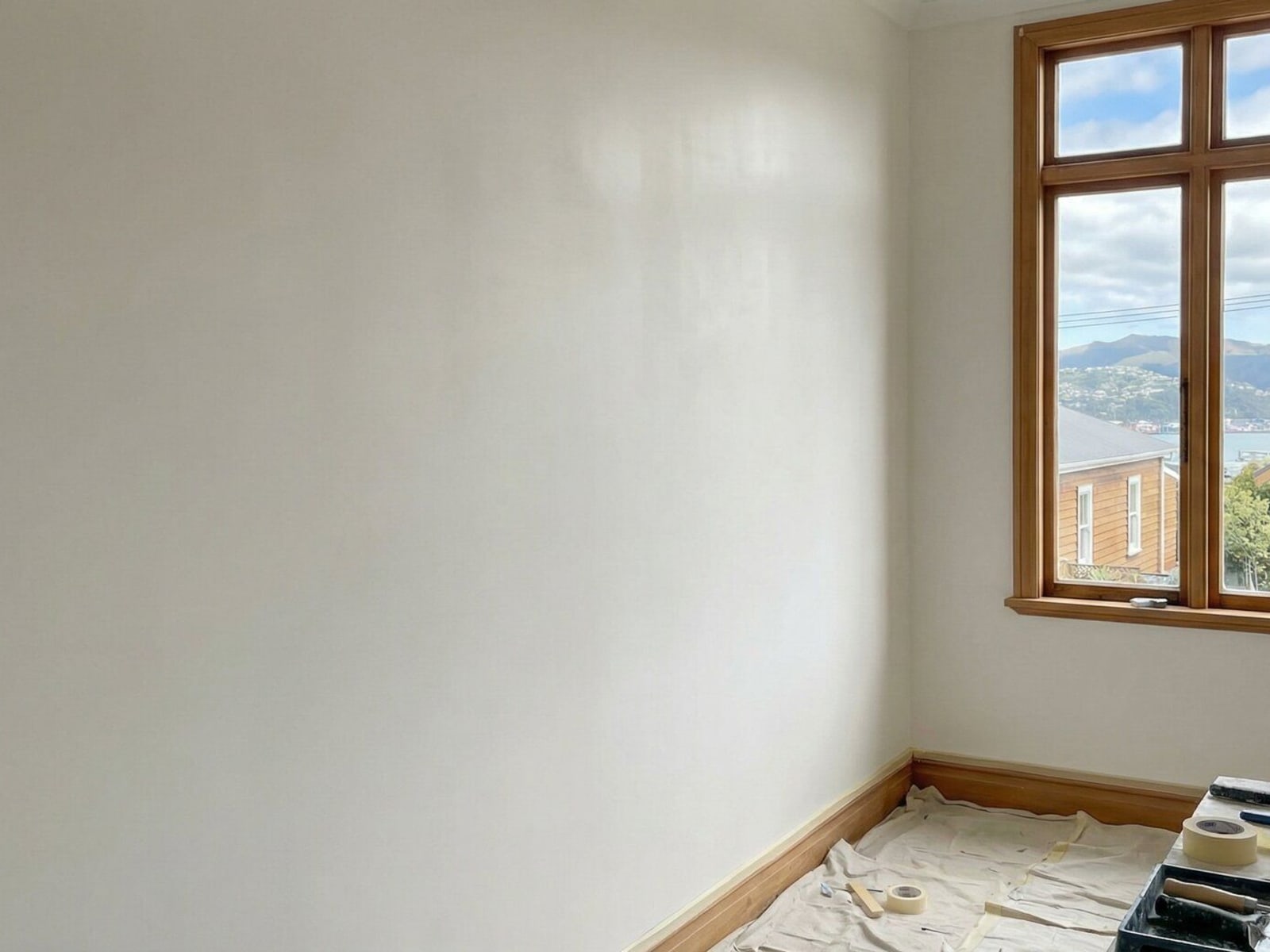
In New Zealand, particularly Wellington, the terminology confuses homeowners because we use "plastering" to mean two completely different things.
This guide clarifies the confusion.
The Two Meanings of "Plastering" in NZ
1. Gib Stopping (Plasterboard Finishing)
What people usually mean:
- Finishing gib board joints and screw holes
- Creating smooth paint-ready surfaces
- "Stopping and filling"
- Modern NZ construction method
Also called: Gib stopping, plasterboard finishing, drywall finishing
2. Traditional Plastering
What the term historically means:
- Applying wet plaster over timber lath or brick
- Building up plaster thickness on walls
- Old villa and heritage home method
- Rarely used in new NZ construction
Also called: Wet plastering, lath and plaster, solid plastering
In most conversations, "plastering" means gib stopping. But understanding both is useful.
Gib Stopping Explained
What It Is
Gib stopping finishes plasterboard (gib board) walls:
- Plasterboard sheets fixed to timber or steel framing
- Joints between sheets taped
- Tape covered with stopping compound (2-3 coats)
- Screw holes filled
- Sanded smooth
- Ready for painting
Materials Used
- Gib board – Pre-made plasterboard sheets (typically 1200mm x 2400mm x 10-13mm)
- Stopping compound – Joint compound or "mud"
- Paper tape – Reinforces joints
- Primer – Seals surface before painting
Where Used
- New builds – 95%+ of modern NZ homes
- Renovations – Most interior wall updates
- Additions – Extensions and new rooms
- Commercial – Offices, retail, apartments
Advantages
- ✓ Fast installation – Entire house in days
- ✓ Cost-effective – Lower material and labour costs
- ✓ Consistent quality – Manufactured sheets ensure flatness
- ✓ Insulation-friendly – Easy to add batts between studs
- ✓ Electrical access – Simple to run wiring before boarding
- ✓ Lightweight – Less structural load
Disadvantages
- ✗ Damage-prone – Easier to dent or puncture than solid plaster
- ✗ Sound transmission – Less sound insulation than thick plaster (without additional measures)
- ✗ Perceived quality – Some view as "cheaper" than solid plaster
- ✗ Moisture sensitivity – Standard gib not suitable for wet areas (use moisture-resistant variants)
Traditional Plastering Explained
What It Is
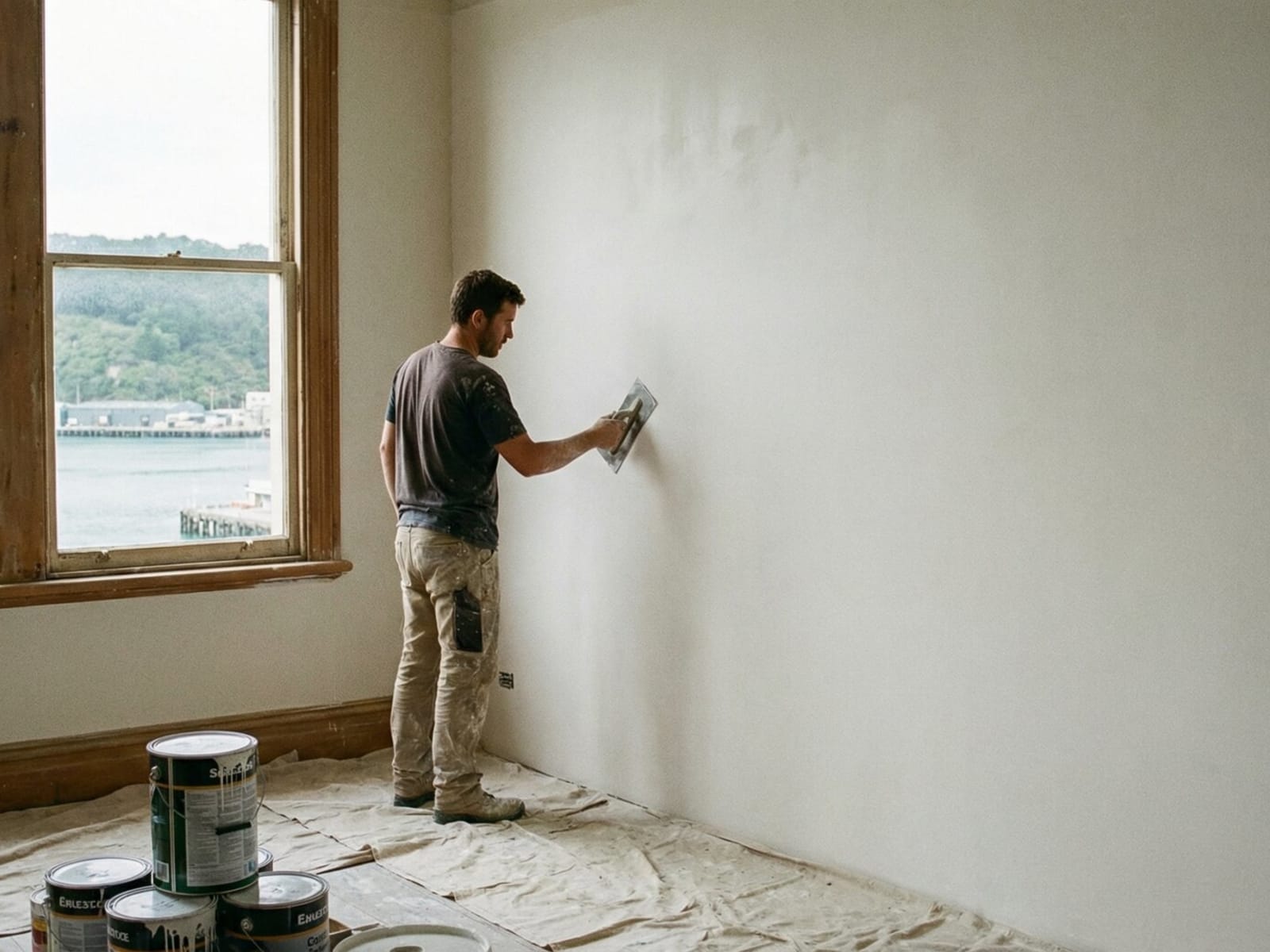
Wet plaster applied in layers over lath or masonry:
- Timber lath (thin strips) nailed to studs, or brick/block walls
- Base coat (scratch coat) pushed through lath gaps
- Second coat (brown coat) builds thickness
- Finish coat (skim coat) creates smooth surface
- Cures over days/weeks
- Ready for painting
Materials Used
- Timber lath – Thin wooden strips (or metal lath)
- Lime plaster or gypsum plaster – Mixed on-site
- Aggregate – Sand mixed with plaster
- Finishing plaster – Fine top coat
Where Used Today
- Heritage restorations – Villas, character homes
- Repairs to existing plaster – Matching old construction
- High-end custom builds – Clients wanting traditional methods
- Specific architectural requirements
Advantages
- ✓ Durability – Very hard surface when cured
- ✓ Sound insulation – Thick plaster blocks sound well
- ✓ Thermal mass – Helps regulate temperature
- ✓ Fire resistance – Excellent fire rating
- ✓ Prestige – Perceived as premium construction
- ✓ Repairable – Can patch and match texture
Disadvantages
- ✗ Slow process – Weeks for curing and multiple coats
- ✗ Expensive – Higher material and specialist labour costs
- ✗ Heavy – Requires stronger framing
- ✗ Skill-intensive – Fewer tradespeople with traditional plastering skills
- ✗ Cracking risk – Movement in timber framing causes cracks
- ✗ Difficult renovations – Hard to modify walls or run new wiring
Cost Comparison
Gib Stopping (per sqm)
- Level 3 finish: $18-28/sqm
- Gib board installation: $25-40/sqm
- Combined (board + stop): $43-68/sqm
Standard bedroom (40sqm): $1,720-2,720
Traditional Plastering (per sqm)
- Base and finish coats: $80-150/sqm
- Lath installation: $20-40/sqm (if needed)
- Combined: $100-190/sqm
Standard bedroom (40sqm): $4,000-7,600
Traditional plastering costs 2-3x more than gib stopping.
When to Choose Gib Stopping
- ✓ New builds – Standard modern construction
- ✓ Renovations – Cost-effective wall updates
- ✓ Speed matters – Fast turnaround needed
- ✓ Budget constraints – Best value for money
- ✓ Non-heritage homes – Modern or mid-century properties
Gib stopping is the right choice for 95% of projects in Wellington.
When to Choose Traditional Plastering
- ✓ Heritage restoration – Matching existing villa plaster
- ✓ Council requirements – Heritage protection areas
- ✓ Repairs to existing plaster walls – Maintaining consistency
- ✓ High-end custom builds – Client preference for traditional methods
- ✓ Specific acoustic needs – Maximum sound insulation
Traditional plastering is specialist work for specific situations.
Common NZ Confusion Points
"Plastering" Usually Means Gib Stopping
When Wellington homeowners say:
- "I need plastering done"
- "Can you plaster my walls?"
- "How much for plastering?"
They almost always mean gib stopping, not traditional wet plastering.
"Plasterer" Can Mean Two Things
- Modern plasterer – Specializes in gib stopping and plasterboard
- Traditional plasterer – Specializes in wet plaster and heritage work
Most "plasterers" in Wellington do gib stopping, not traditional plastering.

External Plastering is Different Again
"Exterior plastering" in NZ often refers to:
- Plaster cladding systems (like Rockcote, Resene X-200)
- Applied over rigid air barrier or polystyrene
- Completely different from interior gib stopping or traditional plastering
Hybrid Approach: Gib Board with Plaster Skim
Some high-end projects use:
- Gib board installation (fast, consistent)
- Full skim coat of plaster over entire surface (smooth, premium finish)
- Combines speed of gib with finish quality of plaster
Cost: $40-60/sqm (similar to Level 5 gib stopping)
This delivers premium finish without full traditional plastering costs.
Repairing Traditional Plaster in Wellington Villas
Many Wellington villas have original plaster over lath:
Common Issues
- Cracks from building movement or earthquakes
- Detached plaster (sounds hollow when tapped)
- Water damage
- General deterioration
Repair Options
- Patch repairs – Fill cracks and holes with plaster
- Re-plaster sections – Remove damaged areas, replaster
- Over-gib – Install gib board over old plaster (loses character details)
- Full replacement – Remove all plaster, install gib (significant work)
Most villa owners prefer maintaining original plaster for character and value.
Which is Better?
For modern homes: Gib stopping wins
- Cost-effective
- Fast
- Consistent quality
- Easy to maintain
For heritage homes: Traditional plastering (repairs only)
- Maintains character
- Preserves value
- Meets heritage requirements
There's no "better" in absolute terms — only what's appropriate for your specific project.
Understanding Gib Stopping Levels
Not all gib stopping is equal. The industry uses a standardised level system to define finish quality. Knowing which level you need prevents paying for more than necessary — or accepting less than the job requires.
Level 1 – Tape embedded in compound over joints and fasteners. Used in areas not normally visible (above ceilings, in service corridors). Not suitable for painting.
Level 2 – One coat of compound over tape and fasteners. Used in garages, storage areas, or where texture coatings will be applied. Not suitable for flat paint finishes.
Level 3 – Two coats of compound, sanded. Suitable for medium or heavy texture coatings and where a flat paint finish is acceptable. This is the standard for most New Zealand residential work.
Level 4 – Three coats of compound, sanded smooth. Suitable for light texture finishes, semi-gloss or satin paints. Required in better-quality residential renovations and most commercial spaces.
Level 5 – Level 4 plus a skim coat of compound over the entire surface. Delivers the flattest possible gib finish. Required for gloss or semi-gloss paints where raking light will reveal any surface variation. Used in high-end residential, executive offices, and hospitality fit-outs.
Most homeowners renovating in Wellington need Level 3 or Level 4. If you're using gloss paint or have feature lighting that will rake across the walls, specify Level 5.
Why Paint and Gib Stopping Work Together
The quality of your paint finish is only as good as the surface beneath it. This is something many homeowners discover too late — after they've had walls painted only to find joints and screw holes telegraphing through the finish coat.
Paint does not hide gib stopping defects. In fact, paint makes them more visible. A flat ceiling under bright light will reveal every imperfect joint. A satin wall under natural light will show every screw hole that was inadequately filled. Gloss paint on a Level 3 stop is a guarantee of disappointment.
The relationship between stopping quality and paint selection matters:
- Flat/matte paint: tolerates Level 3 stopping
- Low sheen/eggshell: needs Level 4 minimum
- Satin: needs Level 4, ideally Level 5 in feature areas
- Semi-gloss: Level 5 required
- Gloss: Level 5 mandatory
If you're working with a painter who also does gib stopping, they can coordinate these decisions and take responsibility for the end result. If you're using separate trades, make sure both understand the finish specification before any work begins.
Gib Stopping for Earthquake Repairs in Wellington
Wellington sits on active fault lines. The 2016 Kaikoura earthquake caused widespread cosmetic damage to interior walls across the region — hairline cracks at gib joints, cracked stopping compound at corners, and in some cases, larger cracks where gib boards shifted at their edges.
Repairing earthquake damage to gib stopping is common work for Wellington tradespeople. The process involves:
- Assessing whether cracks are cosmetic or indicate structural movement
- For cosmetic cracks: cutting back, re-taping, and re-stopping
- For structural cracks: working with a structural engineer before plastering
- Applying fresh paint to match existing finishes
Do not simply fill and paint over earthquake cracks without understanding their cause. A crack that recurs after repair is telling you there is ongoing movement — and that needs a different solution than more compound.
Finding the Right Contractor
For Gib Stopping
Look for:
- Registered Master Painters (many also do gib stopping)
- Trade-qualified plasterers specializing in plasterboard
- Portfolio of modern homes
For Traditional Plastering
Look for:
- Heritage restoration specialists
- Experienced with lath and plaster
- References from villa or character home projects
Always clarify what type of "plastering" you need and what they specialize in.
Frequently Asked Questions
How long does gib stopping take to dry before painting?
Stopping compound needs to be fully dry before painting — typically 24-48 hours per coat in normal Wellington conditions. In winter or during humid periods, allow longer. Painting over damp compound causes bubbling, cracking, and adhesion failure. A good painter will not rush this step.
Can I paint directly over gib board without stopping?
No. Unprepared gib board absorbs paint unevenly, the paper facing shows through, and joints are visible. Stopping and priming are essential steps, not optional extras.
My walls have been painted before. Do I need stopping before repainting?
For a repaint over previously painted and stopped gib board in good condition: no. Minor holes, cracks, and dents should be filled before the new coat, but full re-stopping is not necessary unless there is significant damage.
What is the best stopping compound to use?
For most Wellington residential projects, a quality pre-mixed compound from Gib or similar manufacturers works well. These are moisture-resistant, easy to sand, and widely available. For high-humidity areas like bathrooms, use moisture-resistant compound and moisture-resistant gib board.
Should I hire a painter who also does gib stopping, or use separate trades?
For most residential projects, a painter who does gib stopping offers better value and accountability — one trade, one point of contact, and ownership of the end result. For large commercial projects or new builds with significant board-and-stop scope, specialist plasterers may be more efficient. Ask what the contractor's model is and how they coordinate between trades.
Get the Right Finish for Your Home
Whether you need modern gib stopping or traditional plaster repairs, using the right method and skilled contractors ensures quality results.
Ready to discuss your project?
Wellington Plastering & Gib Stopping Specialists
Modern Gib Finishing | Villa Plaster Repairs | Registered Master Painters
Get the perfect finish for your walls.

Local Gib Stopping Services
Need gib stopping in your area? We provide professional gib stopping services across Wellington suburbs including Island Bay, Brooklyn, Wadestown, Johnsonville. Get a free quote for your project today.
Related Articles


Need Help With Your Painting Project?
Wellington Decorators has been transforming homes across the Wellington region since 2023, led by a founder with 18+ years in the trade. As Registered Master Painters, we back every job with a 5-year workmanship guarantee.
Prefer to talk? Call us now 027 458 6465