
The healthy homes standards say nothing about paint. All five of them, heating, insulation, ventilation, moisture ingress and drainage, and draught stopping, are about a building's ability to stay warm and dry, so a rental cannot fail a healthy homes assessment because the hallway is scuffed or the bedroom is a colour nobody likes.
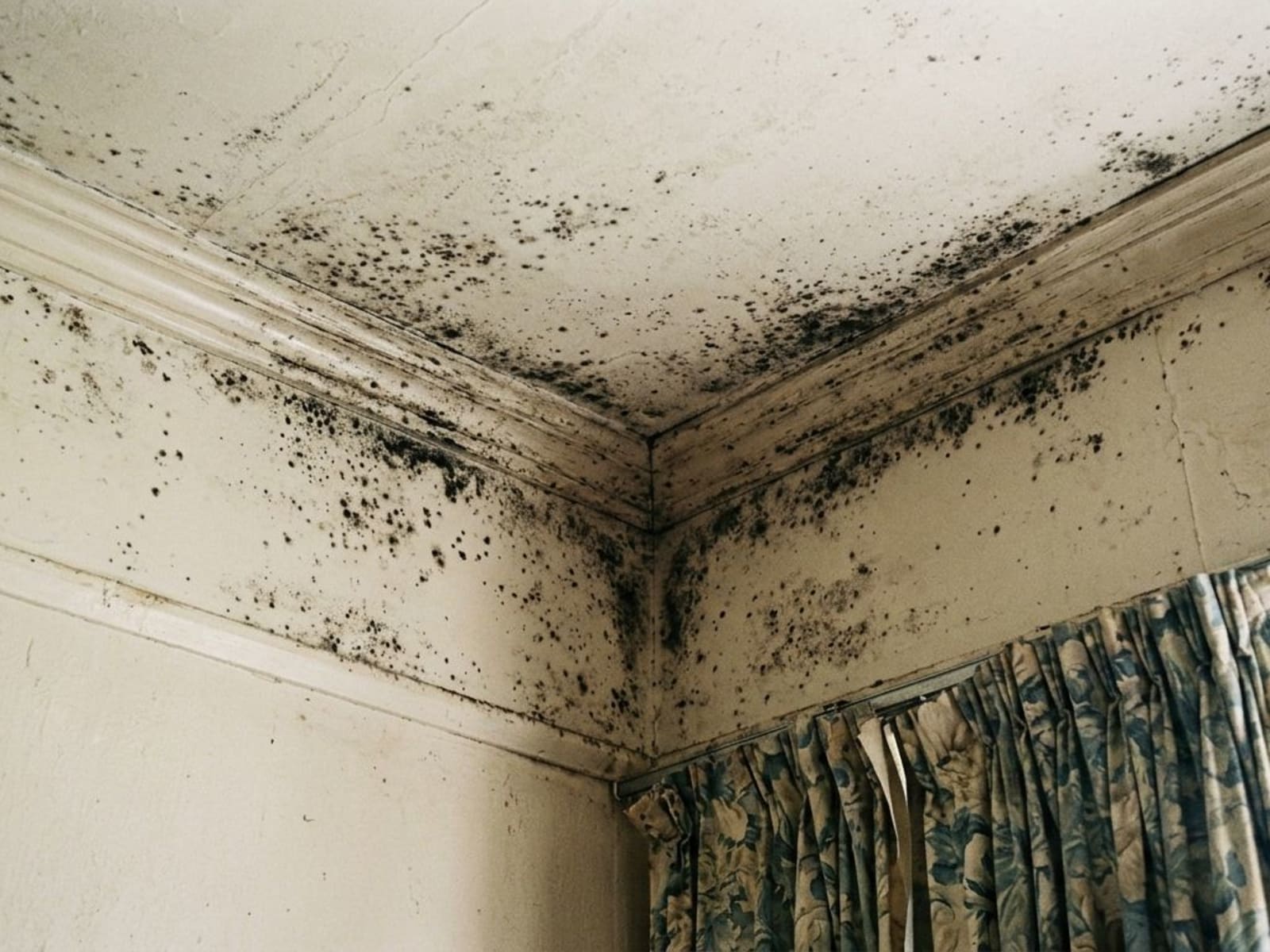
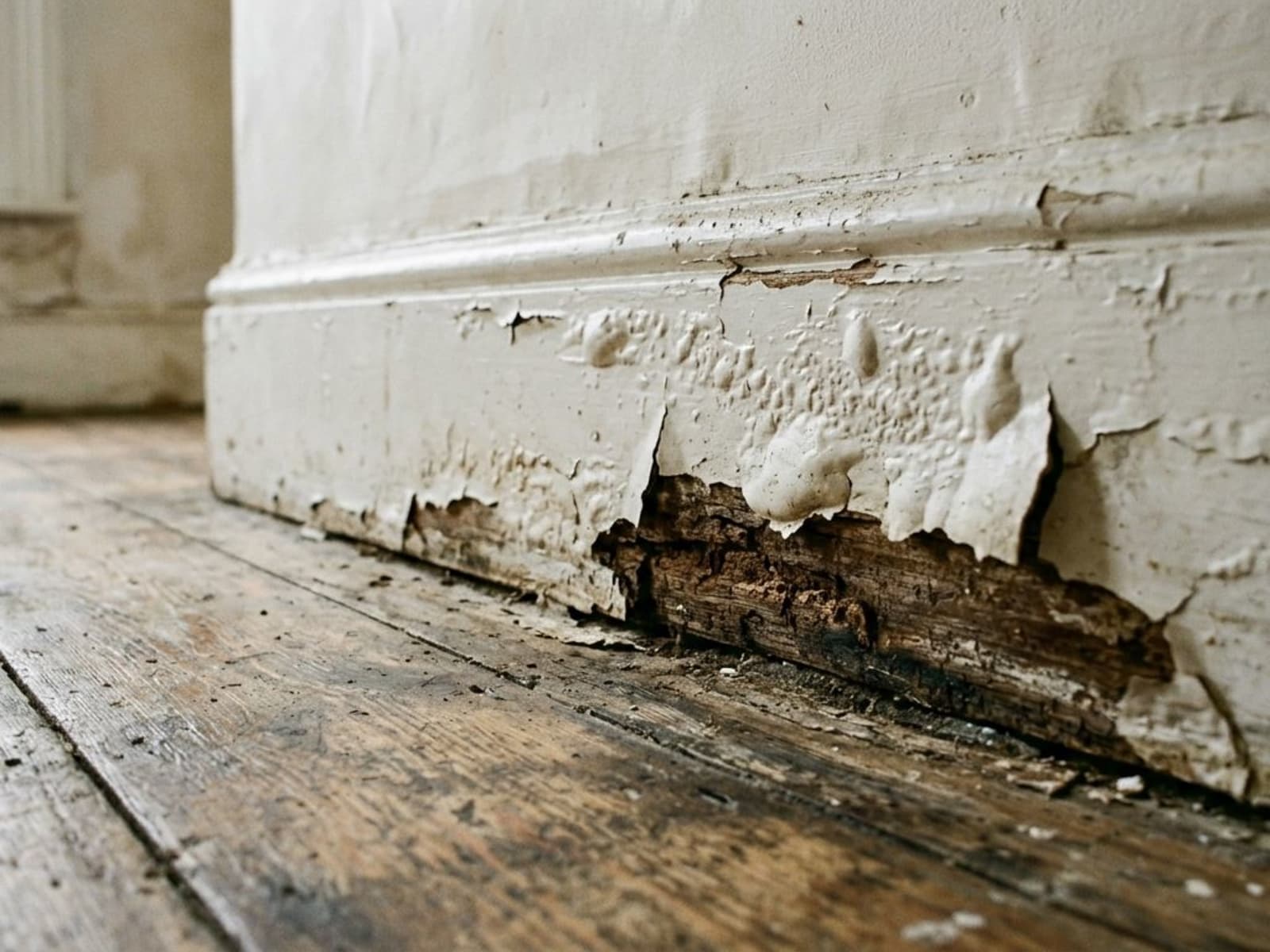
What the standards do change is the condition your interior surfaces are in a year later. Mould on a ceiling and blistering paint at the bottom of a wall are symptoms of exactly the problems these standards exist to fix.
What do the five standards actually require?
All private landlords have had to comply since 1 July 2025.
| Standard | Core requirement | What it means for your walls and ceilings |
|---|---|---|
| Heating | A fixed heater of adequate capacity in the main living room | Cold rooms are where water vapour condenses, so unheated bedrooms grow mould in corners and behind furniture |
| Insulation | Ceiling and underfloor insulation compulsory in all rental homes | An uninsulated ceiling is a cold surface, and cold surfaces are where mould appears first |
| Ventilation | Every habitable room needs openable windows, doors or skylights totalling at least 5% of that room's floor area. Fans installed after 1 July 2019 need a minimum duct diameter of 150mm or 50 litres per second in kitchens, and 120mm or 25 litres per second in bathrooms, venting outdoors | This is the standard that decides whether your bathroom and kitchen ceilings stay painted |
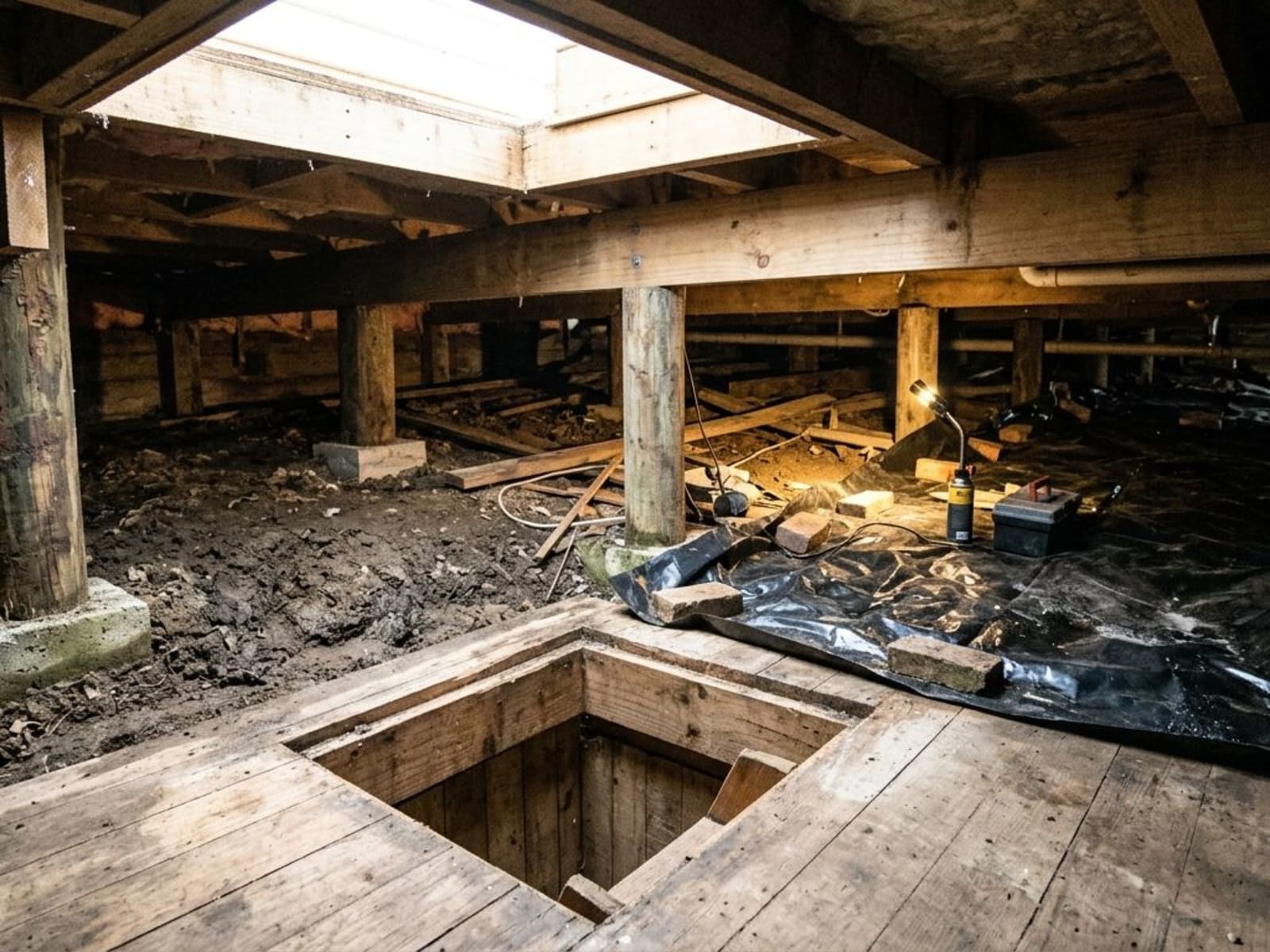
| Moisture ingress and drainage | Efficient drainage including gutters, downpipes and drains with an appropriate outfall, plus a ground moisture barrier where the subfloor is enclosed and installation is possible | A wet subfloor shows up as damp skirtings, blistered paint at the base of walls and a musty smell |
| Draught stopping | Gaps and holes in walls, ceilings, windows, doors and floors blocked, and unused open fireplaces closed off | The work itself cuts into linings and leaves gaps to make good afterwards |
So can a property fail because of the paint?
Not under healthy homes. Two other things do bite, though.
The Residential Tenancies Act requires the property to be maintained in a reasonable state of repair. That is not a decorating standard, but flaking paint over damaged plasterboard, or a wall lining coming apart, is repair rather than decoration.
The Housing Improvement Regulations 1947 are also still in force, and they are more specific about surfaces than most owners realise. They require that the walls and ceilings of every habitable room, bathroom, kitchen, kitchenette, hall and stairway be sheathed, plastered, rendered or otherwise treated and maintained, and that every house be kept in a state of good repair. Since 25 September 2025 the healthy homes standards take priority where the two sets of rules overlap on heating, ventilation and drainage, but the wall and ceiling lining requirement is not one of those overlaps.
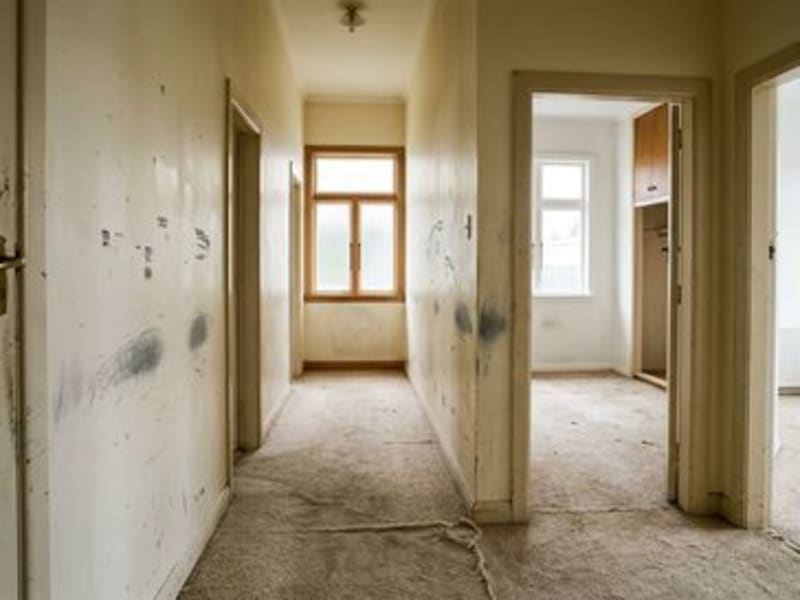
The practical reading is simple. Nobody is going to pull you up for a tired colour scheme. Bare gib, missing linings, holes and paint coming off in sheets are a different category entirely.
Where do surface condition and the standards actually meet?
Four places, going by what we see walking through rentals around the region.
Bathroom and kitchen ceilings. Black spotting around the shower or above the cooktop is a ventilation result. Mould resistant paint on a bathroom with no working extractor buys one season. Fix the fan, then the ceiling.
Bedroom ceilings and external corners. Mould in the corner of an unheated bedroom is a heating and insulation result, not a cleaning failure. The dew point is landing on that surface every night, and no coating changes that.
Skirtings and the bottom of walls. Blistering, staining and a musty smell at floor level usually points under the house. A ground moisture barrier is the fix. Repainting the skirting is not.
Around windows, architraves and floor edges. Draught stopping means sealing and filling, which leaves visible repairs behind it. That is a plastering and stopping job before it is a painting job.
Should you paint before or after the compliance work?
After, every time.
Installing a larger extractor and its ducting means cutting the ceiling. Laying a ground moisture barrier means working under the floor and often cutting a hatch to get there. Fitting a heat pump means a wall penetration and a run of pipework. Draught stopping means filling and sealing around joinery. Every one of those damages the surfaces you have just paid to paint.
The sequence that works is compliance work, then patching and stopping, then paint. If the budget only stretches to two of the three this year, do the compliance work and the patching, and leave the paint until next year. A patched wall in a warm dry house is worth more than a beautifully painted wall in a cold one.
What is different about Wellington rentals?
The housing stock. A large share of the rental market here is pre-1930s weatherboard villas and bungalows, many of them subdivided into flats, with limited insulation and often one heat source for the whole dwelling. Add high winter humidity and interior surfaces that stay cold for months, and condensation mould turns up in properties where the tenants are doing everything right.
The other local factor is age. Homes built in the 1980s or earlier may have lead-based paint under later coats, and a test is the only way to know. That matters as soon as compliance work involves sanding back flaking paint or cutting into old linings, and it is a good reason not to hand that part of the job to whoever is cheapest. Dry sanding old paint in a rental is not a casual task.
What is not worth spending money on?
- A full repaint to help pass a healthy homes assessment. There is nothing to pass. The assessment does not look at paint.
- Mould resistant paint used as a substitute for extraction. It slows the problem down and does not remove it.
- Repainting a ceiling that will be cut into for a fan or ducting in the next twelve months.
- Sealing a room tighter for draught stopping without checking the ventilation is adequate. Tightening a building without ventilating it moves moisture problems around rather than solving them.
Where money is well spent on surfaces in a rental: a washable low sheen on walls in high traffic areas, a proper moisture resistant system in bathrooms, and doing the making good thoroughly after the compliance work so nobody has to come back to it.
If you have healthy homes work booked and want the making good and the interior painting handled properly afterwards, talk to us about sequencing it so you only pay for it once.
Related Articles

Need Help With Your Painting Project?
Wellington Decorators has been transforming homes across the Wellington region since 2023, led by a founder with 18+ years in the trade. As Registered Master Painters, we back every job with a 5-year workmanship guarantee.
Prefer to talk? Call us now 027 458 6465