
An empty house is the cheapest and fastest a repaint will ever be, which is why the gap between tenancies is when most owners think about it. The question worth answering in that gap is not whether you are obliged to repaint. It is whether the paint is failing or just dirty.
Those are two different problems with very different price tags, and most vacancies turn out to be the second one.
Where your obligations sit
Your responsibilities as a landlord sit in your tenancy agreement and in tenancy law, not in anything a painter can tell you. Tenancy Services publishes the general guidance on maintenance, damage and repairs, and if there is a disagreement about who pays for what at the end of a tenancy, that is a question for them, for your property manager or for your lawyer. We can tell you what a wall needs. We cannot tell you who owes for it.
What we can say is that the two questions do not have the same answer. A wall can be scuffed, marked and tired while the coating on it is still doing its job, and a wall can look acceptable in a photo while the surface underneath has given up. Working out which one you have is a practical assessment, and it is the part worth getting right before you spend anything.
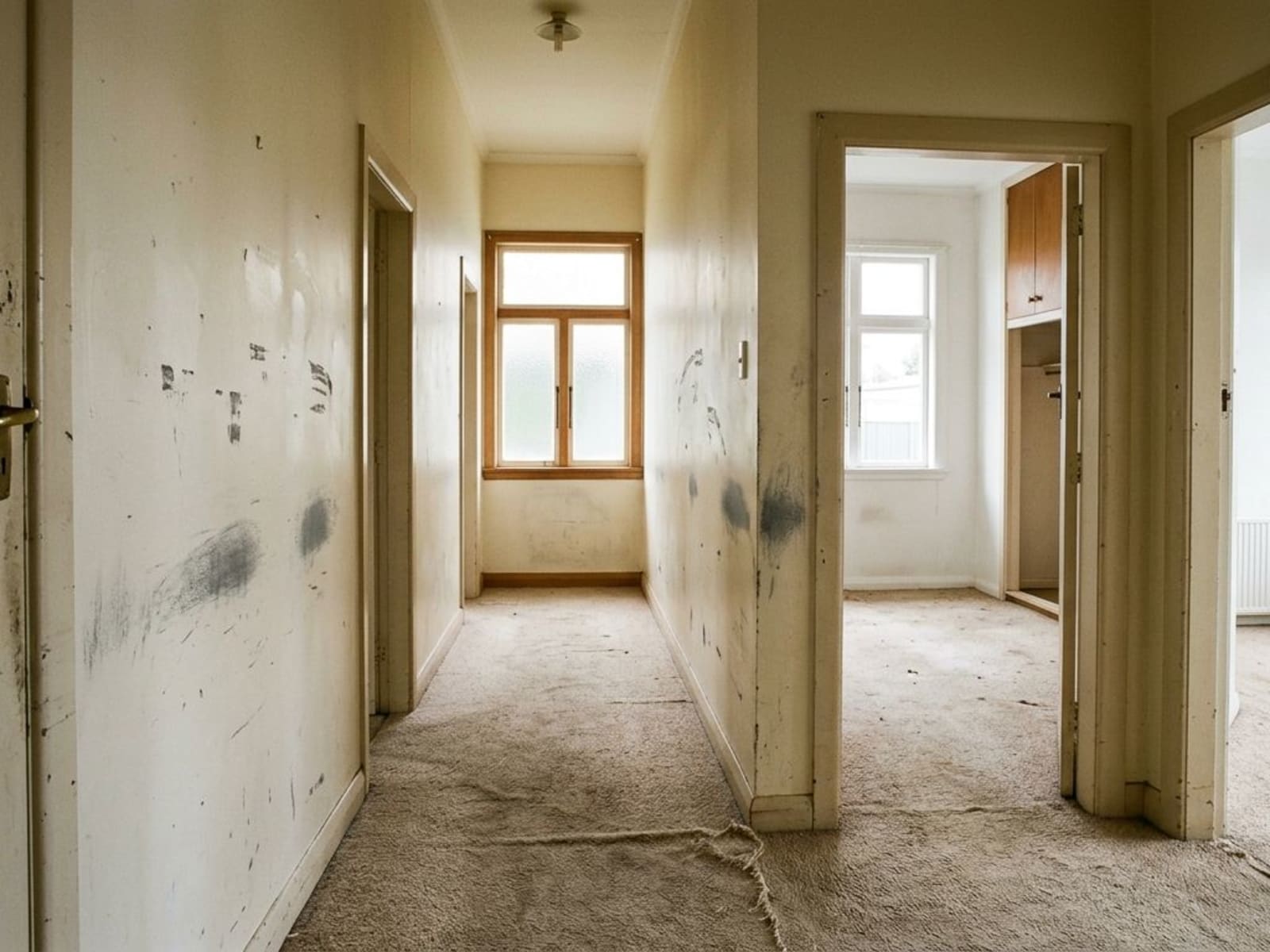
Is the paint dirty, or is it failing?
This is the assessment, and you can do most of it yourself with a cloth and good light.
| Usually a wash or a touch-up | Usually needs that surface repainted |
|---|---|
| Scuff and rub marks along a hallway at hip and shoulder height | Paint that is chalky or powdery, or lifting when you press tape to it |
| Grubby haloes around light switches, door handles and skirtings | Peeling or blistering near a window, a wet area or a past leak |
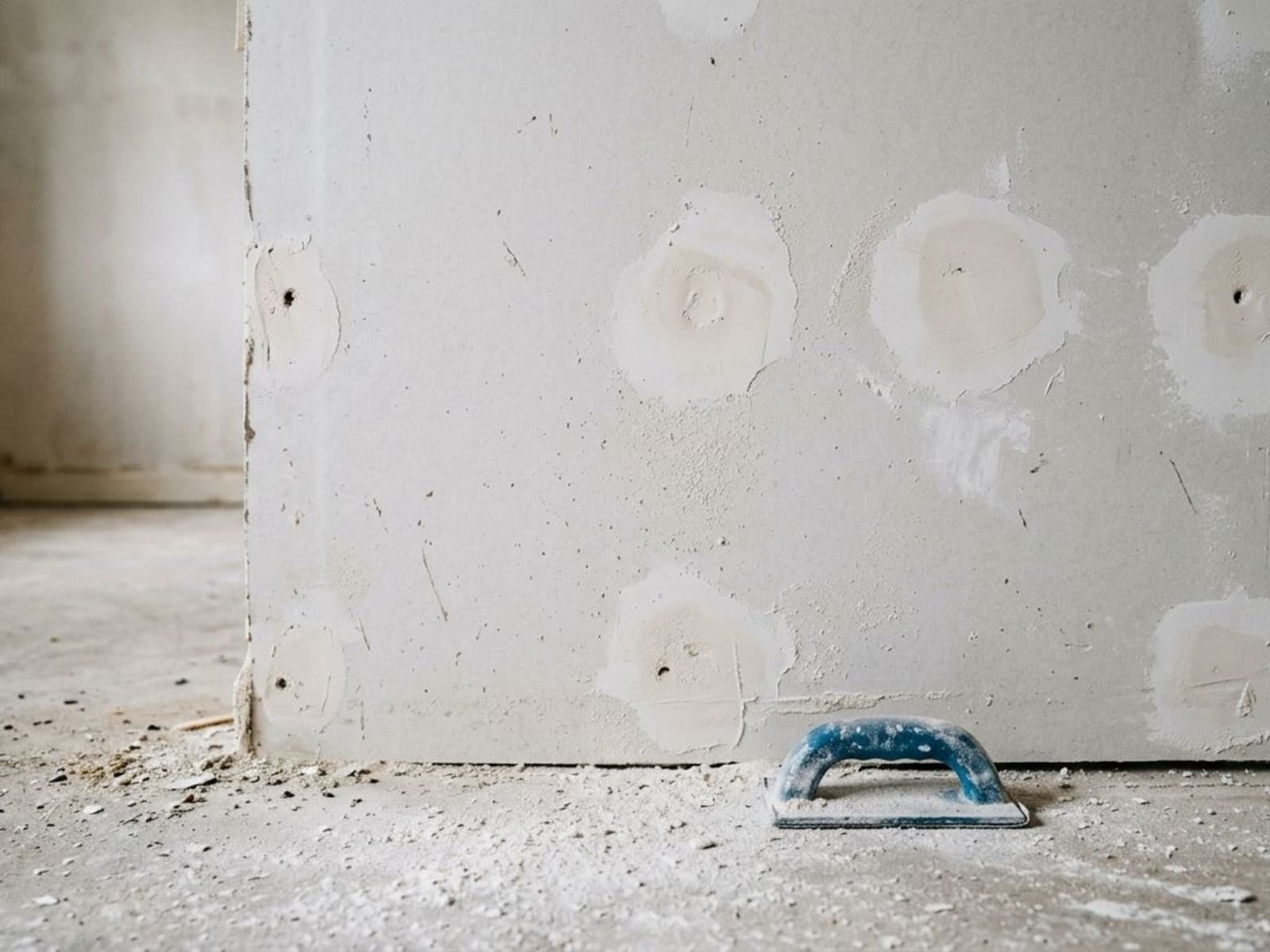
| A handful of picture hook holes and small fixings | Dozens of holes, torn linings where tape or decals came off, damaged plasterboard |
| Marks on a washable low sheen or semi gloss surface | Marks on flat paint, which generally will not clean up without leaving a burnished patch |
| One marked wall in an otherwise sound room | Smoke staining or odour carried through the whole house |
The age of the coating matters more than the marks do. Paint that went on a few years ago cleans and touches up well because you can still match it. Paint that has been on the wall the better part of a decade has faded, and a spot coat on faded paint reads as a patch from across the room.
Is a repaint the right spend, or is there a cheaper fix?
Work through it in this order, because the first two options handle most vacancies.
- Wash it. Sugar soap takes far more off walls than most owners expect, particularly in kitchens and hallways. On a low sheen or semi gloss surface it is close to a reset.
- Patch and touch up. Fill, sand, spot coat. This works when you still have the original paint and the wall was painted in the last few years. It fails visibly once the surrounding paint has faded, so test one patch before committing to the whole house.
- Repaint the high traffic rooms only. Hallway, living room and any bedroom that took a beating. Bedrooms in a tidy tenancy often need nothing.
- Full interior repaint. Worth it when the last one is the better part of a decade back, when you are moving off a dark or dated scheme, when there is smoke odour, or when the surface itself is failing rather than just dirty.
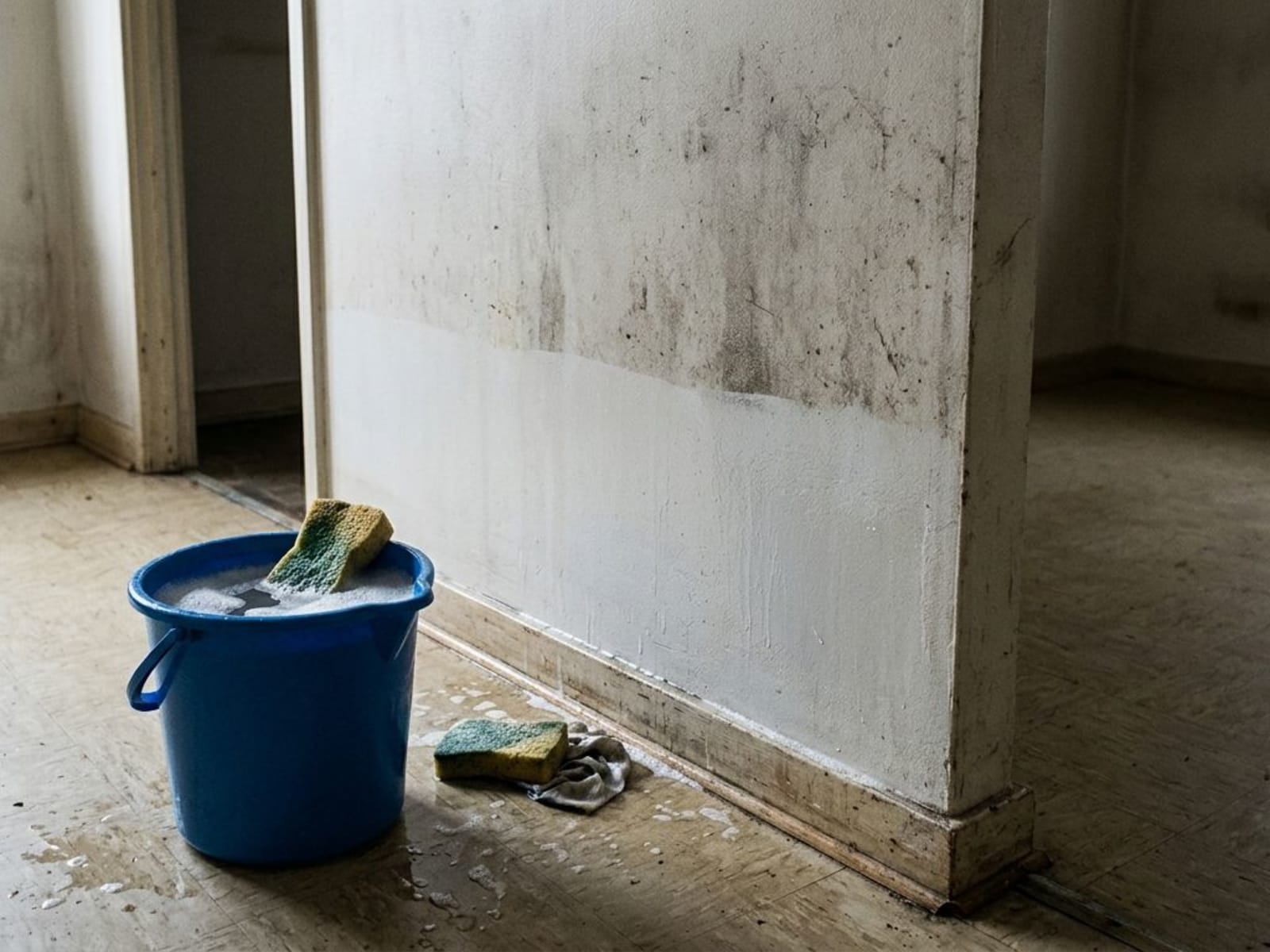
What about mould on the bathroom ceiling?
Mould on a ceiling is a ventilation and heating problem, so painting over it before the fan and the heating are sorted is money spent twice. Why it happens and what to do about it are covered in bubbling bathroom ceiling paint, and there is more on rental interiors in healthy homes and interior condition.
What else is worth doing while the house is empty?
The things that are awkward or disruptive with a tenant in place, and cheap while nobody is living there. Most of them take an hour and save a repaint later.
- Clear the gutters and check that downpipes discharge away from the cladding rather than against it. Most interior damp that gets blamed on paint starts outside.
- Run every extractor fan and range hood, and confirm each one moves air and vents outside rather than into the ceiling space.
- Reseal the shower and the bath edge properly, rather than running new silicone over old.
- Ease and repaint any window or door that has been painted shut, because a window that will not open is a ventilation problem the next tenant cannot fix.
- Note the paint colours, sheens and brands somewhere you will find them, so the next touch-up matches instead of triggering a whole wall.
How do you plan it around a vacancy?
The window between tenancies is usually days rather than weeks, and painters here book out through spring and summer. If you know a tenancy is ending, book early and be honest about the dates, because a repaint squeezed into a three day gap gets done at the speed the calendar allows rather than the speed the job needs.
Some practical constraints:
- Interior work is not weather dependent, but drying times in a cold empty house in July run longer than the tin suggests. Heating and airflow matter.
- Painting labour sits at around $50 an hour in 2026, so the real lever on cost is how many hours of preparation the walls need, not the price of the paint.
- An empty house cuts those hours meaningfully. Moving furniture, masking and working around occupants is a real proportion of an occupied interior repaint.
- If plasterboard needs patching from knocks or fixings, allow drying time for the stopping compound, and allow more of it in winter.
What should you not do?
- Do not repaint on a schedule. Repaint when the surface is failing, or when it will demonstrably help the property let.
- Do not buy cheap flat paint for rental walls to save money. Flat paint marks permanently and cannot be washed, which guarantees the next repaint arrives sooner. A washable low sheen is the right spend.
- Do not assume the condition of a wall settles who pays for it. That is a tenancy question, decided somewhere other than a painter's quote, so take it to Tenancy Services or your property manager rather than to us.
- Do not paint over a leak, a moisture problem or unrepaired plasterboard damage. It does not hold, and the problem comes back through the new coat within a season.
One last item, and it belongs to your accountant rather than to us. How a repaint is treated for tax depends on the work and on your circumstances, so ask them before you assume it either way, and ask your painter to describe the work properly on the invoice so your accountant has something accurate to read.

If you have a vacancy coming up and want a straight assessment of whether it needs a repaint or just a wash, get in touch and we will look at it before it goes back on the market.
Related Articles


Need Help With Your Painting Project?
Wellington Decorators has been transforming homes across the Wellington region since 2023, led by a founder with 18+ years in the trade. As Registered Master Painters, we back every job with a 5-year workmanship guarantee.
Prefer to talk? Call us now 027 458 6465