
Landlords ask this at quoting stage: is repainting the rental maintenance, or is it an improvement? We cannot answer that one. Whether the spend is deductible, and in which year, is a tax question that depends on your circumstances, and it belongs to your accountant.
What a painter can settle is the question underneath it. What did the work actually do to the building? Making good a surface that was already painted is a different job from painting something that was never painted, or coating new linings inside a renovation. Those differences are visible on site, they can be photographed, and they can be written on an invoice clearly enough for someone else to split. Getting that record right before the job starts costs nothing. Reconstructing it from memory eighteen months later is painful and usually incomplete.
Making good, and going further
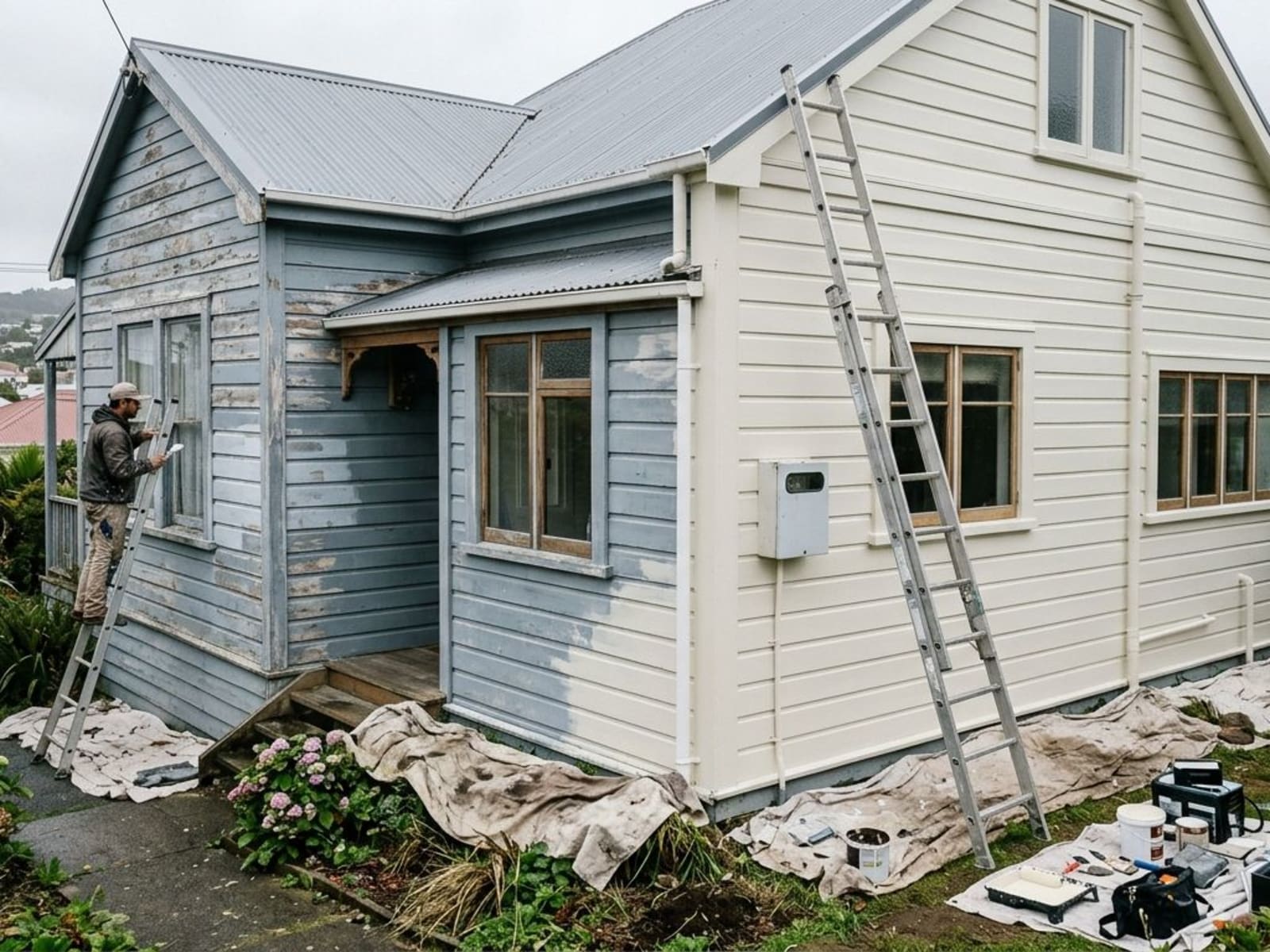
Making good means returning a coated surface to the condition it was in while the coating was still sound. On an older Wellington weatherboard house that normally reads: wash down, scrape back the failed areas, treat and prime bare timber, fill and sand, spot-prime rusted fixings, then two coats of a system doing the same job as the one that is there. Afterwards the house sheds weather the way it did before it started to fail. Nothing about it does a new job.
Going further means the building ends up with a surface it did not have, or a capability it did not have. Painting a garage that was raw block. Coating new cladding or a new extension. Painting rooms that have just been re-lined. A paint line that only exists because building work is happening around it.
| Making good | Going further |
|---|---|
| Washing, scraping, filling and recoating interior walls and ceilings that were already painted, in a similar finish | Painting linings, cladding or joinery that have just been installed |
| Recoating existing painted weatherboards, fascia and joinery after the previous coating has chalked or flaked | Painting a surface that has never been coated, such as bare block or an unpainted outbuilding |
| Patching and repainting a bathroom ceiling after a failed extractor fan is replaced | Repainting a room as one line inside a wider renovation that also relines, rewires or extends it |
| Touch-ups and making good between tenancies | A change of coating system chosen to do something the old one did not, such as coating over previously unsealed masonry |
Neither column is about how much you spent. A full exterior repaint of a weathered old house is still making good, and a small paint line inside a renovation contract can still be part of the building work. The size of the invoice tells you nothing about which column the job sits in.
What to photograph before anyone starts
Photographs are the cheapest evidence you will ever collect, and they are worth more than any description written afterwards.
- Every elevation, wide, before wash-down. Four or five frames per side, taken on a day you can see the surface properly.
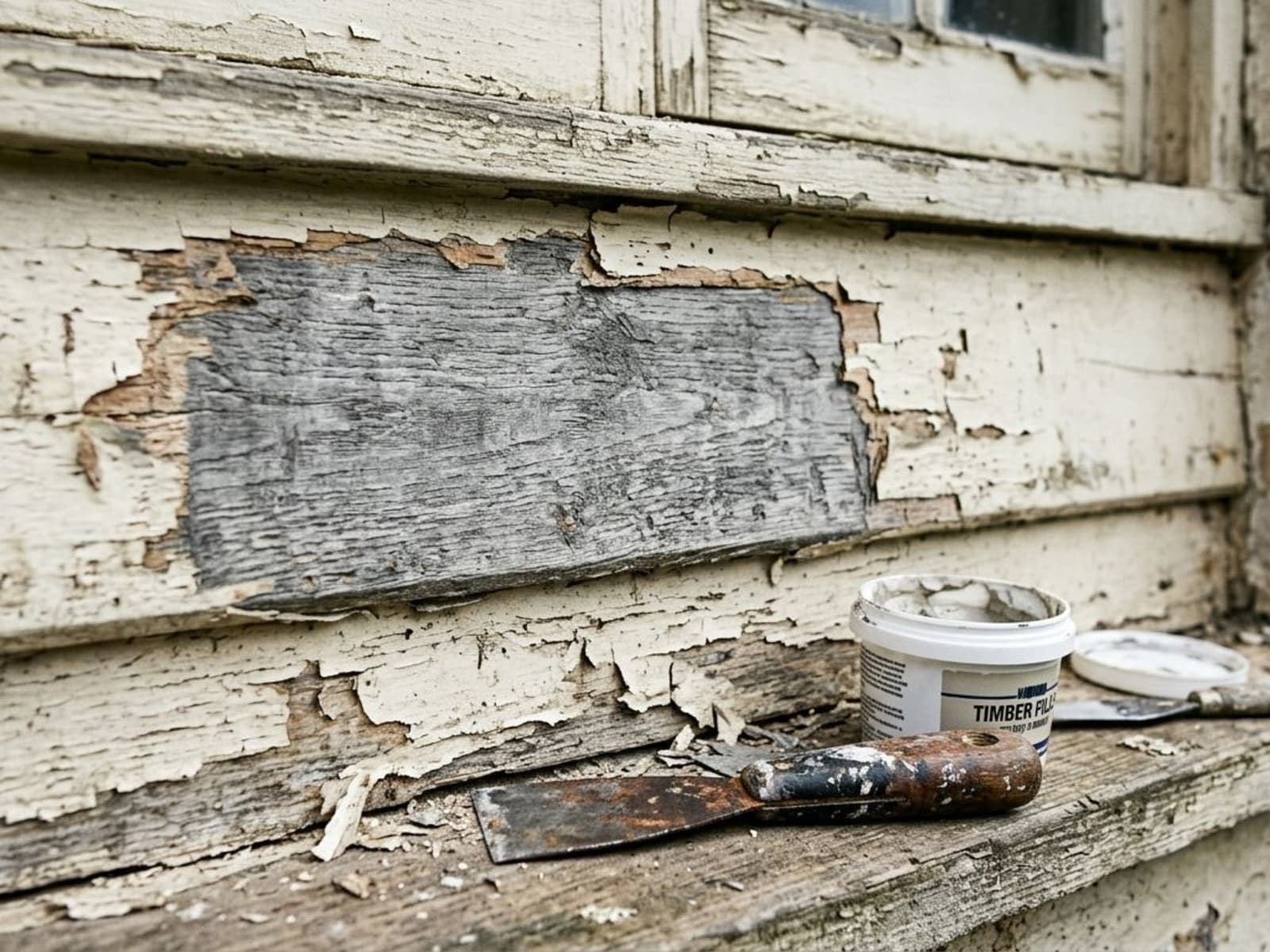
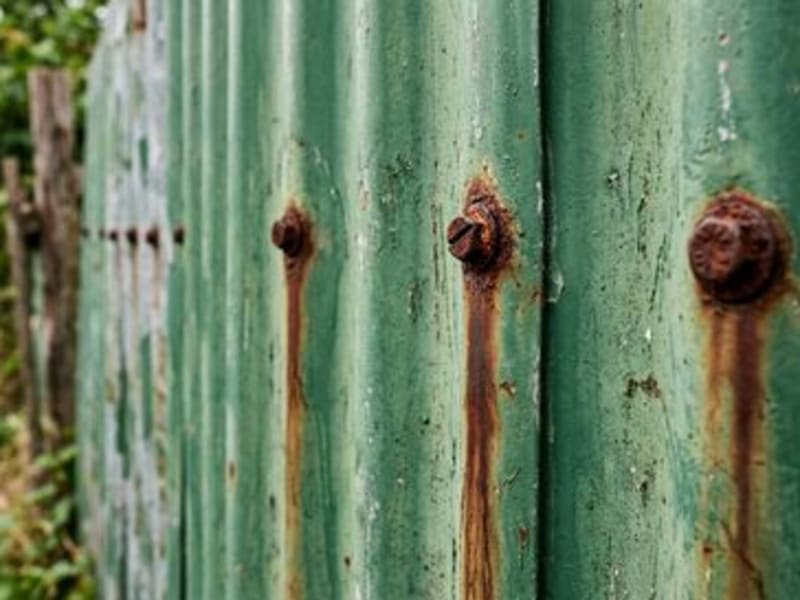
- The failure itself, close up. Chalking, flaking, cracked coating, bare grey timber, rust bleeding out of fixings, split putty. These are the frames that show the work restored something.
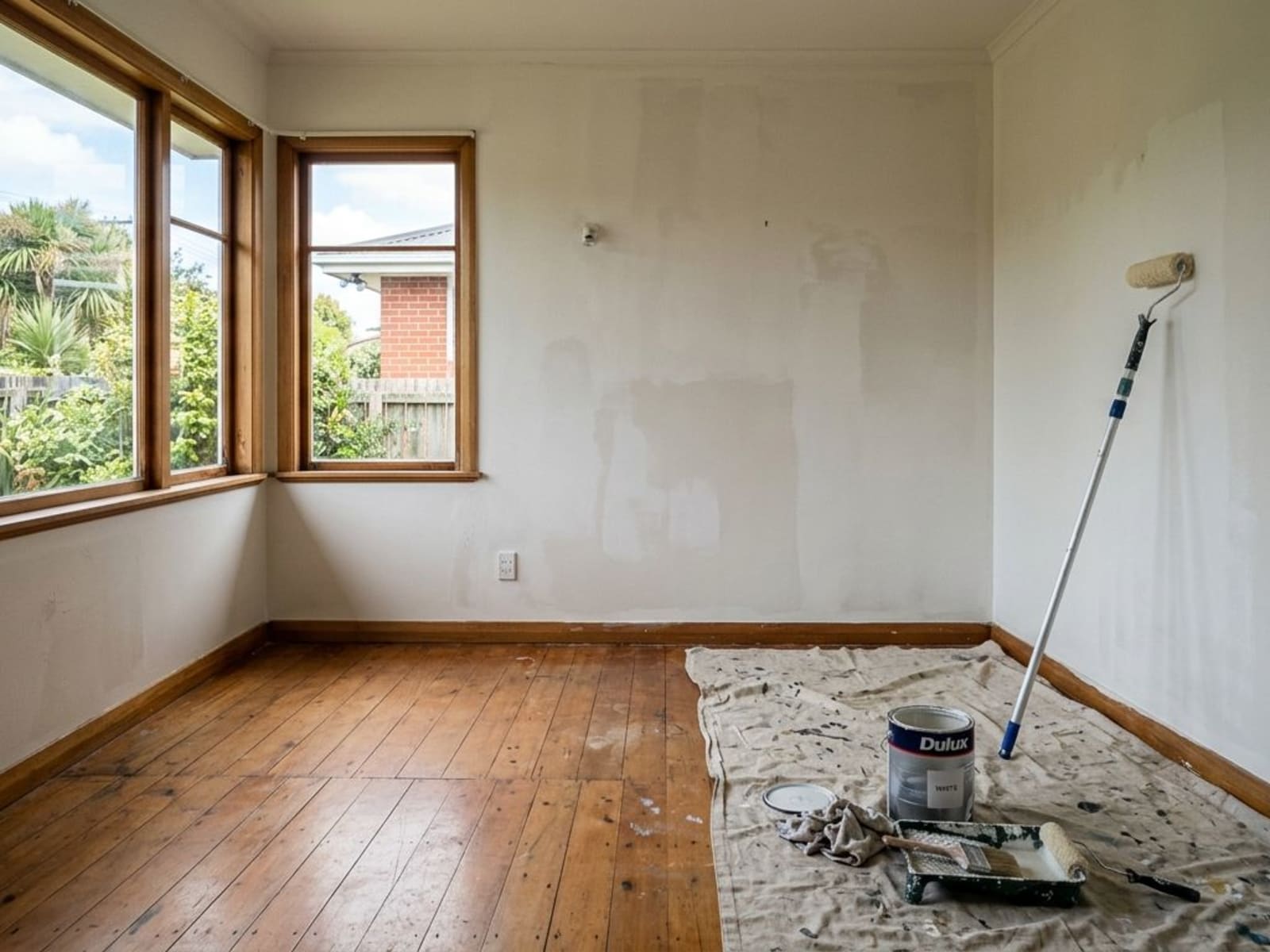
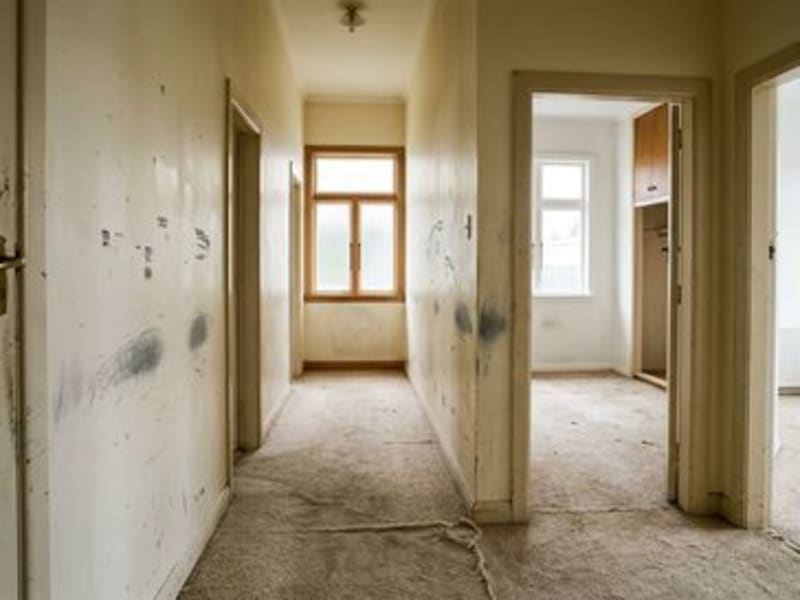
- Interiors room by room. Scuffs, marks, patched areas, ceiling staining, anything that explains why the room needed recoating.
- The same views again at completion. A matched pair of before and after images is far easier for a third party to read than either one alone.
- Dates you can prove. Camera timestamps are fine. Keep the originals rather than screenshots or messages, and keep them somewhere that is not only your phone.
How to ask for the invoice to be split
Ask at quoting stage, not after the work is done. A painter can itemise almost any way you want while the quote is being written, and it is awkward to restructure a bill afterwards.
- Preparation separate from coating. Wash-down, scraping, filling, sealing bare timber and treating fixings listed on their own lines, with hours or a value against them.
- Existing surfaces separate from new ones. If any part of the job involves new cladding, new linings or a previously unpainted surface, that belongs on its own line and ideally its own invoice.
- Separate jobs, separate paperwork. Recladding one elevation while recoating the other three is two jobs. It should look like two jobs on paper.
- Plain description of the surface condition. A line reading "wash down, scrape failed coating, prime bare timber, two coats to existing painted weatherboards" carries information. A line reading "exterior painting" carries none.
- Dates of the work, not just the invoice date. Start and finish dates on the document save arguments about which period the work fell in.
If you have just bought the place
The first repaint after a purchase is the one where records matter most, because the condition of the house when you bought it is the part nobody can reconstruct later. Keep the listing photographs, the pre-purchase building report and your own dated photographs from the day you took possession. Note when the property first earned rent. If your accountant asks what state the house was in at settlement and when it started being rented, you want to answer with evidence rather than memory.
Where the hours actually go
It helps to know how a repaint is actually built, because it explains why the itemisation matters. Preparation dominates. On an older house here, the south and west elevations weather noticeably faster than the sheltered sides, so scraping, filling, sealing bare timber and treating rusted fixings can be the bulk of the job on those walls while the north side needs a wash and two coats. An invoice that lumps all of it into one number hides the single most informative thing about the work.
A Wellington exterior repaint sits in the $6,000 to $20,000 and up band in 2026, with condition and access driving most of that spread. At that size, an hour spent on the paperwork before the job starts is cheap.
Two things not to do
Do not defer necessary maintenance while you work out the paperwork. Leaving an exterior repaint past the point where the coating has failed means water into the boards, rot in the worst-exposed elevations and a far larger bill later. No accounting treatment offsets that.
Do not have work described on an invoice as something it was not. The document should say what was actually done, in the words the painter would use standing in front of the house. If the description and the photographs disagree, the paperwork is worse than useless.
If you own a rental in this region and want a quote written clearly enough for someone else to work from, our exterior painting and interior painting quotes itemise preparation separately from coating, with the surface condition described line by line. Ask for one.
Related Articles

Need Help With Your Painting Project?
Wellington Decorators has been transforming homes across the Wellington region since 2023, led by a founder with 18+ years in the trade. As Registered Master Painters, we back every job with a 5-year workmanship guarantee.
Prefer to talk? Call us now 027 458 6465