
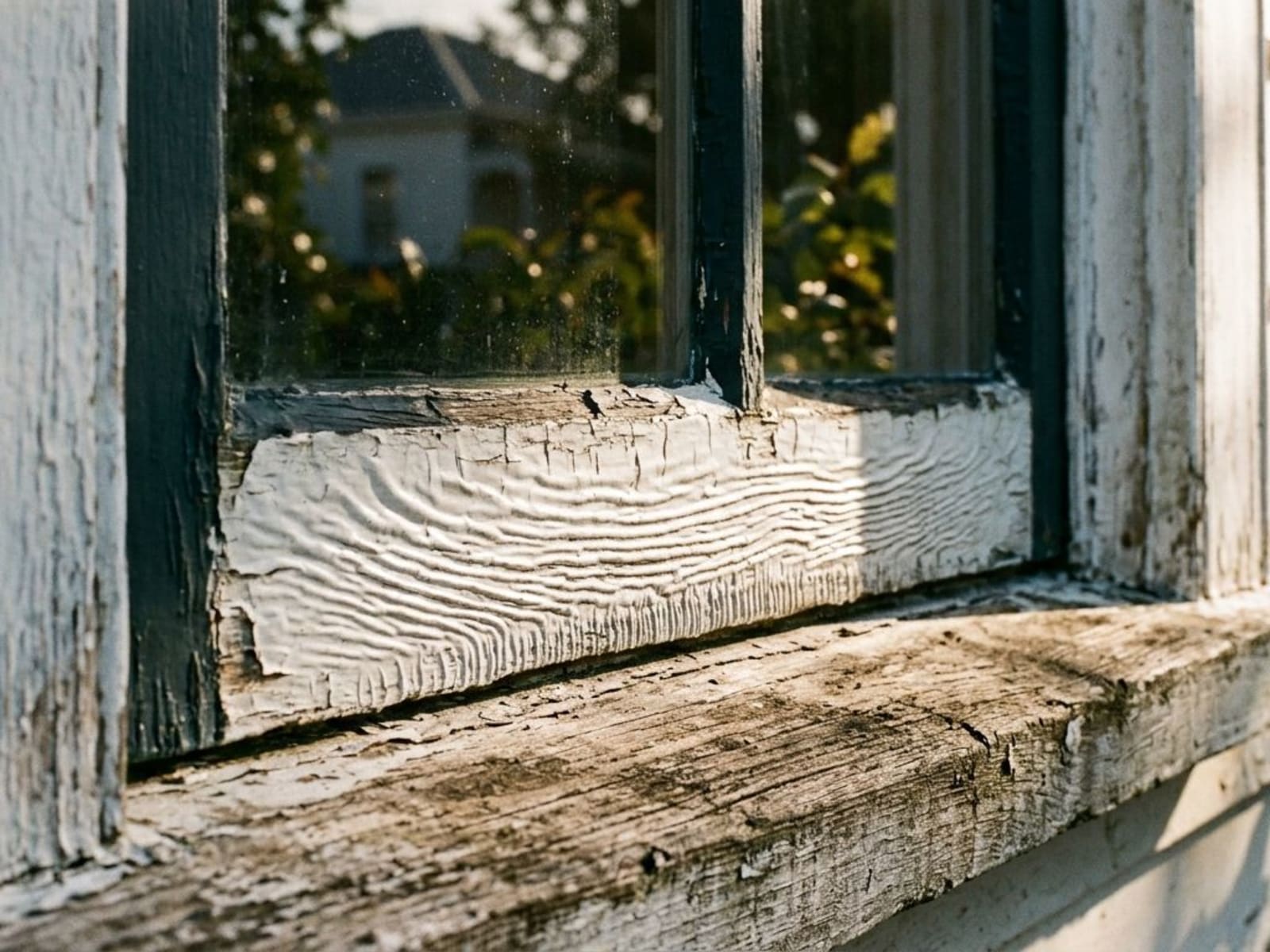
Paint wrinkles when the surface of the coat skins over while the paint underneath is still soft, so the skin puckers as the layer below moves and shrinks. The usual triggers are a coat applied too thickly, painting in heat or onto a hot surface, damp or humid air hitting uncured paint, and recoating before the previous coat has dried.
The fix is the same whatever the cause: let it harden, sand or scrape the wrinkles off, and repaint in thinner coats in better conditions. Wrinkles do not relax back out on their own.
What exactly is happening in the paint?
Dulux's professional problem solver describes wrinkling as a rough, crinkled paint surface that occurs when paint forms a "skin". Paint dries from the top down. In a thin coat under mild conditions, the whole thickness firms up close enough together that it stays flat. When the top dries much faster than the bottom, you get a firm skin sitting on a soft, still-moving layer. As the soft layer underneath shrinks while it dries, the skin has nowhere to go but into ridges.
That is why wrinkling is really a drying-rate problem. Anything that dries the top quickly, or keeps the bottom wet for longer, pushes paint towards it. We explain the difference between the two stages in drying time versus curing time.
What causes it?
The causes in the first column are the ones Dulux's problem solver lists for exterior wrinkling. The other two columns are our notes from the trade.
| Cause | Where you typically see it | How to avoid it |
|---|---|---|
| Paint applied too thickly | Heavy spots, drips, bottom edges, internal corners, mouldings | Apply at the spread rate on the data sheet; two normal coats, not one heavy one |
| Painting a hot surface or in very hot weather | Sunny elevations, dark surfaces, metal | Follow the shade around the house; avoid surfaces hot to the touch |
| Rain, dew, fog or high humidity on uncured paint | Late-afternoon work that caught the evening damp | Finish early enough to dry before dew; watch the forecast |
| Topcoat over a first coat that had not dried | Whole areas, often where a job was rushed | Respect the recoat time and extend it in cool, damp weather |
| Painting over a contaminated surface, such as dirt or wax | Patches, often on cleaned or polished surfaces | Wash and degrease properly before painting |
Dulux notes that thick application is more likely to cause wrinkling with solvent-based paints. That lines up with where painters most often see it: heavy oil-based enamel on doors and windows, particularly where it has run and gathered along a bottom rail.
Why is thick paint the most common culprit?
Because it is so tempting. Loading the brush or roller to get coverage in one coat feels efficient, and on a dark colour or a patchy surface it can look like it is working. The thicker the film, the bigger the gap between the drying rate at the top and at the bottom, and the more room there is for a skin to form over wet paint.
Dulux's prevention advice is to apply paint at the manufacturer's recommended spread rate, adding that two coats at the recommended spread rate are better than one thick coat. The spread rate is printed on the data sheet for every product, and it is the easiest way to know if you are putting too much on. We explain why two coats matter in what two coats actually means.
Does weather really make that much difference?
Yes, in both directions.
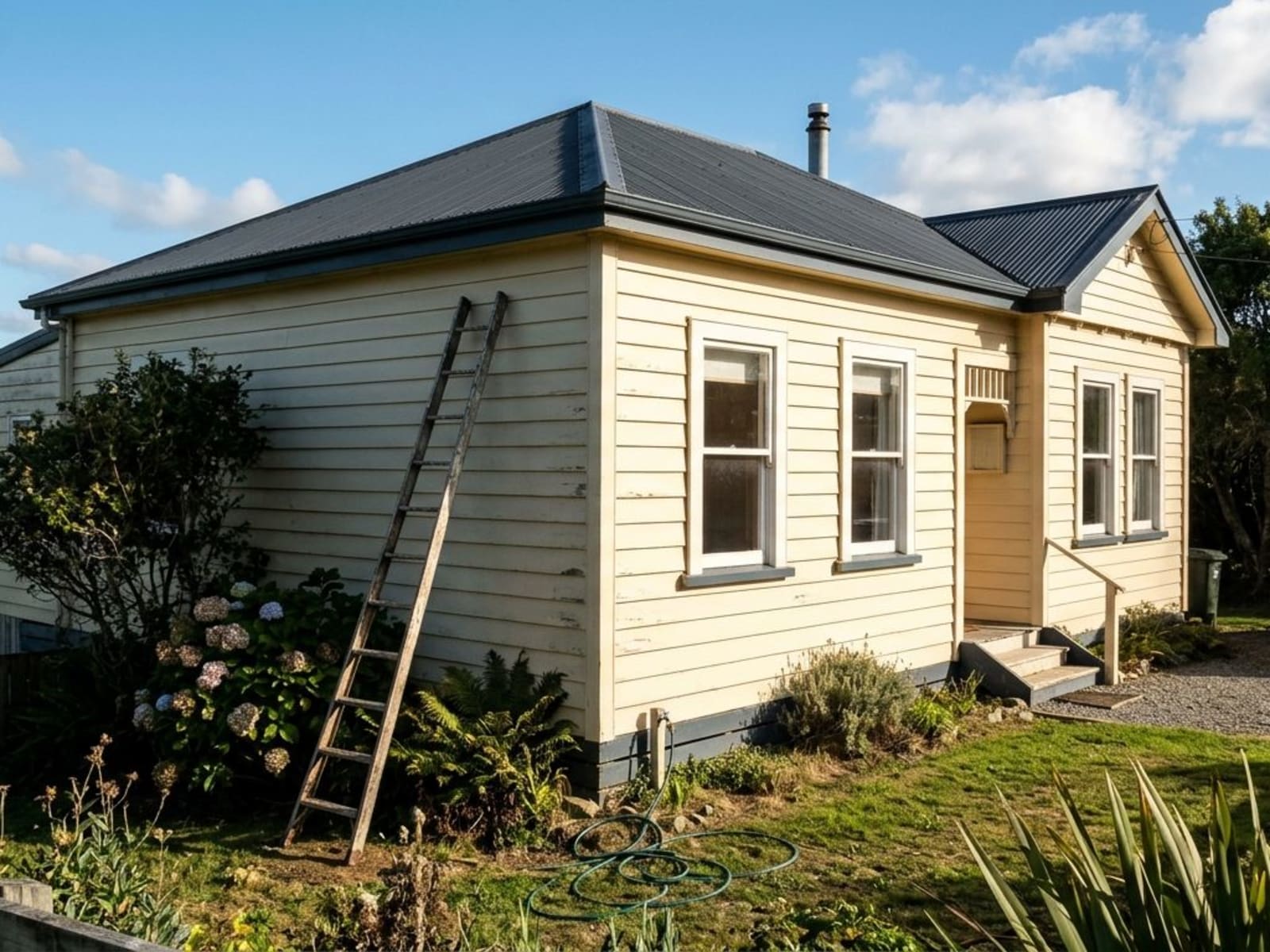
Heat speeds up the surface. A weatherboard wall in full afternoon sun, or a dark steel door, can be hot enough to skin paint almost as it goes on. The practical answer on exteriors is to work around the house with the shade rather than painting into the sun.
Cold and damp slow the underneath. Dulux's advice is to allow extra time for paint to dry completely when painting in extremely humid, cool or damp weather. In a Wellington autumn, paint that goes on in the afternoon can meet dew or sea fog before it has dried, which is one of the listed causes. Finish exterior coats early enough in the day that they have a proper drying window before evening.
Inside, the same logic applies to a cold room: the recoat time on the tin assumes reasonable conditions, and a cold, damp room needs more.
How do you fix wrinkled paint?
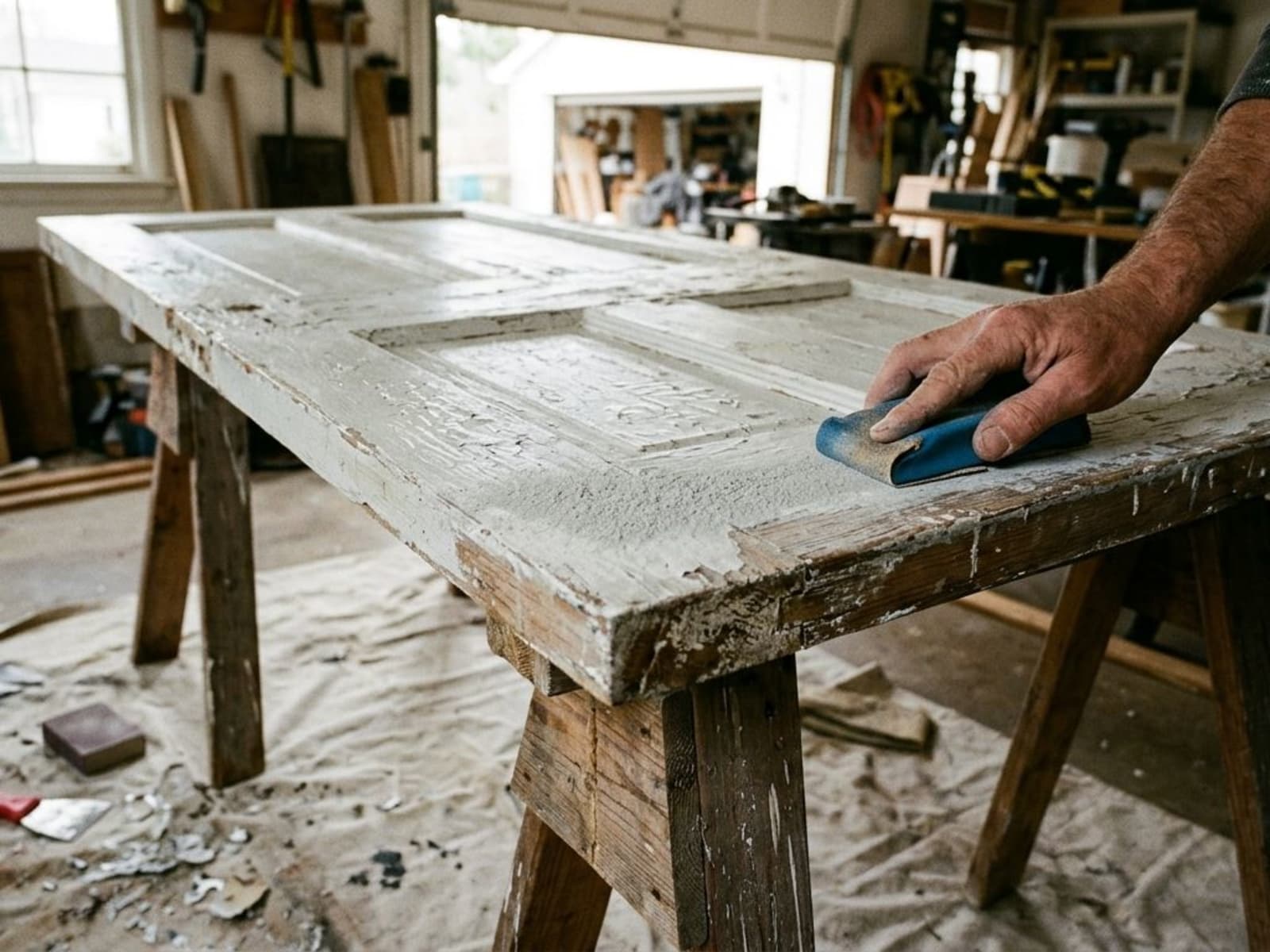
Dulux's solution is to scrape or sand to remove the wrinkled coating, then repaint by applying an even coat, making sure the first coat or primer is dry before the topcoat goes on.
- Let it harden first. Sanding soft wrinkled paint just smears and clogs the paper. Give it time, especially if the film is thick.
- Remove the wrinkles. Scrape or sand them flat. If the wrinkling is widespread or deep, stripping that coat back is often quicker than sanding.
- Feather the edges so the repaired patch does not show as a step.
- Clean off the dust, and wash the surface if contamination was part of the cause.
- Repaint in thin, even coats, at the data sheet spread rate, with the full recoat time between them.
If you are sanding back through older layers on a house, remember that Health NZ advises presuming a building built in the 1980s or earlier has been painted with lead-based paint. Have it tested before you sand or strip beyond the new coat.
Can you just paint over the wrinkles?
No. A new coat follows the ridges exactly, so the texture shows straight through, and you are now building on a film that may still be soft underneath. It will look worse, not better. The only time you can leave it is a very small, fully hardened patch in an out-of-sight spot, lightly sanded so the ridges are no longer sharp.
Is it a paint fault?
Rarely. Every cause on the list above is about application or conditions, not the product itself. That is worth knowing before you take a tin back to the shop.
If the wrinkling is on a large area, such as a whole elevation or a set of windows, it is usually quicker to have it repaired properly than to chase it bit by bit. Get in touch for a quote and we will tell you whether it needs sanding, stripping or a lighter touch.
Related Articles

Need Help With Your Painting Project?
Wellington Decorators has been transforming homes across the Wellington region since 2023, led by a founder with 18+ years in the trade. As Registered Master Painters, we back every job with a 5-year workmanship guarantee.
Prefer to talk? Call us now 027 458 6465