
Yes, uPVC windows and doors can be painted, as long as the surface is thoroughly cleaned, the paint is a waterborne system suited to plastics, and the colour is light. Before any of that, ask the window or door maker whether painting will affect the warranty, because on newer joinery that question often decides whether painting is worth it at all.
Plastic is one of the harder surfaces to paint well. It can be done. It just leaves less margin for shortcuts than timber does.
What question should you ask before anything else?
Find the warranty and maintenance documents that came with the joinery, or contact the manufacturer or installer, and ask directly whether painting the frames affects the warranty on the frames, the finish or the hardware. Ask it in writing if you can, and get the answer in writing.
A warranty on a factory finish may not extend to paint someone else has applied over it. If yours is still covered and the frames are sound, the cheapest answer may be to clean them and leave them alone. If the warranty has run out, or the frames are yellowed, chalky or a colour you cannot live with, painting becomes a real option. What that means for any claim you might make later is a question for the manufacturer, and anything beyond that is for your lawyer or insurer rather than a painter.
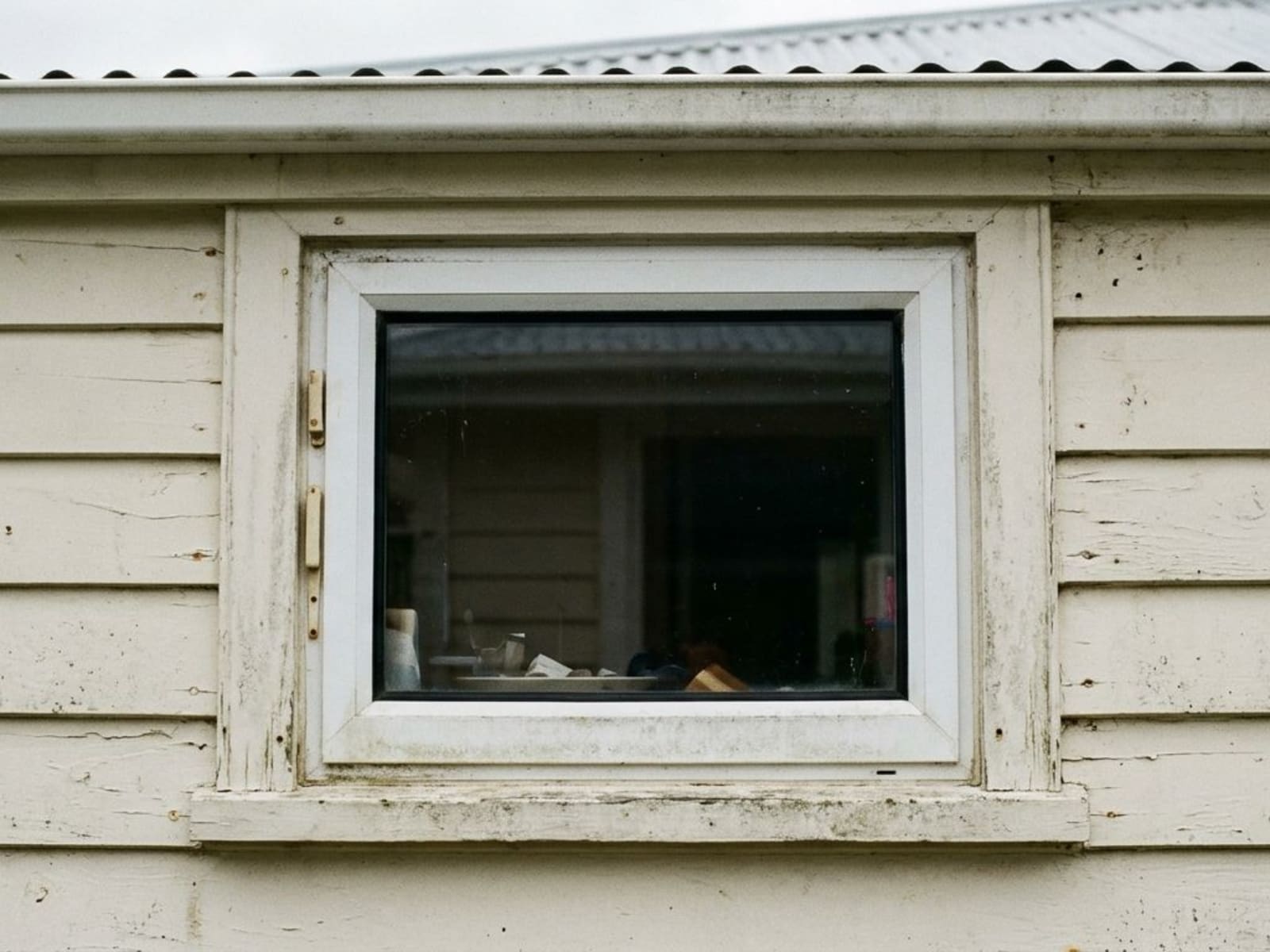
Why is plastic harder to paint than timber?
Three reasons: it is smooth and slick, it moves a lot with temperature, and some paints attack it.
Resene's guidance on substrates describes building plastics such as uPVC as thermoplastic materials that are sensitive to solvents and may soften under the influence of heat, and says they can be overcoated directly with good quality, adhesion-promoted waterborne finishes. Its surface preparation data sheet for PVC guttering, downpipes and cladding adds that PVC is prone to movement, shrinkage and expansion, and that solvent-based paints should be avoided because they can damage it.
So the paint has to grip a surface with very little tooth, stay flexible enough to move with a frame that expands and contracts through the day, and not soften the plastic underneath. That rules out a lot of what is on the shelf, including the solventborne enamels many people reach for on window frames.
Why does colour matter so much on uPVC?
Because dark colours absorb heat, and heat is what makes the plastic move. Resene's substrate guidance says dark colours should not be used on building plastics, to avoid warping. Its PVC data sheet strongly recommends pale colours and warns that dark colours in exposed areas may result in extension, shrinkage or warping of the PVC. Where a darker colour is chosen on PVC, it says Resene's CoolColour technology should be specified if available.
On a window or door that matters more than on a length of spouting, because a frame that warps can stop the sash or door sealing and closing properly. A white frame repainted charcoal to match a modern colour scheme is exactly the change that causes trouble. If a dark scheme is the goal, talk to the manufacturer about factory-coloured frames rather than painting white ones dark. Our article on dark colours and heat explains why dark finishes run so much hotter.
| Choice | On uPVC frames |
|---|---|
| Waterborne, adhesion-promoted system | The type Resene specifies for plastics |
| Solvent-based enamel | Avoid, it can damage PVC |
| Pale and light colours | Recommended, least heat and movement |
| Dark colours | Avoid, risk of warping; heat-reflective tints if a darker colour is unavoidable |
What does the process involve?
Most of the work is preparation. Paint on uPVC fails because of what was left on the surface, far more often than because of the paint.
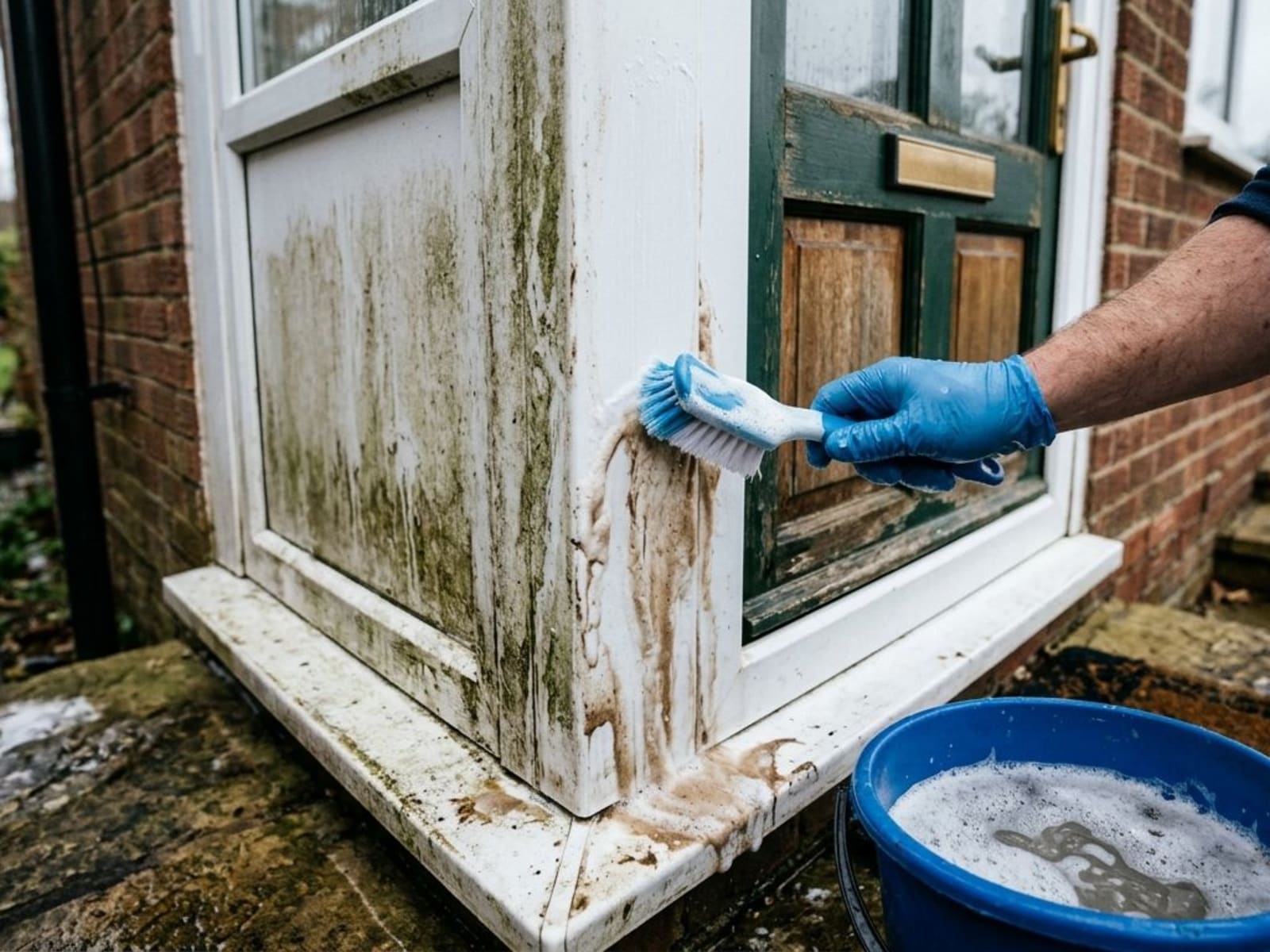
- Clean thoroughly. Resene's PVC data sheet notes that new PVC typically carries form oils, dirt and grease from fixing, and other contaminants that need removing before painting. Older frames add chalking, grime and mould. Scrub with a house wash made for painting preparation, rinse, and let it dry.
- Treat mould. Frames on shaded or damp elevations often carry mould in the corners and along the seals. Treat it before painting, not after.
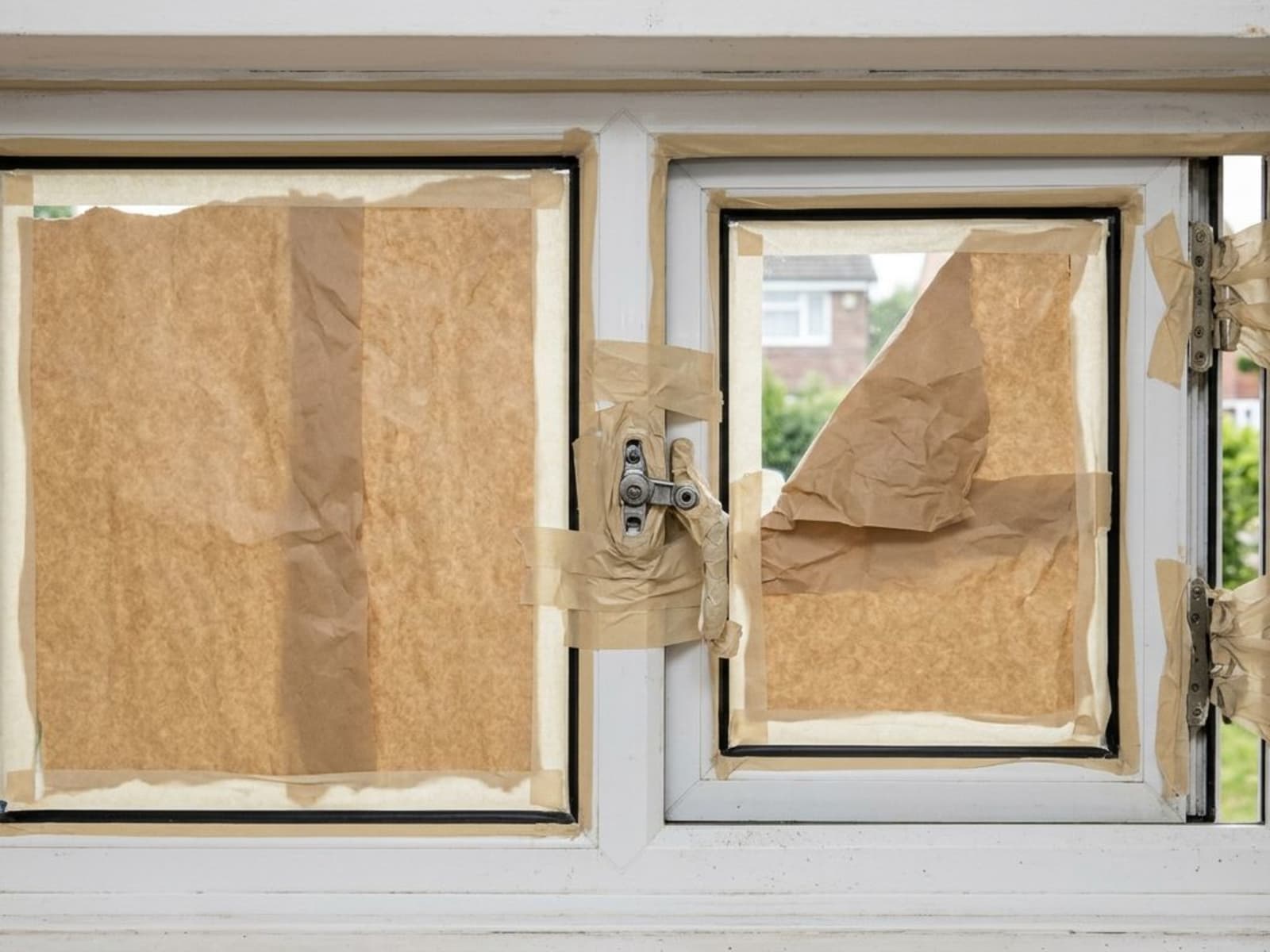
- Mask everything that moves or seals. Rubber gaskets, brush seals, hinges, handles, locks, drainage slots and the glass. Paint on a gasket stiffens it, and paint in a drainage slot traps water in the sill.
- Apply the system on the data sheet. Use the paint, and any primer, that the manufacturer's data sheet lists for uPVC, in thin even coats.
- Leave opening sashes ajar while it cures. Fresh paint on a frame that closes onto a seal can stick, and the seal can take paint off when it is opened.
What should never be painted?
The rubber seals and gaskets, the hardware, the drainage slots, and any sliding track or running surface. These are the parts that keep weather out and let the window work, and paint on them causes failures that are far more expensive than the painting job. A careful painter spends as long masking a set of uPVC windows as painting them.
How long will painted uPVC last?
It will not match a factory finish for life, and it is fair to plan on repainting on a normal repaint cycle rather than expecting the frames to be maintenance-free again. How long that is depends on the paint, the colour and how exposed the frames are. Check the manufacturer's data sheet for the product you use rather than relying on a general figure.
The trade-off is the same one we describe for painting aluminium joinery: paint can make tired frames look right and match a new colour scheme, but it turns a low-maintenance factory finish into a painted surface that needs looking after.
Should you do it yourself?
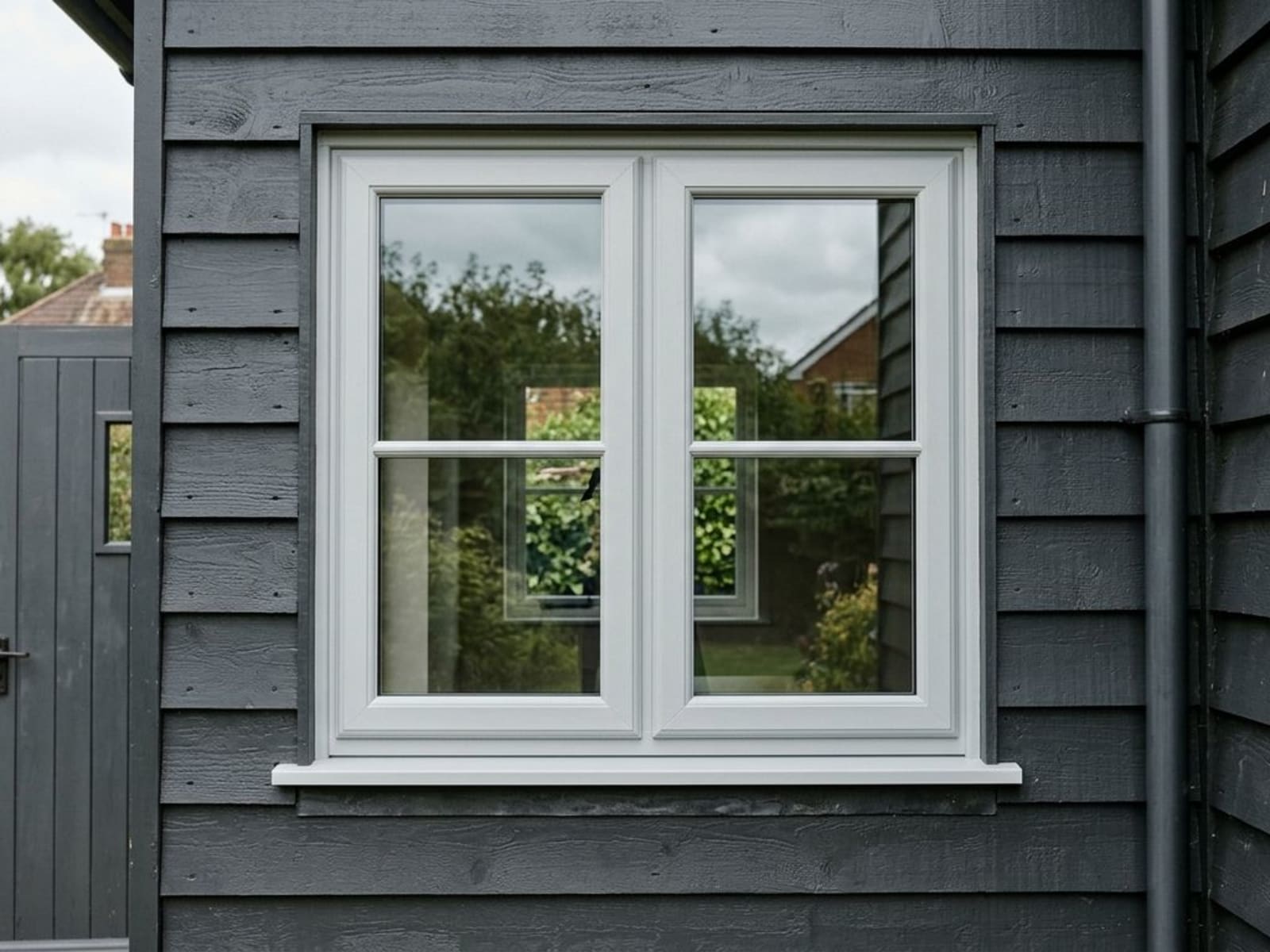
A single back door in a pale colour is a reasonable DIY job if you follow the data sheet and mask carefully. A full set of windows, especially on upper storeys, is where the masking time and access add up. We paint joinery as part of exterior repaints, and we will tell you if the frames are better left alone. Get in touch and bring the warranty answer with you.
Related Articles


Need Help With Your Painting Project?
Wellington Decorators has been transforming homes across the Wellington region since 2023, led by a founder with 18+ years in the trade. As Registered Master Painters, we back every job with a 5-year workmanship guarantee.
Prefer to talk? Call us now 027 458 6465